

Free Helpline
We are here to assist you.
Health Advisor
+91-8877772277Available 7 days a week
10:00 AM – 6:00 PM to support you with urgent concerns and guide you toward the right care.

We are here to assist you.
Health Advisor
+91-8877772277Available 7 days a week
10:00 AM – 6:00 PM to support you with urgent concerns and guide you toward the right care.
Learn about pediatric scoliosis, its types, symptoms, diagnosis, and treatment options like observation, bracing, and surgery. A guide for parents in India.

What is Pediatric Scoliosis? Pediatric scoliosis refers to an abnormal sideways curvature of the spine that develops in children and adolescents, typically before the age of 18. While a perfectly straight spine is rare, scoliosis is diagnosed when the spine curves more than 10 degrees to the side. This condition is relatively common, affecting about 1-3% of children between the ages of 10 and 16. In many cases, especially mild ones, pediatric scoliosis does not require treatment and may not cause any long-term issues. However, understanding the condition, its causes, symptoms, and available treatments is crucial for parents in India. Types of Pediatric Scoliosis Pediatric scoliosis can be broadly categorized into three main types: Idiopathic Scoliosis: This is the most prevalent form, accounting for 80-85% of all cases. The term 'idiopathic' signifies that the exact cause is unknown. It is further classified by the age of onset: infantile (0-3 years), juvenile (3-10 years), and adolescent (10-18 years). Adolescent idiopathic scoliosis is the most common type diagnosed in India. Congenital Scoliosis: This type is present from birth and results from the abnormal development of the spine's bones before a baby is born. It is the least common form of pediatric scoliosis. Neuromuscular Scoliosis: This type is associated with other underlying neurological or musculoskeletal conditions such as cerebral palsy, muscular dystrophy, spina bifida, or spinal cord injuries. These conditions affect the nerves and muscles that support the spine, leading to curvature. Causes of Pediatric Scoliosis While the exact cause of idiopathic scoliosis remains elusive, several factors are believed to contribute: Genetics: A family history of scoliosis is observed in about 30% of children with adolescent idiopathic scoliosis, suggesting a genetic predisposition. However, no single gene has been identified as the sole cause. Growth Spurts: Rapid growth during adolescence is often when scoliosis becomes noticeable or progresses. Other Conditions: As mentioned, congenital and neuromuscular scoliosis are directly linked to birth defects or other medical conditions. It is important to dispel common myths: pediatric scoliosis is not caused by poor posture, carrying heavy backpacks, or participating in sports. These factors do not lead to spinal curvature. Symptoms of Pediatric Scoliosis Scoliosis is often painless, making early detection challenging. Parents should look out for the following subtle signs: One shoulder appearing higher than the other. One hip appearing more prominent or higher than the other. The child's head or torso seeming to tilt or twist to one side. When the child bends forward, one side of their back appearing higher than the other (this is often more noticeable than other symptoms). If you notice any of these signs, it is essential to consult a doctor. Diagnosis of Pediatric Scoliosis Diagnosing pediatric scoliosis typically involves: Physical Examination: A doctor will examine the child's back, shoulders, and hips for any asymmetry. They may ask the child to bend forward (the Adams forward bend test) to observe the spine's contour. X-rays: Standing X-rays of the spine are the primary tool for diagnosing scoliosis. They help measure the degree of curvature (Cobb angle) and determine the type and severity of the condition. Additional Imaging: In some cases, particularly with congenital or suspected neuromuscular scoliosis, an MRI or CT scan might be ordered to get a more detailed view of the spinal cord, nerves, and bone structure. Treatment for Pediatric Scoliosis The treatment approach for pediatric scoliosis depends on several factors, including the child's age, the degree of curvature, the type of scoliosis, and the potential for future growth. Observation For mild curves (less than 20-25 degrees) in children who still have significant growth potential, regular monitoring with physical exams and X-rays is often recommended. Many of these mild curves do not progress and may not require any intervention. Bracing If a child has a moderate curve (typically between 20-40 degrees) and is still growing, a doctor may recommend a brace. Braces do not correct the curve but aim to prevent it from worsening until the child finishes growing. Different types of braces are available, and they are usually worn for many hours a day. Surgery Surgery is generally considered for severe curves (usually greater than 45-50 degrees) or curves that are rapidly progressing, especially in adolescents who have completed most of their growth. Spinal fusion surgery is the most common procedure, where the curved portion of the spine is straightened and fused with bone grafts. In cases of neuromuscular or congenital scoliosis, surgery might be considered earlier or for less severe curves if they are causing significant problems. Prognosis and Long-Term Outlook The long-term outlook for children with scoliosis is generally positive, especially for those with mild curves that do not progress. Once a child stops growing, mild to moderate curves (under 30 degrees) usually do not worsen. However, more significant curves (over 50 degrees) may continue to progress even into adulthood. Regular follow-ups with a healthcare provider are essential to monitor the condition and manage any potential issues. When to Consult a Doctor It is crucial to consult a pediatrician or an orthopedic specialist if you notice any of the symptoms mentioned above, such as uneven shoulders or hips, or a noticeable tilt in your child's posture. Early diagnosis and appropriate management can significantly impact the outcome and prevent the progression of scoliosis. Prevention Currently, there is no known way to prevent idiopathic scoliosis, as its causes are not fully understood. However, maintaining good posture, engaging in regular
In summary, timely diagnosis, evidence-based treatment, and prevention-focused care improve long-term health outcomes.

Discover the common causes of a bump on your big toe, including bone spurs, bunions, bursitis, corns, and gout. Learn about symptoms, effective treatment options, and prevention strategies for relief.
April 1, 2026
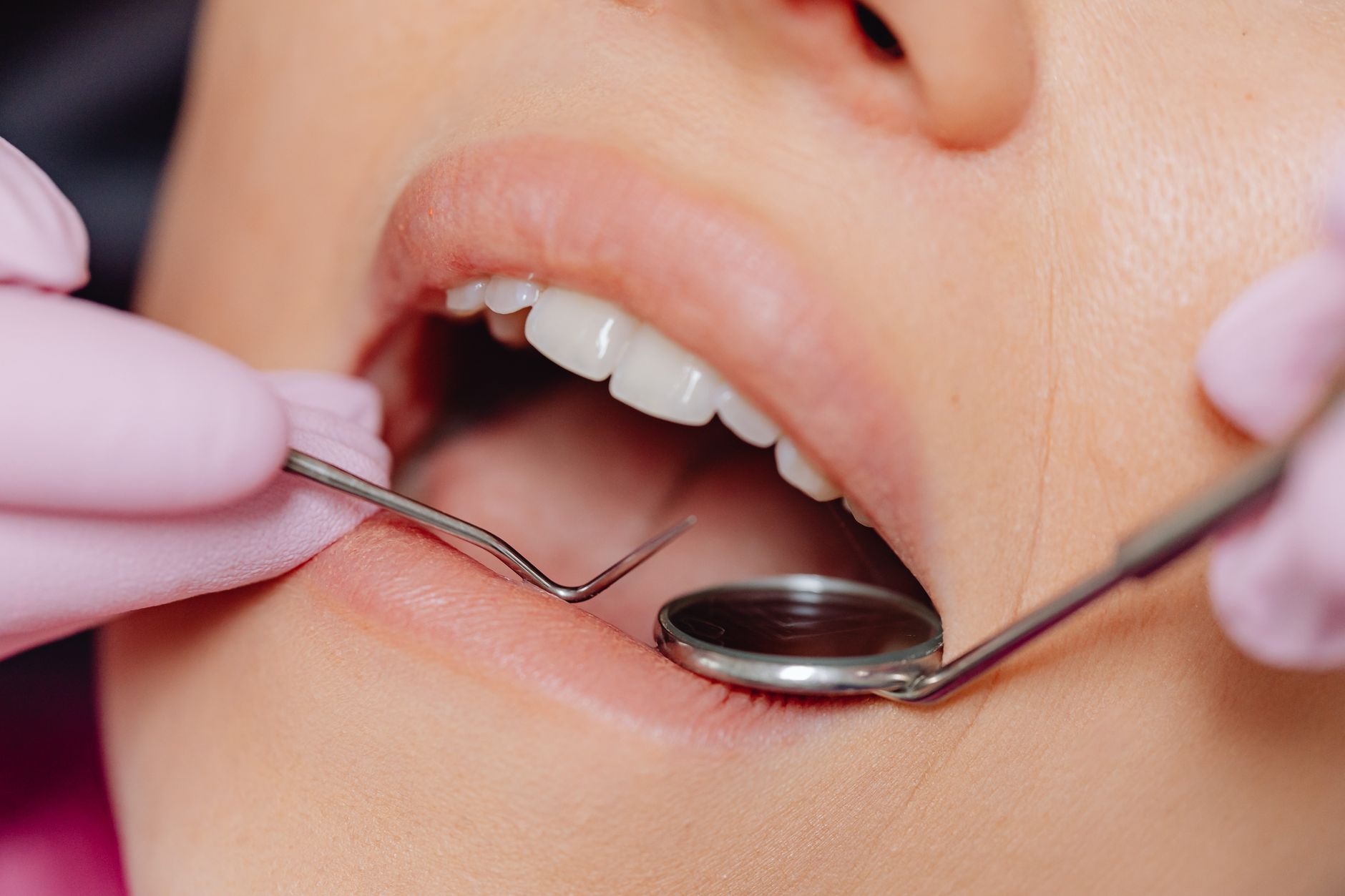
Discover the best options for replacing missing teeth, including dental implants, bridges, and dentures. Learn about pros, cons, costs, and when to see your dentist.
April 1, 2026

Learn about osteoarthritis (OA), a common joint condition. Understand its causes, symptoms, how it's diagnosed, and effective management strategies tailored for the Indian context, including lifestyle changes, medications, and when to consult a doctor.
April 1, 2026