

Free Helpline
We are here to assist you.
Health Advisor
+91-8877772277Available 7 days a week
10:00 AM – 6:00 PM to support you with urgent concerns and guide you toward the right care.

We are here to assist you.
Health Advisor
+91-8877772277Available 7 days a week
10:00 AM – 6:00 PM to support you with urgent concerns and guide you toward the right care.
Learn about nose splints used after nasal surgery. Understand internal vs. external splints, what to expect during recovery, care instructions, and when to consult your doctor.

Undergoing nasal surgery can be a significant step towards improving your breathing, correcting a deviated septum, or even enhancing the appearance of your nose. While the surgical procedure itself is important, what happens after the surgery is just as critical for a successful recovery. One of the key elements involved in this post-operative care is the use of nose splints. You might be wondering, "What exactly is a nose splint, and what does it do?" Let's explore this often-overlooked but vital part of your recovery journey. What is a Nose Splint? A nose splint is a small device, typically made of plastic or silicone, that is used to support and stabilize your nose after a surgical procedure. Think of it as a temporary internal or external cast for your nose. Its primary role is to protect the delicate tissues that have been operated on, helping them to heal in the correct position and shape. The specific type and placement of the splint depend on the nature of the surgery performed. Why Are Nose Splints Used? The Two Main Purposes Nose splints are not just an accessory; they serve two very important functions: Stabilization: After surgery, the tissues inside and around your nose are very fragile. Splints provide external or internal support to prevent accidental bumps or pressure from shifting these tissues as they begin to heal. This helps maintain the new structure of your nose, whether it's been reshaped, straightened, or had blockages removed. Protection: Splints act as a barrier, shielding the surgical site from external trauma. This is especially important in the initial days and weeks when the nose is most vulnerable. Internal vs. External Nose Splints: Understanding the Difference Nose splints come in two main forms, each designed for different surgical needs: Internal Nose Splints These splints are placed inside your nostrils. They are often made of flexible silicone or plastic and are typically held in place with a few small stitches. Internal splints are commonly used after procedures that involve the septum, the wall dividing your nostrils. Common Procedures Requiring Internal Splints: Septoplasty: If you have a deviated septum – where the wall between your nostrils is crooked – a septoplasty can straighten it to improve breathing. After this surgery, internal splints are placed to hold the septum in its new, corrected position. They also help to reduce bleeding and swelling. Other Nasal Surgeries: Surgeries to remove nasal polyps or other obstructions within the nasal cavity might also utilize internal splints to aid healing and maintain an open airway. External Nose Splints External splints are worn on the outside of your nose. They are usually made of a firm plastic or thermoplastic material and are secured to your skin with medical tape, bandages, or a special adhesive that may dissolve on its own after a few days. External splints are more common after surgeries that involve reshaping the external structure of the nose. Common Procedures Requiring External Splints: Rhinoplasty (Nose Job): This cosmetic or reconstructive surgery aims to change the appearance or improve the function of the nose. An external splint helps to support the newly shaped nasal bones and cartilage, ensuring they heal correctly. Fracture Repair: If you've experienced a significant nasal fracture that requires surgical realignment, an external splint is often applied to maintain the nose's shape during the healing process. What to Expect After Getting a Nose Splint The period following nasal surgery with a splint can feel a bit unusual, but understanding what to expect can ease your mind. Your surgical team will provide you with specific instructions, but here's a general overview: Breathing Through Your Nose This is often the most immediate change you'll notice. With internal splints in place, breathing through your nostrils will likely be difficult or impossible. You'll primarily breathe through your mouth. This can lead to a dry mouth and throat, especially when you wake up. Keeping a water bottle handy and using a humidifier can help alleviate this discomfort. Discomfort and Swelling Some level of discomfort, pressure, or a feeling of fullness in your nose is normal. Swelling is also expected, both inside and outside the nose. Pain medication prescribed by your doctor will help manage any significant pain. Avoid blowing your nose forcefully during the initial healing phase, as this can dislodge the splint or disrupt the healing tissues. Appearance An external splint will be visible on the outside of your nose. It might look a bit daunting, but remember it's temporary and crucial for proper healing. Internal splints are not visible from the outside, but you might feel them inside your nostrils. Activity Restrictions You'll need to take it easy! Avoid strenuous activities, heavy lifting, and any contact sports that could risk injuring your nose. Your doctor will advise you on when you can gradually return to your normal activities. When Will the Splint Be Removed? The duration the splint remains in place varies depending on the type of surgery and your individual healing progress. Typically, internal splints are removed within 1 to 2 weeks, while external splints might stay on for a similar period. Your surgeon or a nurse will perform the removal. It's usually a quick and relatively painless process. A 2016 study indicated that there was little difference in complications or comfort levels whether splints were removed after 3, 5, or 7 days. This suggests that the exact timing can be flexible based on your recovery. Caring for Your Nose Splint and Nasal Area Proper care is essential to prevent complications and ensure optimal healing. Always follow your doctor's specific instructions, but general guidelines include: Keep it Clean: Gently clean the outside of your nose and the splint (if external) as instructed by your care team. Avoid getting water directly into your nostrils if advised. Avoid Irritants: Stay away from smoke, dust, and strong perfumes, as these can irritate your nasal passages. Protect Your Nose: Be extremely careful not to bump or put pressure on your nose. Medication: Take any prescribed pain relievers or antibiotics as directed. A Real-Life Scenario: The Sneezing Mishap Imagine this: It's been 2 days since your septoplasty, and you've been diligently following all the post-op instructions. Suddenly, a tickle in your nose leads to an uncontrollable sneeze! Your heart sinks as you feel a slight shift. If your nose splint loosens or falls out within the first 48 hours after surgery, it's crucial to contact your doctor's office immediately for guidance. However, if this happens after the 48-hour mark, it's usually not a cause for major alarm, but you should still inform your doctor at your next scheduled appointment. When to Seek Immediate Medical Attention While most post-operative experiences are smooth, certain signs warrant immediate medical attention. Contact your doctor or go to the emergency room if you experience: Severe, uncontrolled pain Significant bleeding that doesn't stop with gentle pressure Signs of infection, such as increased redness, warmth, swelling, or pus drainage Fever Difficulty breathing that worsens A loosened or fallen-out splint within the first 48 hours post-surgery The Role of Nasal Tape and Steri-Strips In some cases, particularly after less complex nasal surgeries, your surgeon might opt for surgical tape or Steri-Strips instead of a traditional external splint. A 2019 study suggested that these methods can provide adequate protection and support in certain situations, potentially reducing the need for bulkier external splints. Your doctor will determine the best approach for your specific needs. Frequently Asked Questions (FAQ) About Nose Splints Q1: Can I wash my face normally with a nose splint? You'll need to be gentle. Avoid getting water directly into your nostrils or on the external splint adhesive. Your doctor will give you specific instructions on how to clean your face. Q2: How long does it take for the swelling to go down after nasal surgery? Swelling typically peaks in the first few days and gradually subsides over several weeks. Significant swelling reduction can take 1-3 months, with subtle changes continuing for up to a year or more. Q3: Can I wear glasses after nasal surgery with a splint? Generally, you should avoid wearing glasses that rest on the bridge of your nose for several weeks after surgery, especially if you have an external splint or if the bridge of your nose was operated on. Your doctor will advise you on when it's safe to resume wearing them. Q4: Is it normal for my nose to feel numb? Yes, temporary numbness in and around the nose is common due to nerve disruption during surgery. Sensation usually returns gradually over weeks to months. Q5: What if the external splint falls off? If it happens within the first 48 hours, call your doctor immediately. If it's after 48 hours, it's less critical, but you should still notify your doctor at your next appointment. Moving Forward with Healing Nose splints are an integral part of the healing process after nasal surgery, providing essential support and protection. By understanding their purpose, knowing what to expect, and diligently following your
In summary, timely diagnosis, evidence-based treatment, and prevention-focused care improve long-term health outcomes.

Discover the common causes of a bump on your big toe, including bone spurs, bunions, bursitis, corns, and gout. Learn about symptoms, effective treatment options, and prevention strategies for relief.
April 1, 2026
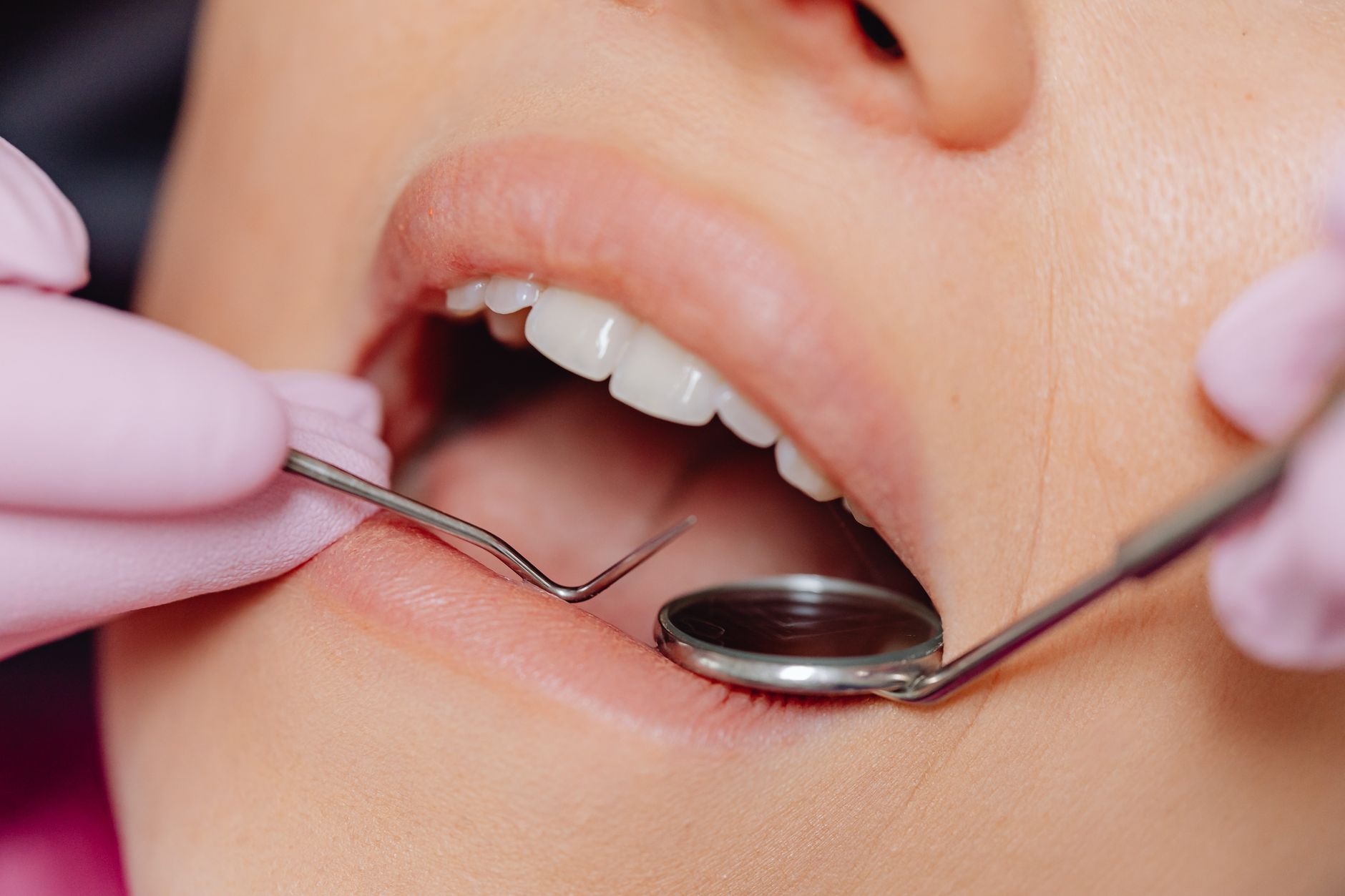
Discover the best options for replacing missing teeth, including dental implants, bridges, and dentures. Learn about pros, cons, costs, and when to see your dentist.
April 1, 2026

Learn about osteoarthritis (OA), a common joint condition. Understand its causes, symptoms, how it's diagnosed, and effective management strategies tailored for the Indian context, including lifestyle changes, medications, and when to consult a doctor.
April 1, 2026