

Free Helpline
We are here to assist you.
Health Advisor
+91-8877772277Available 7 days a week
10:00 AM – 6:00 PM to support you with urgent concerns and guide you toward the right care.

We are here to assist you.
Health Advisor
+91-8877772277Available 7 days a week
10:00 AM – 6:00 PM to support you with urgent concerns and guide you toward the right care.
Learn about infraspinatus pain, a common issue affecting the rotator cuff. Discover causes like overuse, tears, and impingement, along with symptoms and effective treatment options for relief.

Your shoulder is a marvel of engineering, allowing for a wide range of motion. At its core is the rotator cuff, a group of four muscles and their tendons that keep your upper arm bone (humerus) in place and help you move your arm. The infraspinatus muscle is one of these key players. Located at the back of your shoulder, it attaches the top of your humerus to your shoulder blade, playing a vital role in rotating your arm outwards and away from your body. When this muscle or its surrounding structures are injured or inflamed, you might experience infraspinatus pain.
Infraspinatus pain often stems from overuse and repetitive motions, especially those involving reaching overhead or throwing. This makes it common among individuals in certain professions and sports. Think about a painter who spends hours with their arm raised, or a tennis player performing serve after serve. Athletes under 30 who engage in overhead throwing activities, like cricket fast bowlers or even badminton players, are particularly susceptible. As we age, wear and tear also increase the likelihood of developing infraspinatus issues.
Tears in the infraspinatus tendon are a significant cause of pain. These can be:
This refers to less severe injuries to the infraspinatus tendon. It can manifest in two ways:
Symptoms of tendinopathy might include a dull ache in your shoulder and upper arm, pain that worsens with shoulder use, and some limitation in your shoulder's range of motion.
Bursae are small, fluid-filled sacs that act as cushions between bones, tendons, and muscles. In the shoulder, the bursa located between the top of your arm bone and the tip of your shoulder can become inflamed, a condition known as bursitis. This inflammation can lead to pain and restrict the infraspinatus muscle's ability to move freely. While overuse is a common culprit, bursitis can also arise from direct injury or specific medical conditions.
Impingement happens when a tendon or bursa gets compressed, often by a bone spur or due to inflammation. Infraspinatus impingement is less common unless you're involved in sports requiring repetitive overhead motions, like tennis or baseball pitching. It's more frequently seen in younger athletes (under 30) who put significant stress on their shoulders.
The suprascapular nerve supplies the infraspinatus muscle. If this nerve gets compressed or
Most people do not notice early warning signs right away. That is common. A simple symptom diary, basic routine checks, and timely follow-up visits can prevent small problems from becoming serious.
If you are already on treatment, stay consistent with medicines and lifestyle advice. If your symptoms change, do not guess. Check with a qualified doctor and update your plan early.
Write down symptoms, triggers, and timing for a few days.
Carry old prescriptions and test reports to your consultation.
Ask clearly about side effects, red-flag signs, and follow-up dates.
Seek urgent care for severe pain, breathing trouble, bleeding, fainting, or sudden worsening.

Discover the common causes of a bump on your big toe, including bone spurs, bunions, bursitis, corns, and gout. Learn about symptoms, effective treatment options, and prevention strategies for relief.
April 1, 2026
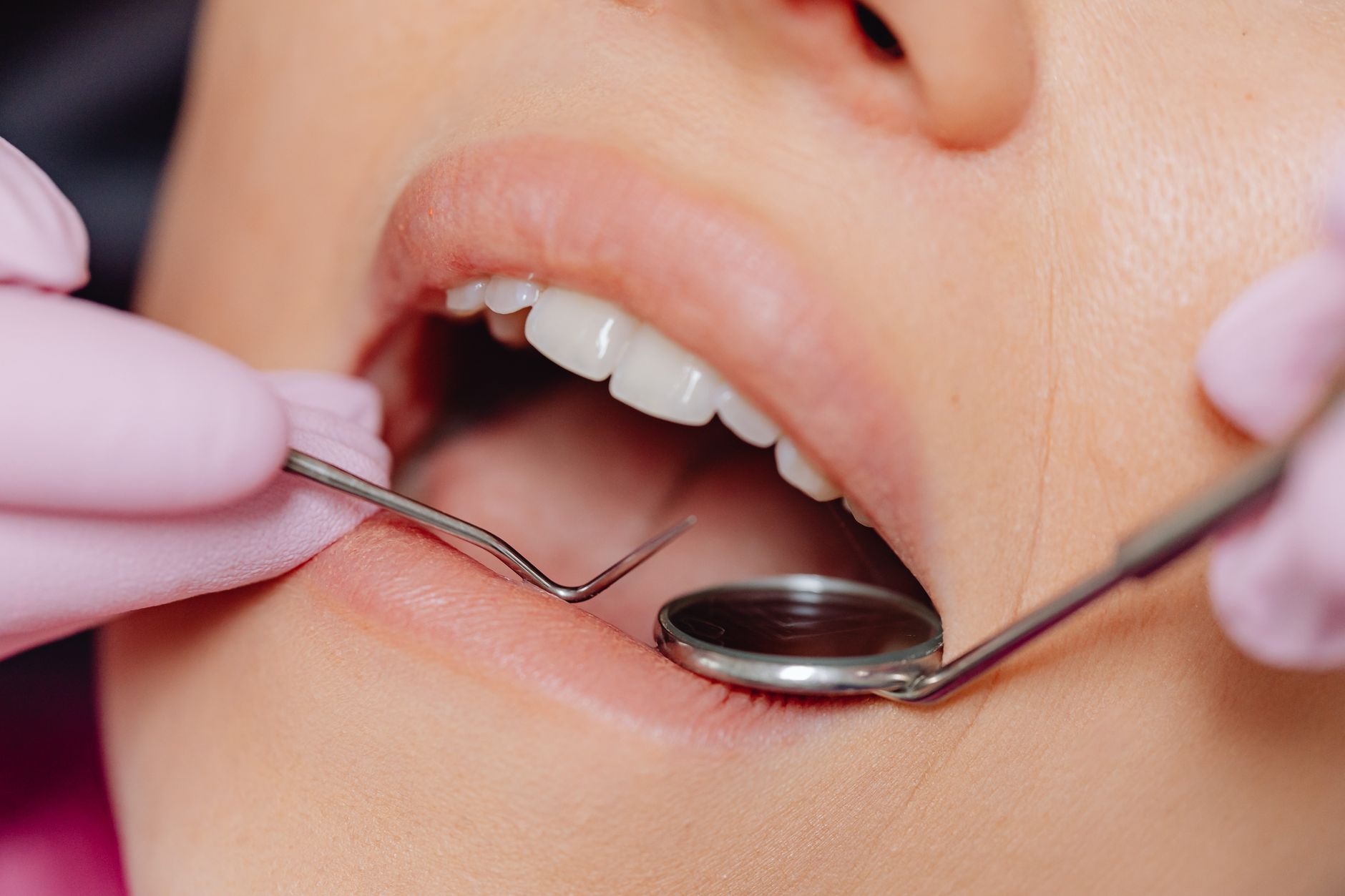
Discover the best options for replacing missing teeth, including dental implants, bridges, and dentures. Learn about pros, cons, costs, and when to see your dentist.
April 1, 2026

Learn about osteoarthritis (OA), a common joint condition. Understand its causes, symptoms, how it's diagnosed, and effective management strategies tailored for the Indian context, including lifestyle changes, medications, and when to consult a doctor.
April 1, 2026