

Free Helpline
We are here to assist you.
Health Advisor
+91-8877772277Available 7 days a week
10:00 AM – 6:00 PM to support you with urgent concerns and guide you toward the right care.

We are here to assist you.
Health Advisor
+91-8877772277Available 7 days a week
10:00 AM – 6:00 PM to support you with urgent concerns and guide you toward the right care.
Learn about the causes, symptoms, diagnosis, and treatment options for elbow fractures, including non-surgical and surgical interventions, and the importance of rehabilitation for recovery.

An elbow fracture, a break in one of the bones that form the elbow joint, can be a painful and debilitating injury. The elbow is a complex joint made up of three bones: the humerus (upper arm bone), the ulna (one of the forearm bones), and the radius (the other forearm bone). A fracture can occur in any of these bones. The severity of an elbow fracture can range from a minor hairline crack to a complete break where the bone is in multiple pieces. Understanding the causes, symptoms, and available treatment options is crucial for proper recovery and regaining full function of the arm. What Causes Elbow Fractures? Elbow fractures typically result from trauma to the elbow. Common causes include: Falls: Falling directly onto an outstretched hand or directly onto the elbow is a very common cause. This is especially true for older adults and children. Direct Impact: A direct blow to the elbow, such as from a sports injury or an accident, can cause a fracture. Overuse: While less common, repetitive stress on the elbow joint over time can weaken the bone and potentially lead to stress fractures. Sports Injuries: Contact sports like football, hockey, or even falls during activities like cycling or skiing can lead to elbow fractures. Recognizing the Symptoms of an Elbow Fracture Prompt recognition of symptoms is vital for seeking timely medical attention. If you suspect an elbow fracture, it's important to consult a healthcare professional immediately. Common symptoms include: Severe Pain: Intense pain in the elbow area, which may worsen with movement. Swelling: Significant swelling around the elbow joint. Bruising: Discoloration or bruising around the elbow and forearm. Deformity: A visible deformity of the elbow, suggesting the bone may be out of place. Tenderness: Extreme tenderness to touch in the affected area. Inability to Move the Elbow: Difficulty or complete inability to bend or straighten the arm at the elbow. Numbness or Tingling: In some cases, nerve involvement can cause numbness or tingling in the hand or fingers. Diagnosing an Elbow Fracture A healthcare provider will conduct a thorough examination to diagnose an elbow fracture. This usually involves: Medical History: Discussing how the injury occurred and the onset of symptoms. Physical Examination: Assessing the range of motion, checking for swelling, bruising, and tenderness, and evaluating nerve function. Imaging Tests: X-rays: These are the primary diagnostic tool to visualize the bones and confirm the presence, location, and severity of the fracture. Multiple views of the elbow are typically taken. CT Scan: In complex fractures or when detailed imaging of the joint surface is needed, a CT scan may be ordered. MRI Scan: While less common for initial fracture diagnosis, an MRI might be used to assess damage to surrounding soft tissues like ligaments and tendons. Treatment Options for Elbow Fractures Treatment for an elbow fracture depends heavily on the type, location, and severity of the break. The goal is to realign the broken bone fragments and allow them to heal properly, restoring function to the elbow. Nonsurgical Treatment Nonsurgical methods are typically recommended for stable, non-displaced fractures, where the broken bone pieces remain aligned. These treatments focus on immobilizing the elbow to allow healing: Immobilization: The elbow is immobilized using a cast, splint, brace, or sling. This prevents movement, allowing the bone to heal without further displacement. The duration of immobilization can vary from a few weeks to several months. Pain Management: Over-the-counter pain relievers like paracetamol (acetaminophen) or ibuprofen can help manage pain and reduce inflammation. Stronger prescription pain medication may be necessary for severe pain. Rest: Avoiding activities that could stress the elbow is crucial. Surgical Treatment Surgery is often necessary for displaced fractures, where the bone fragments have moved out of alignment, or for complex fractures involving the joint surface. The primary surgical technique is: Open Reduction and Internal Fixation (ORIF): This procedure involves surgically exposing the fractured bone, realigning the fragments (open reduction), and then stabilizing them with internal hardware such as screws, plates, pins, or wires (internal fixation). This method ensures precise alignment for optimal healing. Elbow Replacement: In severe cases where the elbow joint is extensively damaged, a total elbow replacement might be considered. This involves replacing the damaged joint surfaces with artificial components. Radial Head Replacement: If the radial head (part of the radius bone near the elbow) is severely fractured into multiple pieces and cannot be repaired, it may be replaced with an artificial implant. Sometimes, nerve damage, particularly to the ulnar nerve, can occur with elbow fractures. If this happens, surgery may be required to reposition the nerve and relieve pressure. Recovery and Rehabilitation The recovery period after an elbow fracture varies significantly depending on the severity of the injury and the treatment received. A simple, non-displaced fracture might heal within a couple of months. However, more complex fractures requiring surgery can take up to a year or even longer for full recovery. Follow Doctor's Orders: It is essential to adhere strictly to your doctor's instructions regarding activity restrictions, medication, and follow-up appointments. Physical Therapy: Once cleared by your doctor, physical therapy is a critical component of recovery. A physiotherapist will guide you through exercises to restore range of motion, strength, and function to your elbow and arm. This often starts with gentle passive movements and progresses to active exercises. Activity Modification: During recovery, it's vital to avoid activities that could re-injure the elbow. High-impact
In summary, timely diagnosis, evidence-based treatment, and prevention-focused care improve long-term health outcomes.

Discover the common causes of a bump on your big toe, including bone spurs, bunions, bursitis, corns, and gout. Learn about symptoms, effective treatment options, and prevention strategies for relief.
April 1, 2026
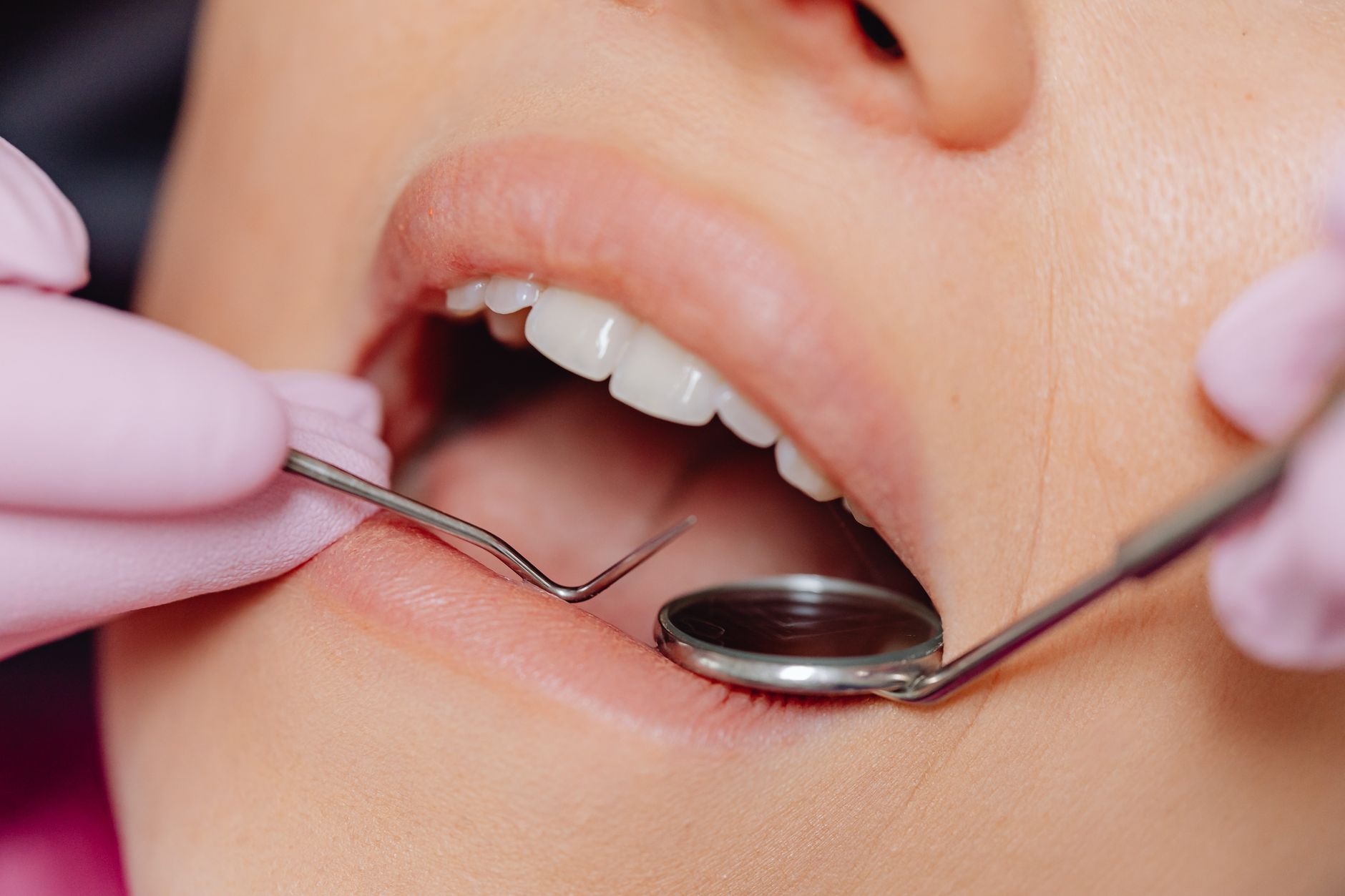
Discover the best options for replacing missing teeth, including dental implants, bridges, and dentures. Learn about pros, cons, costs, and when to see your dentist.
April 1, 2026

Learn about osteoarthritis (OA), a common joint condition. Understand its causes, symptoms, how it's diagnosed, and effective management strategies tailored for the Indian context, including lifestyle changes, medications, and when to consult a doctor.
April 1, 2026