

Free Helpline
We are here to assist you.
Health Advisor
+91-8877772277Available 7 days a week
10:00 AM – 6:00 PM to support you with urgent concerns and guide you toward the right care.

We are here to assist you.
Health Advisor
+91-8877772277Available 7 days a week
10:00 AM – 6:00 PM to support you with urgent concerns and guide you toward the right care.
Learn about thoracic scoliosis, the sideways curve in the upper and middle back. Understand its symptoms, causes, diagnosis, and treatment options, including observation, bracing, and surgery.

Understanding Thoracic Scoliosis: A Comprehensive Guide The human spine, when viewed from the side, has natural curves that help us stand and move. However, when viewed from the back, it should appear straight. Scoliosis is a condition where the spine develops a sideways curve, making it look like an 'S' or 'C' shape when viewed from behind. Thoracic scoliosis specifically refers to this sideways curvature occurring in the thoracic spine, which is the upper and middle part of your back, comprising 12 vertebrae. This condition is relatively common, particularly among children and adolescents, and can be managed through various approaches, ranging from conservative observation to surgical intervention. What is Thoracic Scoliosis? Thoracic scoliosis is defined as a sideways curvature of the spine in the thoracic region. A curve exceeding 10 degrees, when measured on an X-ray, is typically diagnosed as scoliosis. Curves that are more severe, often considered greater than 45–50 degrees, can lead to more significant health concerns. While the exact cause of scoliosis is often unknown (idiopathic scoliosis), genetics is believed to play a role, with about 30% of individuals with idiopathic scoliosis having a family history of the condition. In most cases of thoracic scoliosis, the curve tends to be towards the right side, although leftward curves can occur but are less common. Symptoms of Thoracic Scoliosis The most apparent sign of thoracic scoliosis is a visible curve in the upper or middle back. Other common symptoms include: One shoulder blade appearing more prominent than the other. Ribs protruding more noticeably on one side. Unevenness in the waist or hips. In more severe cases, or if the curve progresses significantly, additional symptoms may arise: Lung problems: This can manifest as shortness of breath or a reduced ability to exercise due to the curvature affecting chest expansion. Pain: While many individuals with mild thoracic scoliosis do not experience pain, severe or progressive curves can lead to discomfort in the back, shoulders, and even the chest and rib cage area, as the ribs are connected to the thoracic spine. The pain associated with thoracic scoliosis can stem from several factors, including muscle strain, nerve compression, or the mechanical stress on the spine and surrounding structures. Causes of Thoracic Scoliosis The exact cause of thoracic scoliosis is often not identifiable, leading to the classification of idiopathic scoliosis , which accounts for about 80% of all scoliosis cases. However, other causes exist: Congenital Scoliosis: This form is present from birth and occurs when the vertebrae in the spine do not form correctly during fetal development. Neuromuscular Scoliosis: This type develops as a secondary condition due to underlying neurological or muscular disorders. Examples include: Spinal cord injuries Muscular dystrophy Cerebral palsy Spina bifida Spinal muscular atrophy Degenerative Scoliosis: This can occur in adults due to the aging process, where the spinal discs and joints wear down, leading to a curve. While less common, other factors like tumors or infections affecting the spine can also contribute to scoliosis. Diagnosis of Thoracic Scoliosis Diagnosing thoracic scoliosis typically involves a thorough medical history, a physical examination, and imaging tests. During the physical exam, a doctor will look for signs of spinal curvature, such as uneven shoulders or hips, and may perform a forward bend test (Adam's forward bend test) to observe the spine's alignment. Imaging tests are crucial for confirming the diagnosis and assessing the severity of the curve: X-rays: These are the primary tool for diagnosing scoliosis. They allow doctors to measure the degree of the spinal curve and identify its location. MRI (Magnetic Resonance Imaging): An MRI may be used to get detailed images of the spinal cord and nerves, especially if a neuromuscular cause is suspected or if there are neurological symptoms. CT (Computed Tomography) Scan: A CT scan can provide more detailed images of the bones and may be used in specific cases. Treatment Options for Thoracic Scoliosis The treatment approach for thoracic scoliosis depends on several factors, including the patient's age, the severity of the curve, and whether the curve is progressing. The goal is to prevent the curve from worsening and to manage any associated symptoms. Observation For mild curves (less than 25 degrees) in children and adolescents, a doctor may recommend observation. This involves regular follow-up appointments, typically every 6 to 12 months, to monitor the curve's progression until skeletal maturity is reached. Adults with scoliosis usually have less frequent follow-ups, around once every five years, unless symptoms change. Bracing If the curve is moderate (between 25 and 45 degrees) and the patient is still growing, a brace may be recommended. Braces are worn to prevent the curve from worsening, though they do not correct the existing curve. The type and duration of bracing depend on the individual's growth and the curve's progression. Surgery Surgery is generally considered for severe curves (greater than 45–50 degrees) or curves that continue to progress despite conservative treatment. Surgical procedures aim to correct the spinal curvature and stabilize the spine using rods, hooks, screws, and bone grafts. In cases where the curve is greater than 40 degrees in children and adolescents, or greater than 50 degrees in adults with significant symptoms, surgery might be recommended. Pain Management For individuals experiencing pain, treatment may include pain relievers, physical therapy, and exercises to strengthen back muscles and improve posture. In some cases, injections may be used to manage localized pain. Prevention of Thoracic Scoliosis
In summary, timely diagnosis, evidence-based treatment, and prevention-focused care improve long-term health outcomes.

Discover the common causes of a bump on your big toe, including bone spurs, bunions, bursitis, corns, and gout. Learn about symptoms, effective treatment options, and prevention strategies for relief.
April 1, 2026
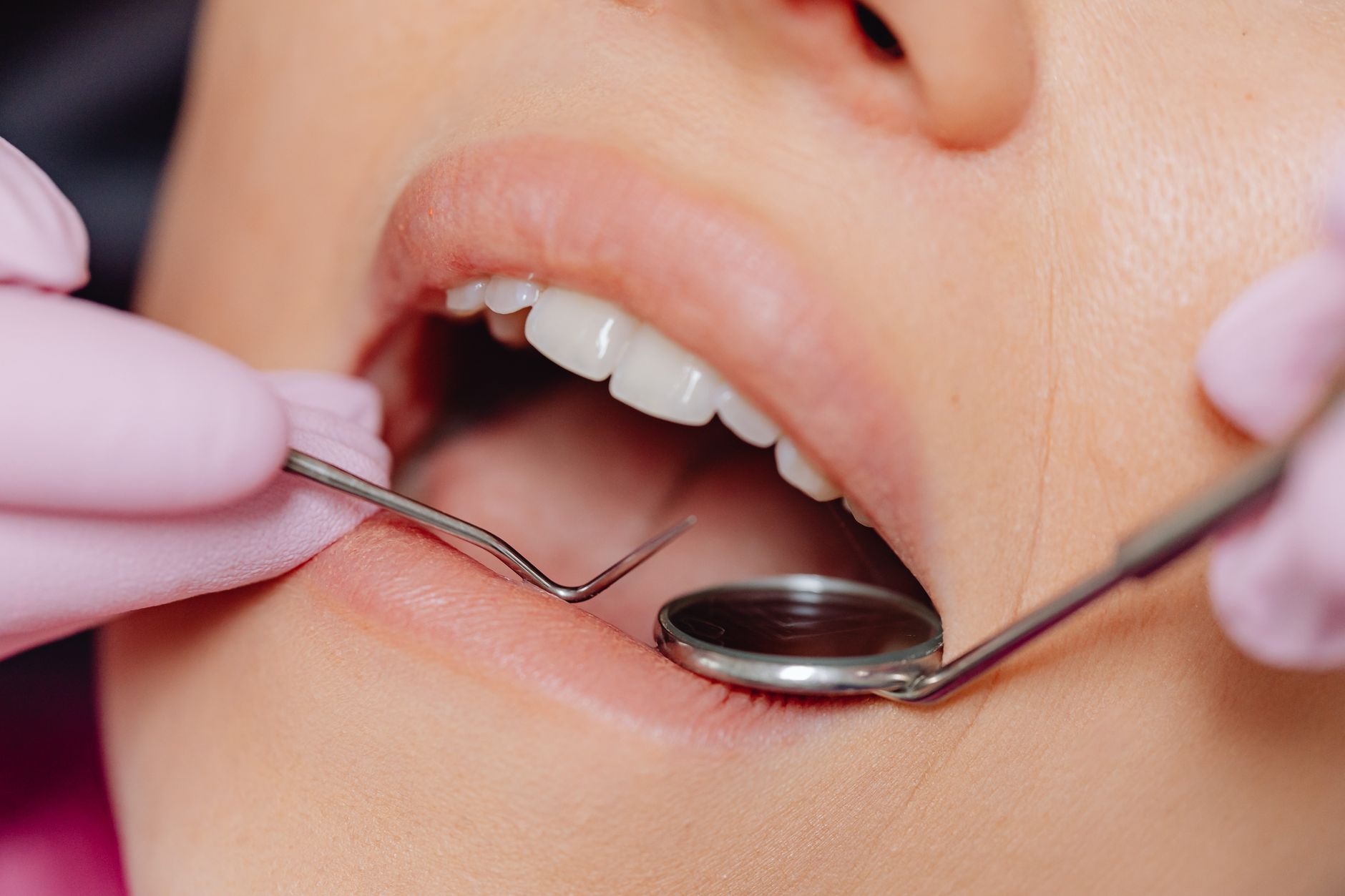
Discover the best options for replacing missing teeth, including dental implants, bridges, and dentures. Learn about pros, cons, costs, and when to see your dentist.
April 1, 2026

Learn about osteoarthritis (OA), a common joint condition. Understand its causes, symptoms, how it's diagnosed, and effective management strategies tailored for the Indian context, including lifestyle changes, medications, and when to consult a doctor.
April 1, 2026