

Free Helpline
We are here to assist you.
Health Advisor
+91-8877772277Available 7 days a week
10:00 AM – 6:00 PM to support you with urgent concerns and guide you toward the right care.

We are here to assist you.
Health Advisor
+91-8877772277Available 7 days a week
10:00 AM – 6:00 PM to support you with urgent concerns and guide you toward the right care.
Learn how to sleep comfortably and promote healing after wisdom tooth extraction. Discover the best sleeping positions, pain management tips, and what to avoid for a smooth recovery.

So, you’ve had your wisdom teeth out. Congratulations on taking a big step towards better oral health! Now comes the part where you need to heal, and let's be honest, that can be a bit of a challenge, especially when it comes to getting a good night's sleep. The surgical removal of these back molars, which typically emerge between 18 and 24 years of age, often leaves you with some discomfort, swelling, and bruising. This makes finding a comfortable sleeping position feel like a distant dream. But don't worry! We're here to guide you through how to sleep after wisdom tooth extraction, ensuring you get the rest your body desperately needs to recover.
Wisdom teeth, those final molars tucked away at the very back of your mouth, are notorious for causing trouble. When they need to be removed, the procedure, while common, is still surgery. Post-surgery, you can expect a range of sensations. Jaw swelling is almost a given. Bruising might appear on your cheeks, and pain, ranging from a dull ache to something more intense, is also par for the course. These symptoms can make lying down, let alone sleeping, a rather uncomfortable affair. The key is to manage these symptoms effectively so you can prioritize rest, which is vital for your healing process.
Your bedroom environment plays a surprisingly significant role in how well you sleep, especially when you’re recovering from surgery. Think of it as creating a mini-retreat for your healing body.
A cool room is generally more conducive to sleep. A stuffy, warm environment can increase discomfort and make it harder to drift off. If you don’t have air conditioning, a fan can work wonders. Experiment with the temperature until you find what feels most soothing.
Ensure your room is as dark as possible. Blackout curtains can be a lifesaver. Even small amounts of light can disrupt your sleep cycle. Minimizing light signals to your brain that it’s time to rest and recover.
Establish a calming pre-sleep routine. This might include reading a book (something light and engaging, not too stimulating!), listening to soft music, or practicing gentle deep breathing exercises. Avoid screens – the blue light can interfere with melatonin production, making it harder to fall asleep. These habits help signal to your body that it's time to wind down, taking your mind off any lingering discomfort.
This is where things get interesting, and perhaps a little tricky. Your usual sleeping position might need a temporary adjustment. The goal is to avoid putting pressure on the surgical sites and to help manage swelling.
This is perhaps the most critical piece of advice. Sleeping with your head elevated is paramount. Why? Gravity! Elevating your head helps reduce swelling by allowing fluids to drain away from the surgical area. It also promotes better blood circulation and can aid in the clotting process, which is essential for healing. Aim to use at least two to three extra pillows. You want to create a gentle incline, not a steep angle. Some people find a wedge pillow to be incredibly helpful for maintaining this elevated position throughout the night.
If you’re a back sleeper, this might require some adjustment. Sleeping on your side, particularly the side opposite your surgery, is often recommended. This position makes it easier to keep your head elevated and can help you avoid accidentally rolling onto your surgical site. Use your extra pillows to support your head and neck comfortably. You can even place a pillow in front of you to hug, which can prevent you from rolling onto your stomach or back.
Sleeping on your stomach is generally discouraged after wisdom tooth extraction. This position makes it very difficult to keep your head elevated. Furthermore, it can put pressure on your jaw and face, potentially increasing discomfort and swelling. If you are a dedicated stomach sleeper, you might need to train yourself to sleep on your side for a few weeks during your recovery period.
Don’t underestimate the power of prescribed medications. Your dentist or oral surgeon will likely prescribe pain relievers.
Take your pain medication exactly as prescribed. Don't wait until the pain becomes unbearable. Taking it at regular intervals, as directed, will help keep your pain at a manageable level, making it much easier to fall asleep and stay asleep. If you experience drowsiness from the medication, be extra careful when moving around.
For milder discomfort, or in between doses of prescription medication, over-the-counter pain relievers like ibuprofen (Advil) or acetaminophen (Tylenol) can be effective. Always follow the dosage instructions on the packaging or as advised by your dentist.
Just as important as knowing what to do is knowing what *not* to do. Certain actions can significantly hinder your healing and increase your risk of complications.
As mentioned, sleeping flat on your back is a no-go. The RICE protocol (Rest, Ice, Compression, Elevation) is a cornerstone of recovery for many injuries, and for wisdom tooth extraction, elevation is key. Flattening out negates the benefits of elevation, allowing swelling to potentially worsen.
Alcohol and tobacco are enemies of healing. Alcohol can interfere with pain medications and dehydrate you, while smoking introduces harmful chemicals that can impede blood flow and delay healing. It’s best to abstain from both for at least 24 hours post-surgery, and ideally, for the entire duration of your recovery. This includes avoiding vaping.
For the first 24 hours, avoid rinsing your mouth altogether. After that, gentle rinsing with a prescribed antiseptic mouthwash or warm salt water can help keep the area clean and prevent infection. However, vigorous rinsing or spitting can dislodge the crucial blood clot that forms in the socket, leading to a painful condition called dry socket. Be gentle!
Avoid brushing the surgical site directly for at least the first 24 hours. After that, you can resume brushing very gently, being careful not to disturb the area. You might need to use a smaller toothbrush or focus on other areas of your mouth initially.
Gauze pads are used immediately after surgery to help absorb bleeding and apply light pressure to aid clotting. However, you should NEVER sleep with gauze in your mouth. It poses a significant choking hazard, especially if you’re drowsy from pain medication. Remove and replace the gauze as instructed by your dentist, but ensure it’s out before you attempt to sleep.
The first few mornings after your wisdom teeth are removed require a gentle approach. Healing can take weeks, but good morning habits can set a positive tone for the day.
As soon as you wake up, take any prescribed medication as directed. Staying ahead of the pain is much easier than catching up.
Gently check for any signs of unusual swelling, excessive bleeding, or signs of infection like fever or a foul taste in your mouth. If anything seems concerning, contact your dentist immediately.
Apply a cold compress or ice pack wrapped in a cloth to your jaw for 10-20 minutes at a time. This helps reduce swelling and can numb the area, providing relief.
Stick to soft, easy-to-eat foods. Think smoothies (avoid using a straw!), yogurt, scrambled eggs, or soup. Anything that requires minimal chewing will prevent irritation to your surgical sites.
While some discomfort is expected, certain signs indicate you should contact your dentist or oral surgeon promptly. These include:
Getting enough rest is a cornerstone of recovery. By implementing these strategies for sleeping after wisdom tooth extraction, you can significantly minimize your discomfort, promote healing, and get back to feeling like yourself much sooner. Sweet dreams!

Discover the common causes of a bump on your big toe, including bone spurs, bunions, bursitis, corns, and gout. Learn about symptoms, effective treatment options, and prevention strategies for relief.
April 1, 2026
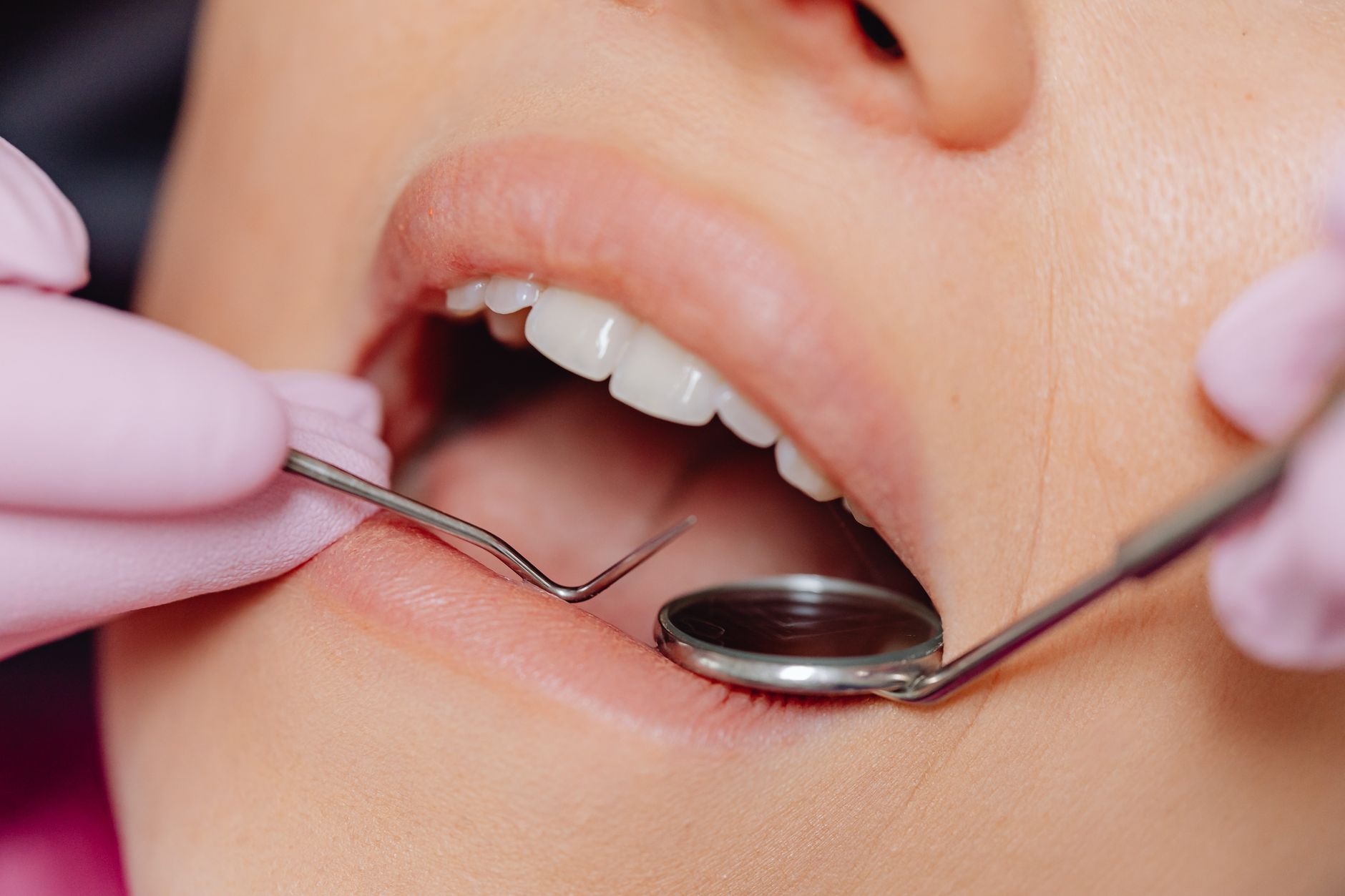
Discover the best options for replacing missing teeth, including dental implants, bridges, and dentures. Learn about pros, cons, costs, and when to see your dentist.
April 1, 2026

Learn about osteoarthritis (OA), a common joint condition. Understand its causes, symptoms, how it's diagnosed, and effective management strategies tailored for the Indian context, including lifestyle changes, medications, and when to consult a doctor.
April 1, 2026