

Free Helpline
We are here to assist you.
Health Advisor
+91-8877772277Available 7 days a week
10:00 AM – 6:00 PM to support you with urgent concerns and guide you toward the right care.

We are here to assist you.
Health Advisor
+91-8877772277Available 7 days a week
10:00 AM – 6:00 PM to support you with urgent concerns and guide you toward the right care.
Discover how to identify, treat, and prevent seed corns on your feet. Learn the differences between seed corns, calluses, and plantar warts, and find effective home remedies and when to see a doctor.

Tiny, uncomfortable bumps on the soles of your feet can be quite bothersome. You might be wondering what they are and how to get rid of them. Often, these are seed corns, a specific type of corn known for its small size and tendency to appear in multiples on the bottom of your feet. While they might seem insignificant, seed corns can cause pain and discomfort, especially when you're on your feet all day. This guide will help you understand what seed corns are, how to distinguish them from other foot issues, and most importantly, how to treat and prevent them effectively, keeping your feet happy and healthy. What Exactly Are Seed Corns? Seed corns, medically known as heloma miliare , are small, hard, and well-defined circular spots of thickened skin. They are a subtype of corns, which develop on the feet due to repeated pressure or friction. What sets seed corns apart is their size – they are typically smaller than other types of corns. They often appear on the sole of the foot, and it's common to find several of them at once. While some seed corns don't cause any pain, they can become uncomfortable or even painful when pressure is applied, particularly in areas that bear your body weight during walking or standing. The exact cause isn't always clear, but they are often associated with dry skin and can arise from underlying foot conditions. These conditions might include things like bunions or hammer toes, which alter how your foot distributes pressure. Think of it this way: when your foot mechanics aren't quite right, certain spots get more rubbing or pressure, and your skin tries to protect itself by thickening. In the case of seed corns, this thickening is concentrated into tiny, hard spots. Distinguishing Seed Corns from Other Foot Lesions It's easy to confuse seed corns with other common foot issues like calluses or plantar warts. Understanding the differences can help you choose the right treatment. Here’s a breakdown: Seed Corn vs. Callus Size: Seed corns are significantly smaller and more localized than calluses. Calluses tend to be larger, flatter areas of thickened skin. Shape: Seed corns are typically round and have a distinct border. Calluses can vary greatly in shape and are often irregular. Location: While both can appear on the soles of your feet, calluses are more commonly found in weight-bearing areas like the heel or the ball of the foot. Seed corns can appear anywhere on the sole. Pain: Seed corns can be painful when pressed, whereas calluses are usually painless unless the skin cracks. Seed Corn vs. Plantar Wart This is where it gets trickier, as seed corns and plantar warts can look very similar. Both can be hard, thickened areas on the sole of the foot and may cause pain. However, there are key differences: Skin Lines: The skin on the bottom of your feet has natural lines and creases. Plantar warts tend to disrupt these lines, causing them to look broken or scattered. Seed corns, on the other hand, do not typically disrupt these natural skin lines. Tiny Dots: Plantar warts often contain tiny black or brown dots. These are actually small blood vessels that have clotted. Seed corns do not have these characteristic dots. Size: While plantar warts can vary in size, seed corns are consistently small. If you're unsure, especially if the lesion is painful or persistent, it's best to consult a doctor. They can accurately diagnose the condition. In some cases, a doctor might take a small skin sample (biopsy) to examine under a microscope for a definitive diagnosis. Effective Treatments for Seed Corns Fortunately, most seed corns can be managed effectively at home. The primary goal is to soften the thickened skin and gently remove it. Soaking Your Feet This is the first and simplest step. Soak your feet in warm, soapy water for about 5 to 10 minutes. This softens the hard skin of the seed corn, making it much easier to manage. You can use a mild soap and ensure the water isn't too hot to avoid burning your skin. Gentle Filing After soaking, when the skin is soft, you can gently file away the thickened skin. Use a pumice stone or an emery board. Be gentle! The key is gradual removal. Avoid filing too aggressively, as this can cause injury, bleeding, or infection. It might take several sessions to see a significant difference. Over-the-Counter (OTC) Medications Many pharmacies offer OTC products designed to treat corns and calluses. These typically contain salicylic acid, which helps to break down and dissolve the thickened skin. They come in liquid or pad forms. Important Note: If you have diabetes, poor circulation, or any condition that affects your feet or wound healing, you must avoid using these products. Salicylic acid can be too harsh and may lead to serious complications. Always read the product instructions carefully and consult your doctor if you have any underlying health conditions. Moisturizing Regularly Keeping your skin hydrated is essential for preventing and managing seed corns. Apply a good quality moisturizer to the soles of your feet daily, especially after bathing. This helps to soften dry, thickened skin and can prevent new corns from forming or existing ones from worsening. Comfortable Footwear The shoes you wear play a significant role. Opt for footwear that fits well and doesn't rub or pinch your feet. Avoid high heels or tight shoes that put excessive pressure on the balls or soles of your feet. Ensure there's enough room for your toes to move freely. Sometimes, simply changing to more supportive and well-fitting shoes can make a world of difference. Protective Padding If a seed corn is particularly painful, you can use moleskin or a corn pad to cushion the area. This reduces friction and pressure when you walk, providing relief. Make sure the padding is applied correctly and doesn't rub against the corn itself. When to Seek Professional Medical Help While home treatments are often effective, there are times when you should consult a healthcare professional, such as a podiatrist (foot doctor) or your general physician. Persistent Pain: If the seed corn is causing significant pain that doesn't improve with home care. Signs of Infection: Look out for redness, swelling, increased warmth, pus, or fever. These could indicate an infection, which requires prompt medical attention. Underlying Health Conditions: As mentioned, if you have diabetes, poor circulation, neuropathy, or any condition that compromises blood flow or healing, you must seek medical advice before attempting any self-treatment. Uncertainty: If you are unsure whether the lesion is a seed corn, a wart, or something else entirely. Recurrence: If seed corns keep coming back despite your best efforts to treat and prevent them. A podiatrist can offer stronger treatments, such as prescription-strength salicylic acid, safely remove the corn using medical instruments, or address any underlying biomechanical issues contributing to their formation. Preventing Seed Corns from Returning Prevention is always better than cure. By incorporating a few simple habits into your routine, you can significantly reduce your chances of developing seed corns: Choose the Right Footwear: Wear shoes that fit well, offer good support, and have a wide toe box. Avoid tight shoes, high heels, or shoes with rough seams inside that can cause friction. Keep Feet Moisturized: Apply moisturizer daily, especially to dry areas on your feet. This keeps the skin supple and less prone to thickening. Wear Protective Socks: Opt for socks that fit well and are made of moisture-wicking materials. They act as a buffer between your skin and your shoes. Address Foot Conditions: If you have bunions, hammer toes, or other foot deformities, consult a podiatrist. Corrective measures or orthotics can help improve foot mechanics and reduce pressure points. Inspect Your Feet Regularly: Make it a habit to check your feet for any new bumps, redness, or changes. Early detection makes treatment easier. Gentle Exfoliation: Periodically use a pumice stone or foot file to gently smooth out any areas of developing thick skin. A Common Scenario Meet Priya, a busy homemaker who loves her daily walks. Lately, she's noticed a sharp, persistent pain on the sole of her left foot, right under the ball. It feels like she's stepping on a tiny pebble. She initially ignored it, thinking it was just a blister, but it hasn't gone away and is making her walks uncomfortable. She's worried it might be something serious. After reading about seed corns, Priya decided to try soaking her feet and gently filing the area. She also made sure to wear her most comfortable, well-fitting walking shoes and apply moisturizer diligently. Within a couple of weeks, the pain significantly reduced, and the hard spot felt much softer. This simple, consistent care made a big difference for Priya's comfort. Frequently Asked Questions (FAQ) Can seed corns be painful? Yes, seed corns can become painful, especially when pressure is applied to them during walking or standing, or if they occur in weight-bearing areas of the foot. How
In summary, timely diagnosis, evidence-based treatment, and prevention-focused care improve long-term health outcomes.

Discover the common causes of a bump on your big toe, including bone spurs, bunions, bursitis, corns, and gout. Learn about symptoms, effective treatment options, and prevention strategies for relief.
April 1, 2026
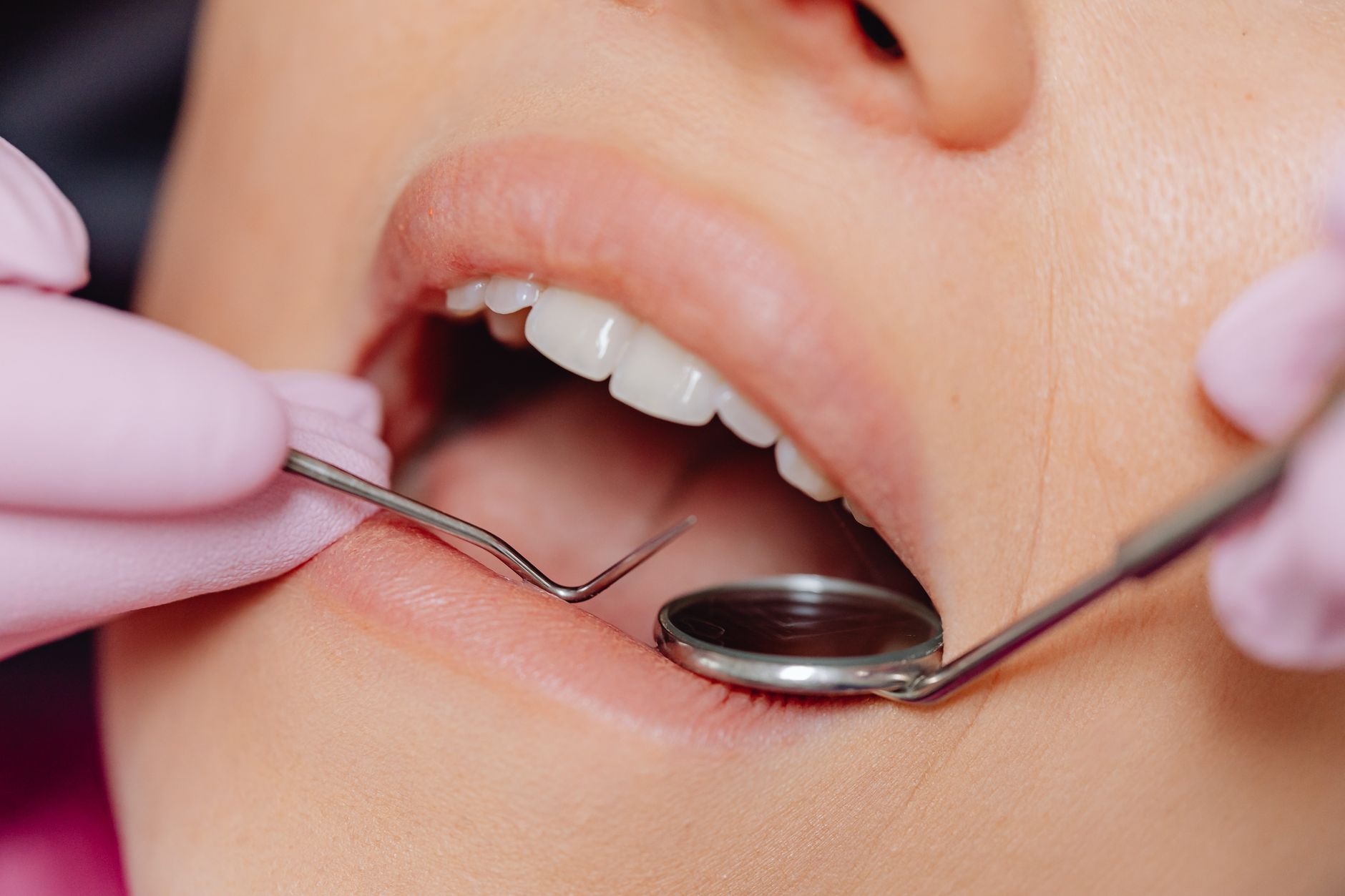
Discover the best options for replacing missing teeth, including dental implants, bridges, and dentures. Learn about pros, cons, costs, and when to see your dentist.
April 1, 2026

Learn about osteoarthritis (OA), a common joint condition. Understand its causes, symptoms, how it's diagnosed, and effective management strategies tailored for the Indian context, including lifestyle changes, medications, and when to consult a doctor.
April 1, 2026