

Free Helpline
We are here to assist you.
Health Advisor
+91-8877772277Available 7 days a week
10:00 AM – 6:00 PM to support you with urgent concerns and guide you toward the right care.

We are here to assist you.
Health Advisor
+91-8877772277Available 7 days a week
10:00 AM – 6:00 PM to support you with urgent concerns and guide you toward the right care.
Explore non-surgical treatments for scoliosis, including physical therapy, bracing, and pain management, with practical advice for Indian patients. Learn about symptoms, diagnosis, and when to consult a doctor.

Understanding Scoliosis and Non-Surgical Treatment Options Scoliosis, an abnormal curvature of the spine, affects millions worldwide, including a significant number in India. While severe cases often necessitate surgical intervention, many individuals can manage their condition effectively with non-surgical approaches. This guide aims to provide a comprehensive overview of these treatments, focusing on practical advice for Indian patients. What is Scoliosis? Scoliosis is a medical condition characterized by a sideways curvature of the spine. This curvature can range from mild to severe and is often diagnosed in childhood or adolescence. While the exact cause is unknown in many cases (idiopathic scoliosis), it can also be congenital (present at birth), neuromuscular (due to conditions like cerebral palsy or muscular dystrophy), or degenerative (developing in adulthood due to wear and tear). Symptoms of Scoliosis The symptoms of scoliosis can vary depending on the severity and location of the curve. Common signs include: Uneven shoulder blades or hips One shoulder higher than the other A visible curve or hump in the back Ribs protruding more on one side Back pain, especially in adults Fatigue In children, scoliosis might not cause pain and may only be noticed during a routine check-up or when clothes don't fit evenly. In adults, especially with degenerative scoliosis, back pain is a more common and significant symptom. Diagnosis of Scoliosis Diagnosing scoliosis typically involves a physical examination and imaging tests. A doctor will assess posture, check for spinal curvature, and may ask about family history. Imaging tests commonly used include: X-rays: These are essential for measuring the degree of spinal curvature (Cobb angle) and monitoring its progression. MRI scans: May be used to identify the underlying cause of scoliosis, especially if it's suspected to be related to a spinal cord issue or tumor. CT scans: Can provide detailed images of the bones. Early diagnosis is crucial for effective management, particularly in children and adolescents, to prevent the curve from worsening. Non-Surgical Treatment Options for Scoliosis For mild to moderate scoliosis, and in many cases of adult degenerative scoliosis, non-surgical treatments can be highly effective in managing symptoms, improving posture, and preventing the curve from progressing. These options are often preferred in India due to their accessibility and lower cost compared to surgery. 1. Physical Therapy and Exercise Physical therapy is a cornerstone of non-surgical scoliosis management. A qualified physiotherapist can design a personalized exercise program aimed at: Strengthening the core muscles that support the spine. Improving flexibility and range of motion. Correcting postural imbalances. Reducing pain and stiffness. Specific exercises might include stretching, strengthening routines, and exercises that focus on spinal alignment. Yoga and Pilates can also be beneficial, provided they are adapted for individuals with scoliosis and performed under expert guidance. 2. Bracing Bracing is a common treatment for growing children and adolescents with moderate scoliosis (typically between 20-40 degrees of curvature). The goal of a brace is not to correct the curve but to prevent it from worsening as the child grows. Braces are worn for a significant portion of the day, often 16-23 hours. There are different types of braces, and the choice depends on the location and severity of the curve. While bracing can be uncomfortable, it is a highly effective non-surgical method for preventing progression in young individuals. 3. Pain Management For adults experiencing pain due to scoliosis, various pain management strategies can be employed: Medications: Over-the-counter pain relievers like paracetamol or NSAIDs (e.g., ibuprofen) can help manage mild to moderate pain. In some cases, doctors may prescribe stronger pain medication or muscle relaxants. Injections: For localized pain, doctors might consider injections like epidural steroid injections or nerve blocks to reduce inflammation and pain. Heat and Cold Therapy: Applying heat or cold packs can provide temporary relief from muscle soreness and stiffness. 4. Alternative and Complementary Therapies While scientific evidence varies, some patients find relief through complementary therapies: Acupuncture: Some studies suggest acupuncture may help alleviate back pain associated with scoliosis. Chiropractic Care: Spinal manipulation by a chiropractor might offer some relief for certain individuals, but it's crucial to consult with a medical doctor before seeking chiropractic treatment for scoliosis. Massage Therapy: Can help relieve muscle tension and improve circulation, potentially reducing discomfort. It is essential to discuss these options with your doctor to ensure they are safe and appropriate for your specific condition. When to Consult a Doctor It is important to seek medical advice if you or your child exhibits any signs of scoliosis. Early detection and intervention can significantly impact the outcome. You should consult a doctor if you notice: A visible curve in the spine. Uneven shoulders, hips, or waist. Back pain that is persistent or worsening. Any changes in posture or gait. Regular check-ups, especially during childhood and adolescence, are vital for monitoring spinal health. For adults, any new or worsening back pain should be evaluated by a healthcare professional. Prevention and Lifestyle While scoliosis itself cannot always be prevented, maintaining good posture, engaging in regular physical activity, and ensuring adequate nutrition can contribute to overall spinal health. For those with scoliosis, adopting a healthy lifestyle can help manage symptoms and improve quality of life. This includes: Regular Exercise: As recommended by a physiotherapist. Healthy Diet: Rich in calcium and Vitamin D for bone health. Maintaining a Healthy Weight: To reduce stress on the spine. Avoiding Smoking: Smoking can negatively impact bone health and healing. Conclusion Scoliosis is a manageable
In summary, timely diagnosis, evidence-based treatment, and prevention-focused care improve long-term health outcomes.

Discover the common causes of a bump on your big toe, including bone spurs, bunions, bursitis, corns, and gout. Learn about symptoms, effective treatment options, and prevention strategies for relief.
April 1, 2026
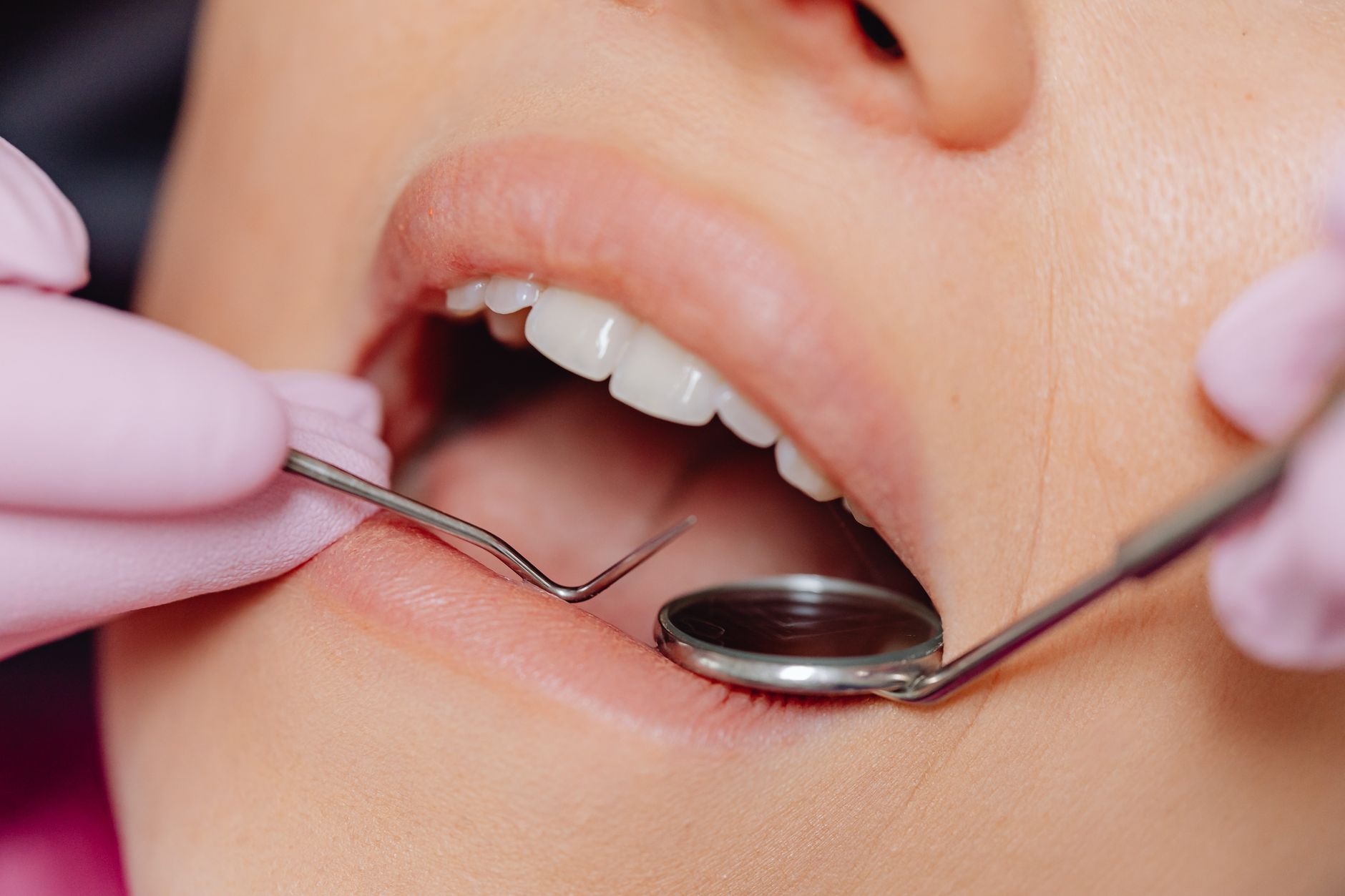
Discover the best options for replacing missing teeth, including dental implants, bridges, and dentures. Learn about pros, cons, costs, and when to see your dentist.
April 1, 2026

Learn about osteoarthritis (OA), a common joint condition. Understand its causes, symptoms, how it's diagnosed, and effective management strategies tailored for the Indian context, including lifestyle changes, medications, and when to consult a doctor.
April 1, 2026