

Free Helpline
We are here to assist you.
Health Advisor
+91-8877772277Available 7 days a week
10:00 AM – 6:00 PM to support you with urgent concerns and guide you toward the right care.

We are here to assist you.
Health Advisor
+91-8877772277Available 7 days a week
10:00 AM – 6:00 PM to support you with urgent concerns and guide you toward the right care.
A comprehensive guide to rotator cuff surgery recovery, including timelines, pain management, and rehabilitation for patients in India.

Understanding Rotator Cuff Surgery Recovery: A Detailed Guide for Indian Patients Rotator cuff tears are a common issue, especially among individuals in India who engage in physically demanding activities or experience age-related wear and tear. These tears can significantly impact daily life, causing pain, weakness, and a limited range of motion in the shoulder. When conservative treatments like rest, medication, and physiotherapy are insufficient, rotator cuff surgery becomes a necessary option. This guide provides a comprehensive overview of the recovery process following rotator cuff surgery, tailored for patients in India, covering what to expect, timelines, and essential care tips. What is the Rotator Cuff? The rotator cuff is a crucial group of four muscles and their tendons that surround the shoulder joint. These muscles originate from the shoulder blade (scapula) and attach to the upper arm bone (humerus). They play a vital role in stabilizing the shoulder and enabling a wide range of arm movements, including lifting and rotating the arm. Causes of Rotator Cuff Tears Rotator cuff tears can occur due to several factors: Acute Injury: A sudden fall, lifting a heavy object improperly, or a direct blow to the shoulder can cause a tear. Degenerative Tears: Over time, the rotator cuff tendons can weaken due to repetitive stress, poor blood supply, or age-related wear and tear. This is more common in individuals over 40. Overuse: Repetitive overhead activities, common in certain professions and sports, can strain the rotator cuff tendons, leading to tears. Poor Posture and Biomechanics: Incorrect body mechanics during activities can put undue stress on the shoulder. Symptoms of a Rotator Cuff Tear Symptoms can vary depending on the severity of the tear and may appear suddenly or develop gradually. Common signs include: Dull, persistent ache deep in the shoulder. Pain that worsens when lifting or rotating the arm, or when sleeping on the affected side. Weakness in the shoulder, making it difficult to perform everyday tasks like combing hair or reaching for objects. A clicking or popping sensation when moving the arm. Loss of range of motion. Rotator Cuff Surgery: What to Expect Rotator cuff surgery aims to repair torn tendons, reattaching them to the upper arm bone. The type of surgery depends on the size and nature of the tear. Common surgical approaches include: Arthroscopic Surgery: A minimally invasive procedure using a small camera (arthroscope) and specialized instruments inserted through small incisions. This often leads to quicker recovery and less scarring. Mini-Open Surgery: A combination of arthroscopic techniques and a small incision to perform the repair. Open Surgery: A larger incision is made to directly access and repair the torn tendon. This is typically used for larger or more complex tears. The Recovery Timeline: A Phased Approach Recovery after rotator cuff surgery is a gradual process that requires patience and adherence to medical advice. While individual timelines can vary, a general phased approach is observed: Phase 1: Immobilization (First 4-6 Weeks) Goal: Protect the repaired tendon and allow initial healing. Sling Use: You will likely wear a sling continuously for about 4 weeks, or as advised by your surgeon. This immobilizes the shoulder and prevents accidental movements that could disrupt the repair. No Driving: It is crucial not to drive while wearing a sling, as it impairs your ability to control the vehicle safely. Arrange for transportation assistance during this period. Activity Restrictions: Avoid lifting anything with the operated arm. Do not perform activities that require you to move your elbow away from or in front of your body. Gentle passive range of motion exercises may be prescribed by your physiotherapist. Pain Management: Pain is expected after surgery. Your doctor may prescribe pain medications, including opioids for short-term relief, NSAIDs for inflammation, and topical anesthetics. Cryotherapy (icing the shoulder) is also highly recommended to reduce swelling and pain. Phase 2: Early Motion and Strengthening (6 Weeks to 3 Months) Goal: Gradually restore range of motion and begin gentle strengthening. Sling Discontinuation: Once cleared by your surgeon, you will gradually discontinue the sling. Physiotherapy: This phase heavily relies on guided physiotherapy. Your physiotherapist will introduce passive and active-assisted range of motion exercises to regain flexibility. Gentle Strengthening: As healing progresses, light strengthening exercises will be introduced to rebuild muscle support around the shoulder. Daily Activities: You can start performing light daily activities without the sling, but still avoid heavy lifting or strenuous movements. Avoid pushing yourself out of chairs or bathtubs using excessive force on your shoulder. Phase 3: Progressive Strengthening and Return to Activity (3 to 6 Months) Goal: Regain full strength, endurance, and functional mobility. Intensified Physiotherapy: Exercises will become more challenging, focusing on building strength, endurance, and proprioception (the sense of joint position). Functional Movements: You will gradually return to more demanding daily activities. Return to Work/Sports: Depending on your occupation and activity level, you may be able to return to light work or non-contact sports around the 6-month mark. Phase 4: Full Recovery and Return to High-Demand Activities (6 Months Onwards) Goal: Achieve full strength, range of motion, and return to all desired activities. Advanced Strengthening: Continue with a tailored exercise program to ensure optimal strength and prevent re-injury. Contact Sports: Participation in contact sports is generally advised only after 9-12 months post-surgery, once full strength and confidence are restored. Long-Term Outlook: Most individuals regain significant strength and mobility within 4-6 months. However, full recovery, especially for larger tears or those
In summary, timely diagnosis, evidence-based treatment, and prevention-focused care improve long-term health outcomes.

Discover the common causes of a bump on your big toe, including bone spurs, bunions, bursitis, corns, and gout. Learn about symptoms, effective treatment options, and prevention strategies for relief.
April 1, 2026
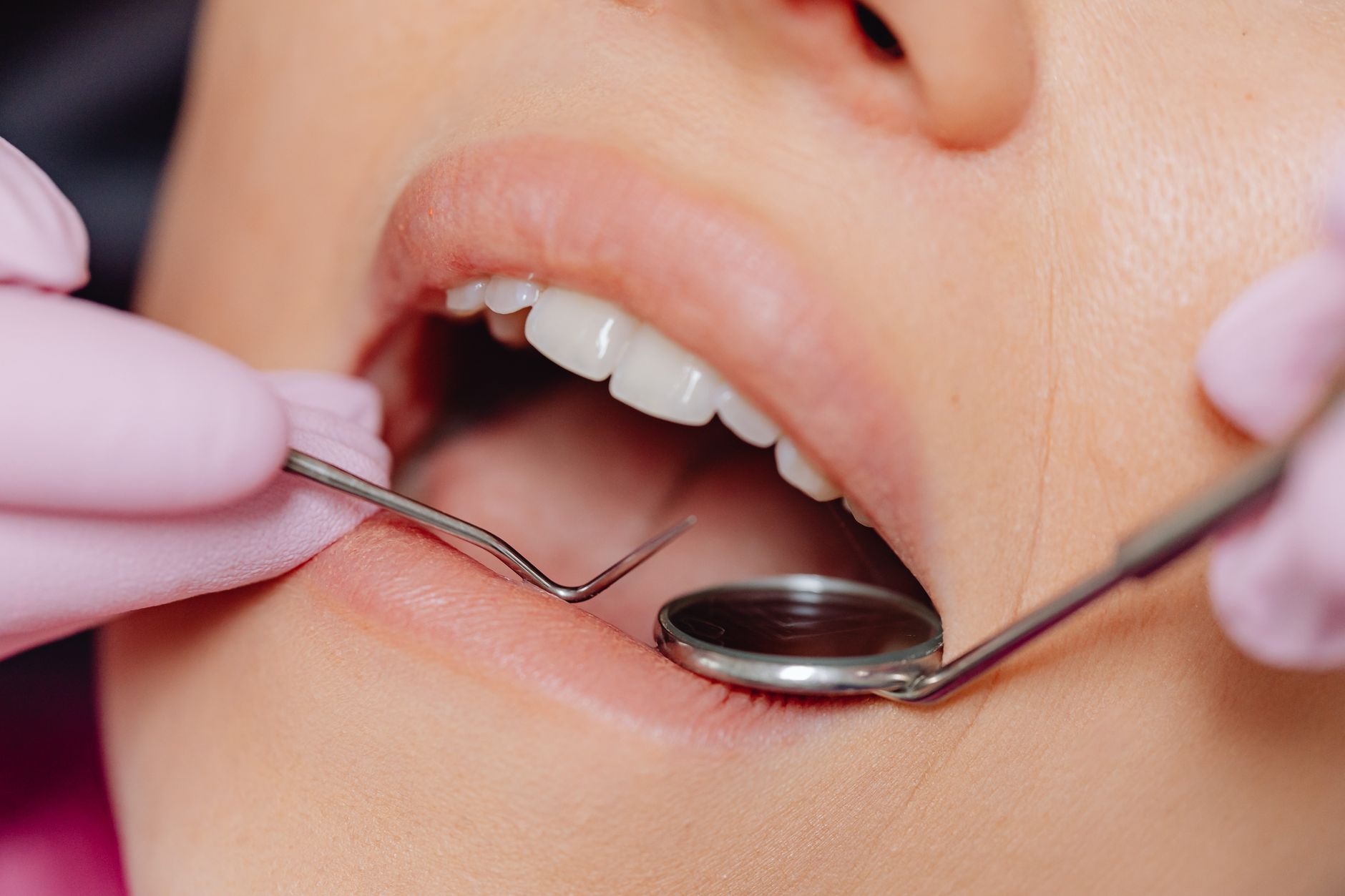
Discover the best options for replacing missing teeth, including dental implants, bridges, and dentures. Learn about pros, cons, costs, and when to see your dentist.
April 1, 2026

Learn about osteoarthritis (OA), a common joint condition. Understand its causes, symptoms, how it's diagnosed, and effective management strategies tailored for the Indian context, including lifestyle changes, medications, and when to consult a doctor.
April 1, 2026