

Free Helpline
We are here to assist you.
Health Advisor
+91-8877772277Available 7 days a week
10:00 AM – 6:00 PM to support you with urgent concerns and guide you toward the right care.

We are here to assist you.
Health Advisor
+91-8877772277Available 7 days a week
10:00 AM – 6:00 PM to support you with urgent concerns and guide you toward the right care.
Explore the benefits and risks of using hot tubs for rheumatoid arthritis. Learn about pain relief, improved mobility, and essential safety tips for managing RA symptoms.

Understanding Rheumatoid Arthritis and the Role of Hot Tubs Rheumatoid arthritis (RA) is a chronic autoimmune condition that can significantly impact a person's quality of life, particularly affecting joint mobility and causing discomfort. In this condition, the body's immune system mistakenly attacks its own healthy tissues, primarily targeting the joints. This leads to inflammation, pain, stiffness, and swelling, making everyday activities challenging. Many individuals living with RA seek various methods to manage their symptoms and improve their well-being. One such therapy that has gained attention is soaking in a hot tub. This article explores the potential benefits, risks, and essential best practices for using a hot tub when you have rheumatoid arthritis, offering practical advice for Indian readers. What is Rheumatoid Arthritis? Rheumatoid arthritis is an autoimmune disease where the immune system attacks the synovium, the lining of the membranes that surround your joints. This attack causes inflammation that can eventually lead to the erosion of cartilage and bone within the joint. RA is a systemic disease, meaning it can also cause inflammation in other parts of the body, such as the skin, eyes, lungs, heart, and blood vessels. Key Symptoms of Rheumatoid Arthritis: Joint Pain and Swelling: Typically affects smaller joints first, like those in the hands and feet, before spreading to larger joints. Stiffness: Morning stiffness that lasts for more than 30 minutes is a hallmark symptom. Fatigue: A persistent feeling of tiredness and lack of energy. Loss of Appetite and Weight Loss: General malaise can lead to these symptoms. Fever: Low-grade fever may occur during active inflammation. Potential Benefits of Hot Tub Soaking for Rheumatoid Arthritis While research specifically on hot tubs and RA is limited, the principles of hydrotherapy (water-based therapy) suggest several potential benefits: 1. Pain Relief and Muscle Relaxation: The warm water in a hot tub can help relax tense muscles and soothe aching joints. This can lead to a reduction in discomfort and make movement feel easier. Soaking for about 15-20 minutes may be sufficient to experience these effects. 2. Improved Joint Mobility and Flexibility: The buoyancy of water reduces the pressure on your joints. This decreased pressure allows for a greater range of motion, making it easier to move your joints more freely and comfortably. This is crucial for individuals with RA who often struggle with stiffness. 3. Reduced Inflammation and Swelling: Some studies, including a 2018 study on spa therapy for RA patients, suggest that hydrotherapy might help reduce joint inflammation, tenderness, and swelling. The warmth and gentle pressure can aid in improving circulation, which may contribute to reducing inflammation. 4. Enhanced Sleep Quality: For many people, chronic pain can disrupt sleep. Relaxing in a warm hot tub before bedtime can help calm the body and mind, potentially leading to better sleep quality. Improved sleep can, in turn, help manage pain and fatigue. Risks and Side Effects of Hot Tub Use for RA While hot tubs can offer relief, it's essential to be aware of potential risks, especially for individuals with RA who may have a compromised immune system or other health considerations: 1. Overheating: Spending too much time in a hot tub or using water that is too hot can lead to overheating. This is particularly concerning for individuals with RA, as it can exacerbate symptoms or lead to dehydration. It's crucial to monitor the water temperature and duration of your soak. 2. Infections: Individuals with RA often have a weakened immune system, making them more susceptible to infections. If a hot tub is not properly maintained, it can harbor bacteria like Cryptosporidium or Legionella , which can cause serious infections. Ensuring the hot tub is clean and well-sanitized is paramount. 3. Dehydration: The heat from the hot tub can cause your body to lose fluids through sweating. This can lead to dehydration if you don't replenish your fluids adequately. Drinking plenty of water before, during, and after your soak is essential. 4. Skin Irritation: Some individuals may experience skin irritation or allergic reactions to the chemicals used to maintain the hot tub's water quality. If you have sensitive skin or known allergies, be cautious and ensure the water is properly treated. Best Practices for Using a Hot Tub with Rheumatoid Arthritis To maximize the benefits and minimize the risks, follow these guidelines: 1. Consult Your Doctor: Before starting any new therapy, including hot tub use, it is crucial to consult with your rheumatologist or healthcare provider. They can advise you on whether it's safe for your specific condition and any precautions you should take. 2. Monitor Water Temperature: Keep the water temperature between 92°F and 98°F (33°C to 37°C). Avoid excessively hot temperatures, which can be dangerous. 3. Limit Session Duration: Start with shorter sessions, around 15-20 minutes. Listen to your body and gradually increase the time if you feel comfortable, but avoid prolonged soaking. Shorter, more frequent sessions might be more beneficial than one long session. 4. Stay Hydrated: Drink plenty of water before, during, and after your hot tub session to prevent dehydration. Avoid alcohol and caffeine, as they can contribute to dehydration. 5. Maintain Hygiene: Ensure the hot tub is clean and properly maintained. If you are using a public hot tub, check its cleanliness and maintenance records if possible. At home, follow regular cleaning and chemical balancing protocols. 6. Positioning and Gentle Exercises: Find a comfortable position that minimizes pressure on your affected joints. While
In summary, timely diagnosis, evidence-based treatment, and prevention-focused care improve long-term health outcomes.

Discover the common causes of a bump on your big toe, including bone spurs, bunions, bursitis, corns, and gout. Learn about symptoms, effective treatment options, and prevention strategies for relief.
April 1, 2026
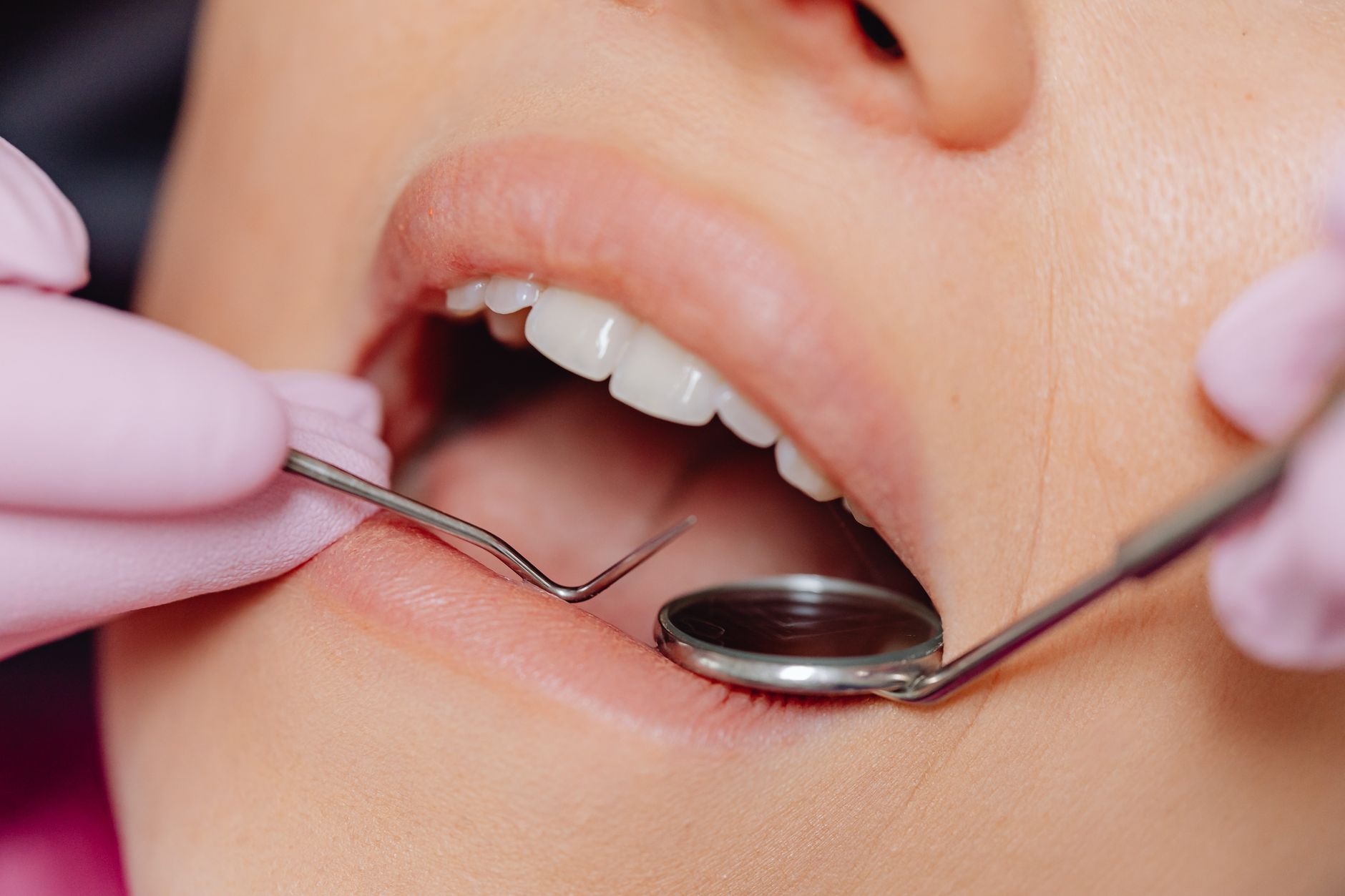
Discover the best options for replacing missing teeth, including dental implants, bridges, and dentures. Learn about pros, cons, costs, and when to see your dentist.
April 1, 2026

Learn about osteoarthritis (OA), a common joint condition. Understand its causes, symptoms, how it's diagnosed, and effective management strategies tailored for the Indian context, including lifestyle changes, medications, and when to consult a doctor.
April 1, 2026