

Free Helpline
We are here to assist you.
Health Advisor
+91-8877772277Available 7 days a week
10:00 AM – 6:00 PM to support you with urgent concerns and guide you toward the right care.

We are here to assist you.
Health Advisor
+91-8877772277Available 7 days a week
10:00 AM – 6:00 PM to support you with urgent concerns and guide you toward the right care.
Learn the key differences between reactive arthritis and septic arthritis, including their symptoms, causes, diagnosis, and treatment, to understand these infection-related joint conditions better.

Understanding the Differences Between Reactive Arthritis and Septic Arthritis Arthritis is a common condition that affects millions worldwide, characterized by joint inflammation leading to pain, stiffness, and reduced mobility. While there are over 100 types of arthritis, two specific types that are often confused due to their association with infections are reactive arthritis and septic arthritis. Although both are triggered by infections, their causes, symptoms, diagnosis, and treatment approaches differ significantly. This article aims to clarify these distinctions, providing essential information for individuals in India seeking to understand these conditions better. What is Reactive Arthritis? Reactive arthritis is a form of inflammatory arthritis that develops in response to an infection elsewhere in the body. Typically, these infections occur in the digestive tract, urinary tract, or genitals. The symptoms of reactive arthritis usually manifest about one to six weeks after the initial infection, often appearing suddenly. While it can affect anyone, men aged 40 and younger are most commonly affected. Certain factors, such as carrying the immune-related gene HLA-B27 or having an HIV infection, can increase the risk. Other health conditions like rheumatoid arthritis, osteoarthritis, type 2 diabetes, or infections like gonorrhea can also be associated with reactive arthritis. Symptoms of Reactive Arthritis The symptoms of reactive arthritis often affect the larger joints in the lower body, such as the knees and ankles, and may be present on one side of the body. Common joint-related symptoms include: Joint pain, often worse at night. Joint stiffness, particularly noticeable in the morning. Tendinitis, which is inflammation of the tendons near the affected joints. Enthesitis, inflammation where tendons attach to bone, which can cause heel or foot pain. Dactylitis, a condition where fingers or toes become swollen and inflamed, often described as 'sausage digits'. Beyond the joints, reactive arthritis can also impact other parts of the body. Symptoms in these areas may include: Eye inflammation (conjunctivitis or uveitis), causing redness, pain, and blurred vision. Urinary tract inflammation (urethritis), leading to pain or burning during urination. Skin rashes, particularly on the soles of the feet and palms of the hands. In most cases, reactive arthritis resolves within 6 to 18 months. However, some individuals may develop chronic arthritis in the affected joints, and symptoms can recur with subsequent infections. What is Septic Arthritis? Septic arthritis, also known as infectious arthritis, occurs when an infection spreads to a joint from another part of the body through the bloodstream. It can also result from a direct infection, such as through an injection into the joint or an open wound. Septic arthritis typically affects a single joint, most commonly a large one like the knee or hip, though in rarer cases, multiple or smaller joints can be involved. The onset of symptoms is usually rapid. Symptoms of Septic Arthritis The hallmark symptoms of septic arthritis are: Severe joint pain and tenderness. Significant swelling and redness around the affected joint. Warmth over the affected joint. Fever and chills. Difficulty moving the affected joint. Septic arthritis is a medical emergency. If you suspect septic arthritis due to sudden joint pain and swelling accompanied by fever or chills, seek immediate medical attention. Prompt treatment is crucial to prevent permanent joint damage. Causes and Risk Factors Causes of Reactive Arthritis Reactive arthritis is triggered by a bacterial infection, most commonly affecting the digestive system (e.g., Salmonella, Shigella, Campylobacter), urinary tract, or genitals (e.g., Chlamydia). The exact mechanism is believed to be an autoimmune response. The immune system, in its attempt to fight the infection, mistakenly attacks the body's own tissues, including the joints, because these tissues share similar markers with the bacteria. This leads to inflammation in the joints and other affected areas. Causes of Septic Arthritis Septic arthritis is caused by the direct invasion of a joint by bacteria, viruses, or fungi. Bacteria are the most common culprits. The infection can spread to the joint from an infection elsewhere in the body, such as a urinary tract infection, pneumonia, or a skin infection. It can also occur following joint surgery, injections, or trauma that breaches the joint's protective barrier. Diagnosis Diagnosing both reactive and septic arthritis involves a thorough medical history, physical examination, and specific tests: Medical History and Physical Exam: Doctors will inquire about recent infections, joint pain, swelling, fever, and other symptoms. Joint Fluid Analysis: This is a critical test. A needle is used to withdraw fluid from the affected joint. The fluid is then analyzed to detect the presence of bacteria, white blood cells (indicating infection or inflammation), and other markers. For septic arthritis, the fluid will typically show a high count of white blood cells and may contain the causative bacteria. For reactive arthritis, the fluid may show inflammation but usually no bacteria. Blood Tests: Blood tests can help detect signs of infection or inflammation (e.g., elevated white blood cell count, C-reactive protein) and can also be used to test for specific bacteria or antibodies. Testing for the HLA-B27 gene may be done for suspected reactive arthritis. Imaging Tests: X-rays, ultrasounds, or MRI scans may be used to assess the extent of joint damage, inflammation, or fluid buildup. Treatment Treatment for Reactive Arthritis The primary goals of treating reactive arthritis are to manage symptoms and address the underlying infection if it's still active: Antibiotics: If a bacterial infection (like Chlamydia) is still present, antibiotics will be prescribed. However, antibiotics are generally not effective for reactive arthritis once
In summary, timely diagnosis, evidence-based treatment, and prevention-focused care improve long-term health outcomes.

Discover the common causes of a bump on your big toe, including bone spurs, bunions, bursitis, corns, and gout. Learn about symptoms, effective treatment options, and prevention strategies for relief.
April 1, 2026
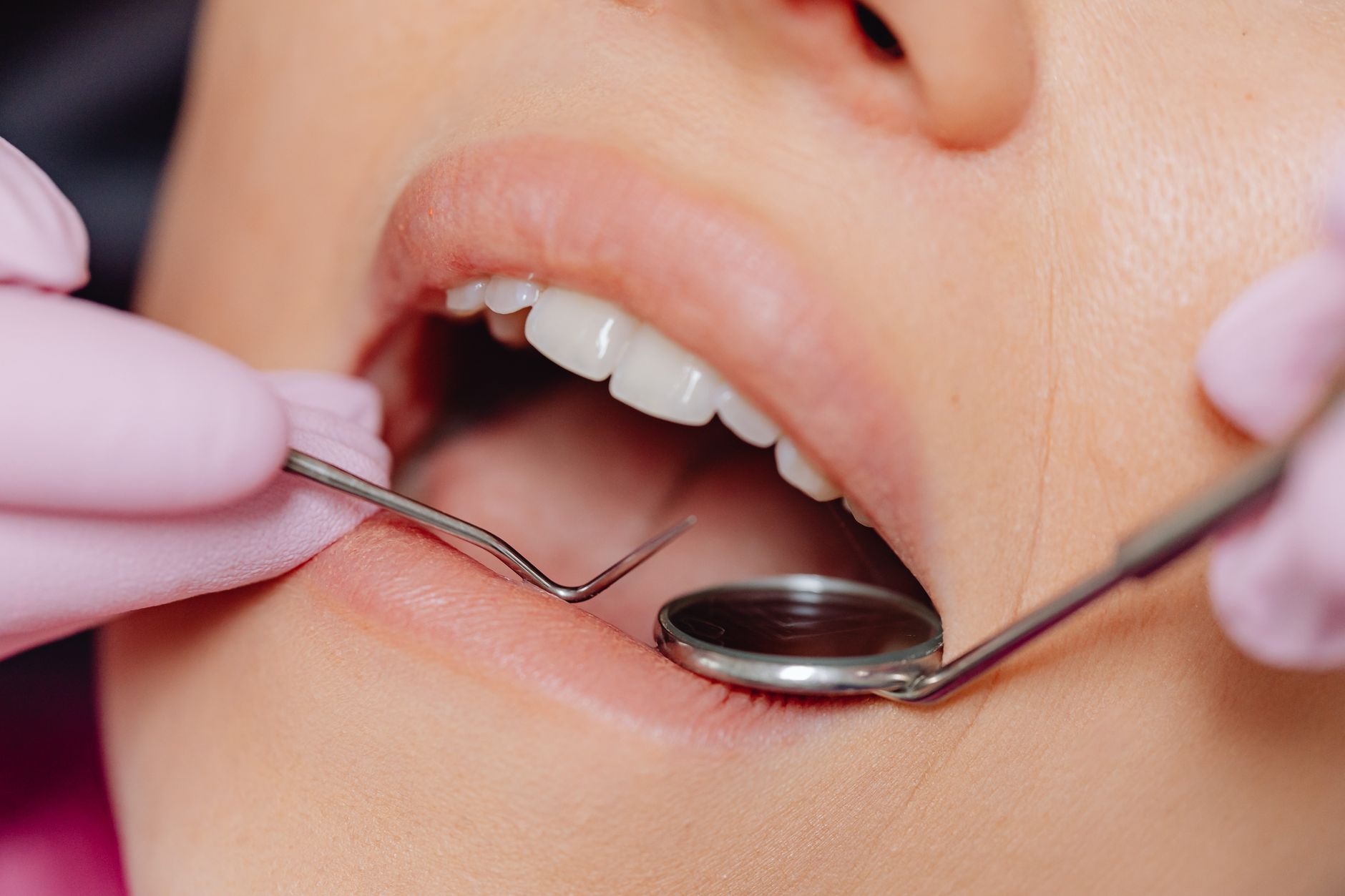
Discover the best options for replacing missing teeth, including dental implants, bridges, and dentures. Learn about pros, cons, costs, and when to see your dentist.
April 1, 2026

Learn about osteoarthritis (OA), a common joint condition. Understand its causes, symptoms, how it's diagnosed, and effective management strategies tailored for the Indian context, including lifestyle changes, medications, and when to consult a doctor.
April 1, 2026