

Free Helpline
We are here to assist you.
Health Advisor
+91-8877772277Available 7 days a week
10:00 AM – 6:00 PM to support you with urgent concerns and guide you toward the right care.

We are here to assist you.
Health Advisor
+91-8877772277Available 7 days a week
10:00 AM – 6:00 PM to support you with urgent concerns and guide you toward the right care.
Learn about Prolia (denosumab), a prescription injection for osteoporosis and bone loss. Understand its uses, how it works, side effects, and important considerations for Indian patients.

Osteoporosis. The word itself sounds fragile, doesn't it? It's a condition that silently weakens bones, making them brittle and susceptible to fractures. For millions, especially as we age, this becomes a significant health concern. But what if there was a way to actively combat this bone loss, to strengthen your skeletal foundation? Enter Prolia, a prescription medication designed to do just that. If you or a loved one are facing osteoporosis or are at high risk for bone fractures, understanding treatments like Prolia is paramount. This article aims to demystify Prolia, explaining what it is, how it works, who might benefit, and what to expect during treatment. We'll cover its uses, potential side effects, and the importance of professional medical guidance. What is Prolia? Prolia, with the active ingredient denosumab, is a groundbreaking medication in the fight against osteoporosis and other bone-weakening conditions. It's not a pill you swallow; instead, it's administered as an injection just beneath the skin. Think of it as a targeted therapy that specifically addresses the processes that lead to bone loss. It belongs to a class of drugs called RANK ligand inhibitors. In simpler terms, it works by blocking a specific protein (RANKL) that plays a key role in breaking down bone tissue. By inhibiting this protein, Prolia helps to slow down the rate at which your bones lose density, thereby increasing bone strength and reducing the risk of fractures. Who Can Benefit from Prolia? Prolia isn't for everyone. It's a prescription medication, meaning a doctor must deem it appropriate for your specific health situation. Generally, Prolia is prescribed for adults who are at a high risk of breaking a bone. This includes: Postmenopausal women with osteoporosis: This is a very common group, as bone density naturally decreases after menopause. Men with osteoporosis: While less common than in women, men can also develop osteoporosis. Individuals taking certain steroid medications: Long-term use of corticosteroids like prednisone can significantly weaken bones. Men and women with bone loss due to certain cancer treatments: Treatments for conditions like prostate cancer or breast cancer can sometimes lead to bone density loss. Adults with other conditions leading to bone loss: Your doctor will assess your individual risk factors. It's essential to have an open conversation with your doctor about your medical history, including any existing conditions and other medications you're taking, to determine if Prolia is the right choice for you. How Does Prolia Work? To truly appreciate Prolia, let's briefly touch upon how our bones function. Our bones are living tissues, constantly undergoing a process of renewal. Old bone tissue is broken down (a process called resorption), and new bone tissue is formed. In conditions like osteoporosis, this balance is disrupted; bone resorption happens faster than bone formation, leading to weaker, more porous bones. Prolia steps in by targeting a key player in bone resorption: RANKL. By binding to RANKL, Prolia prevents it from signaling to the cells responsible for breaking down bone (osteoclasts). This effectively slows down the rate of bone breakdown. The result? Your bones can maintain their density and strength for longer, significantly reducing the likelihood of fractures. The Prolia Injection: What to Expect Forget daily pills or frequent injections. One of the significant advantages of Prolia is its convenient dosing schedule. You'll receive a Prolia injection administered by a healthcare professional once every six months . Yes, you read that right – just twice a year! The injection is given under the skin, typically in the upper arm, thigh, or abdomen. Your doctor's office will schedule your appointments, and they will administer the dose. The drug is designed to remain in your system and continue its work of slowing bone breakdown throughout those six months. If you miss an appointment, it's crucial to contact your doctor's office as soon as possible to reschedule your dose. Prompt administration is key to maintaining the protective effects of the medication. Potential Side Effects of Prolia Like all medications, Prolia can cause side effects. While many people tolerate it well, it's vital to be aware of the possibilities. Your doctor will discuss these with you in detail, but here's a general overview: Common Mild Side Effects: These are generally not severe and may disappear on their own: Cold symptoms: A runny nose, cough, or sore throat might occur. Pain in arms or legs: You might experience some discomfort in your limbs. Urinary tract infections (UTIs): While more common as a serious side effect, mild UTIs can also occur. Muscle or joint pain: General aches and pains can sometimes be a side effect. Leg cramps: Spasms in your leg muscles. If any of these mild side effects become bothersome or persist, don't hesitate to talk to your doctor or pharmacist. Serious Side Effects (Less Common but Important to Know): These require immediate medical attention: Serious Infections: Prolia can sometimes increase the risk of serious infections, including skin infections and UTIs. Look out for signs like fever, chills, persistent cough, pain or burning during urination, or redness, swelling, and pain in the skin. Unusual Bone Fractures: While Prolia aims to prevent fractures, there have been reports of unusual breaks, particularly in the thigh bone (femur). You might experience new or unusual pain in your hip, thigh, or groin before a fracture occurs. Jaw Problems (Osteonecrosis of the Jaw - ONJ): This is a rare but serious side effect affecting the jawbone. Symptoms can include jaw pain, swelling, numbness, loose teeth, or a sore that doesn't heal. Good oral hygiene is essential, and you should inform your dentist that you are taking Prolia. Severe Allergic Reactions: Though uncommon, severe allergic reactions can happen. Symptoms might include hives, difficulty breathing, swelling of the face, lips, tongue, or throat, and dizziness. If you suspect a severe allergic reaction, call emergency services immediately. Low Calcium Levels (Hypocalcemia): Prolia can sometimes lower calcium levels in your blood. Symptoms can include muscle spasms or twitches, numbness or tingling in your fingers or toes, and irregular heartbeats. Severe Joint, Bone, or Muscle Pain: While mild pain can occur, sudden or severe pain warrants medical evaluation. If you experience any serious side effects, contact your doctor immediately. If you believe you are having a medical emergency, call 911 or your local emergency number. Important Considerations Before and During Prolia Treatment Before you start Prolia, your doctor will likely: Assess your calcium and vitamin D levels: Adequate calcium and vitamin D are crucial for bone health and are often supplemented alongside Prolia. Discuss your medical history: Be sure to mention any kidney problems, infections, dental issues, or history of allergic reactions. Advise on oral hygiene: Regular dental check-ups and good oral hygiene are vital, especially due to the risk of ONJ. Inform your dentist about Prolia. Discuss pregnancy and breastfeeding: Prolia should not be used during pregnancy and effective birth control is recommended during treatment and for at least 5 months after stopping Prolia. Consult your doctor about breastfeeding. Stopping Prolia Treatment This is a critical point. While Prolia offers significant benefits, stopping treatment can increase the risk of fractures, particularly multiple spine fractures. The drug's effects on bone resorption can persist for some time after the last injection. Therefore, if you are considering stopping Prolia, it is absolutely essential to discuss this thoroughly with your doctor. They can help you understand the risks and potentially transition you to another treatment to maintain bone density and prevent fractures. Prolia vs. Other Osteoporosis Treatments You might wonder how Prolia compares to other osteoporosis medications. One key difference lies in the administration. Many other treatments, like bisphosphonates, are taken orally (pills) or as IV infusions. Forteo, for example, is another injectable medication, but it's typically a daily self-injection, whereas Prolia is given every six months by a healthcare professional. Prolia's mechanism of action (blocking RANKL) is also distinct from bisphosphonates, which work by slowing down the cells that break down bone without directly blocking the signaling pathway. Your doctor will choose the best treatment based on your individual needs, medical history, and risk factors. Frequently Asked Questions (FAQ) Q1: How long does Prolia stay in my system? While you receive an injection every six months, the drug's effects on slowing bone breakdown continue throughout that period and can persist for some time afterward. Discuss the duration of therapy with your doctor. Q2: Can I take Prolia if I have kidney problems? Prolia is generally considered safe for individuals with kidney problems, and dose adjustments are not typically needed. However, always inform your doctor about your kidney health. Q3: What happens if I stop taking Prolia? Stopping Prolia can lead to a rapid loss of bone density and an increased risk of fractures, especially in the spine. It's crucial to consult your doctor before discontinuing treatment. Q4: Is Prolia a cancer drug? No, Prolia is not a cancer drug. It is used to treat osteoporosis and bone loss. However, denosumab (the active ingredient in Prolia) is also used in a different formulation and dosage
In summary, timely diagnosis, evidence-based treatment, and prevention-focused care improve long-term health outcomes.

Discover the common causes of a bump on your big toe, including bone spurs, bunions, bursitis, corns, and gout. Learn about symptoms, effective treatment options, and prevention strategies for relief.
April 1, 2026
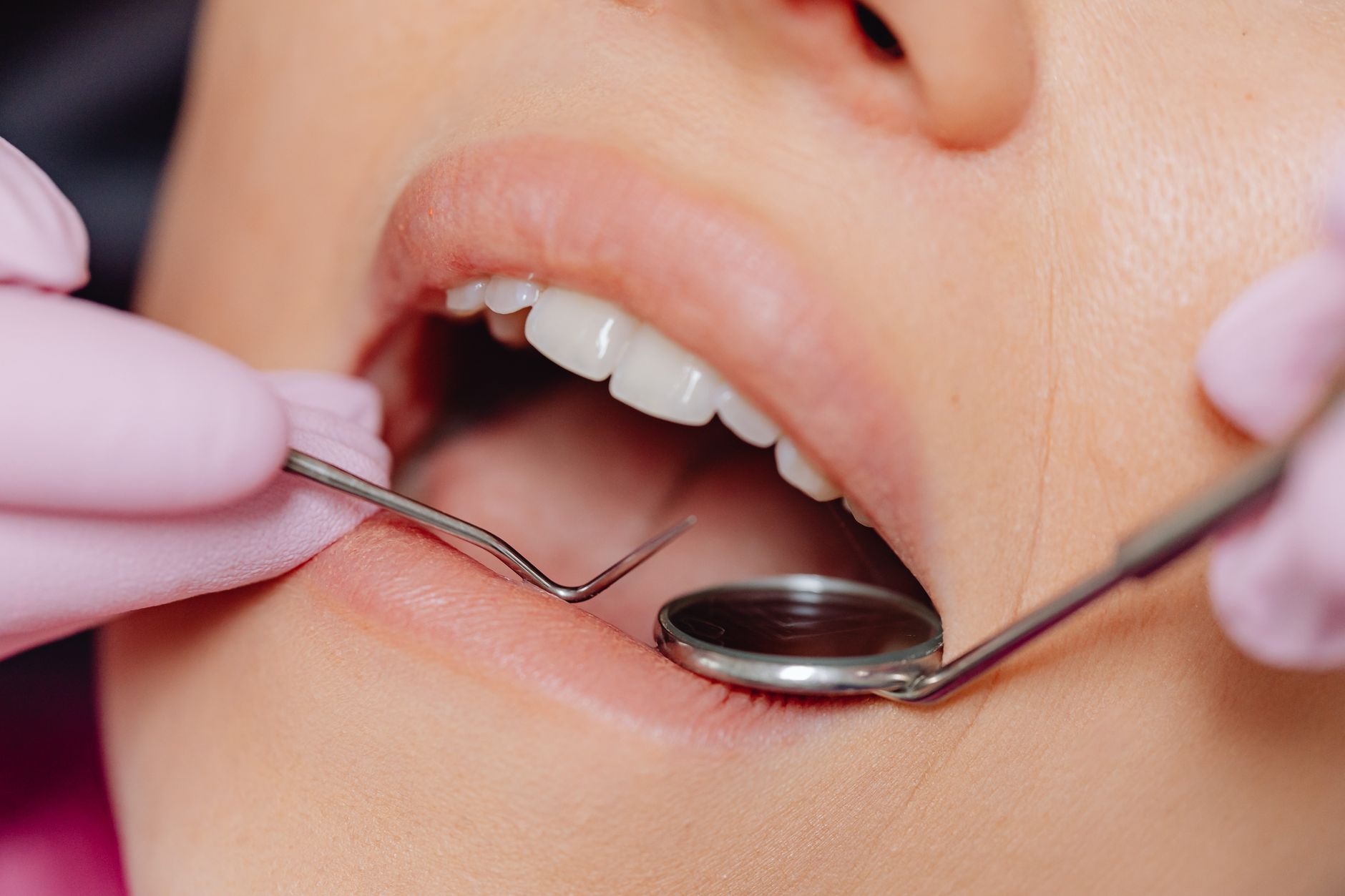
Discover the best options for replacing missing teeth, including dental implants, bridges, and dentures. Learn about pros, cons, costs, and when to see your dentist.
April 1, 2026

Learn about osteoarthritis (OA), a common joint condition. Understand its causes, symptoms, how it's diagnosed, and effective management strategies tailored for the Indian context, including lifestyle changes, medications, and when to consult a doctor.
April 1, 2026