

Free Helpline
We are here to assist you.
Health Advisor
+91-8877772277Available 7 days a week
10:00 AM – 6:00 PM to support you with urgent concerns and guide you toward the right care.

We are here to assist you.
Health Advisor
+91-8877772277Available 7 days a week
10:00 AM – 6:00 PM to support you with urgent concerns and guide you toward the right care.
Learn about mild scoliosis, its symptoms, causes, diagnosis, and management. Discover how to live a normal life with this condition.

What is Mild Scoliosis? Scoliosis is a medical condition characterized by an abnormal sideways curvature of the spine. Instead of a straight line, the spine may appear as an 'S' or 'C' shape. The severity of scoliosis is measured using the Cobb angle, which is determined through X-rays. Mild scoliosis specifically refers to a spinal curvature that ranges between 10 and 20 degrees. While this may sound like a small deviation, it's important to understand what it entails and how it's managed, especially for individuals in India where awareness and access to specialized care can vary. In many cases, particularly with mild scoliosis, individuals may not experience any noticeable symptoms. This can lead to a delayed diagnosis or a feeling that the condition is not significant. However, regular monitoring is crucial because even mild curves have the potential to progress, especially during periods of rapid growth, such as adolescence. Symptoms of Mild Scoliosis One of the defining characteristics of mild scoliosis is the frequent absence of symptoms. Many people with a spinal curve between 10 and 20 degrees live their lives without experiencing any pain or discomfort. However, as the curve progresses or in certain individuals, some subtle signs might become apparent: Uneven Shoulders: One shoulder may appear higher than the other. Uneven Waistline: One hip may seem higher or more prominent than the other, leading to an uneven waist. Body Leaning to One Side: The person might unconsciously lean to one side to compensate for the spinal curve. Head Not Centered: The head may not appear to be perfectly centered above the pelvis. Rib Hump: In some cases, especially when bending forward, one side of the rib cage may appear more prominent than the other. It's important to note that these symptoms can also be indicative of other conditions, making a professional diagnosis essential. Causes of Scoliosis The exact cause of scoliosis is not always clear. In about 80% of cases, the cause is unknown, and this is termed 'idiopathic scoliosis'. This type is believed to have a genetic component, meaning it can run in families, and may also involve factors related to cell structure or hormonal influences. Idiopathic scoliosis is impossible to prevent. However, there are other known causes of scoliosis: Congenital Scoliosis: This occurs when the vertebrae (bones of the spine) do not form properly in the womb before birth. Neuromuscular Scoliosis: This type is associated with other medical conditions that affect the nerves and muscles, such as cerebral palsy or muscular dystrophy. These conditions can weaken the muscles that support the spine, leading to a curve. Degenerative Scoliosis: This form develops later in life due to the wear and tear on the spine, often associated with aging. Conditions like osteoporosis (weakening of bones) and arthritis can contribute to degenerative scoliosis. Other Causes: Spinal cord injuries or spinal tumors can also lead to scoliosis. For mild scoliosis, idiopathic is the most common category, and it's often discovered during routine check-ups or when parents notice subtle changes in their child's posture. Diagnosis of Scoliosis Diagnosing scoliosis typically involves a combination of physical examination and imaging tests: Physical Examination: A doctor will examine the patient's back, shoulders, hips, and posture. They may ask the patient to bend forward (Adam's forward bend test) to observe for any asymmetry in the rib cage or waistline. X-rays: X-rays are the primary tool for diagnosing scoliosis. They allow doctors to visualize the spine and measure the Cobb angle, which quantifies the degree of curvature. This measurement is crucial for classifying the severity of scoliosis (mild, moderate, or severe). Other Imaging Tests: In some cases, an MRI or CT scan might be recommended to get a more detailed view of the spinal cord, nerves, or bone structure, especially if congenital or neuromuscular causes are suspected. Treatment for Mild Scoliosis The treatment approach for mild scoliosis is generally conservative and focuses on monitoring the condition to ensure it doesn't worsen. The primary goal is to maintain quality of life and prevent progression to more severe stages. Observation and Monitoring For most individuals with mild scoliosis (10-20 degrees), the recommended course of action is regular observation. This involves: Regular Doctor Visits: Scheduled check-ups with a doctor, usually an orthopedic specialist, are essential. The frequency of these visits will depend on the patient's age and the specific characteristics of the curve. Periodic X-rays: Doctors will likely recommend periodic X-rays to track the spinal curve. This helps in identifying any progression, especially during growth spurts in children and adolescents. Pain Management If mild scoliosis causes any discomfort or back pain, over-the-counter (OTC) pain relievers like ibuprofen or paracetamol can be effective in managing the symptoms. However, these medications do not correct the curve itself. Bracing Bracing is typically not recommended for mild scoliosis unless there is a significant risk of progression. Braces are more commonly used for moderate curves (20-40 degrees) in growing children and adolescents to prevent the curve from worsening. While braces can be effective, they can also present challenges related to comfort, body image, and self-esteem, which support groups can help address. Surgery Surgery is rarely, if ever, considered for mild scoliosis. It is reserved for severe curves or cases where the curve is rapidly progressing and causing significant health issues, such as breathing difficulties or severe pain. Alternative Therapies While some individuals explore alternative therapies like osteopathy or chiropractic care, there is limited reliable
In summary, timely diagnosis, evidence-based treatment, and prevention-focused care improve long-term health outcomes.

Discover the common causes of a bump on your big toe, including bone spurs, bunions, bursitis, corns, and gout. Learn about symptoms, effective treatment options, and prevention strategies for relief.
April 1, 2026
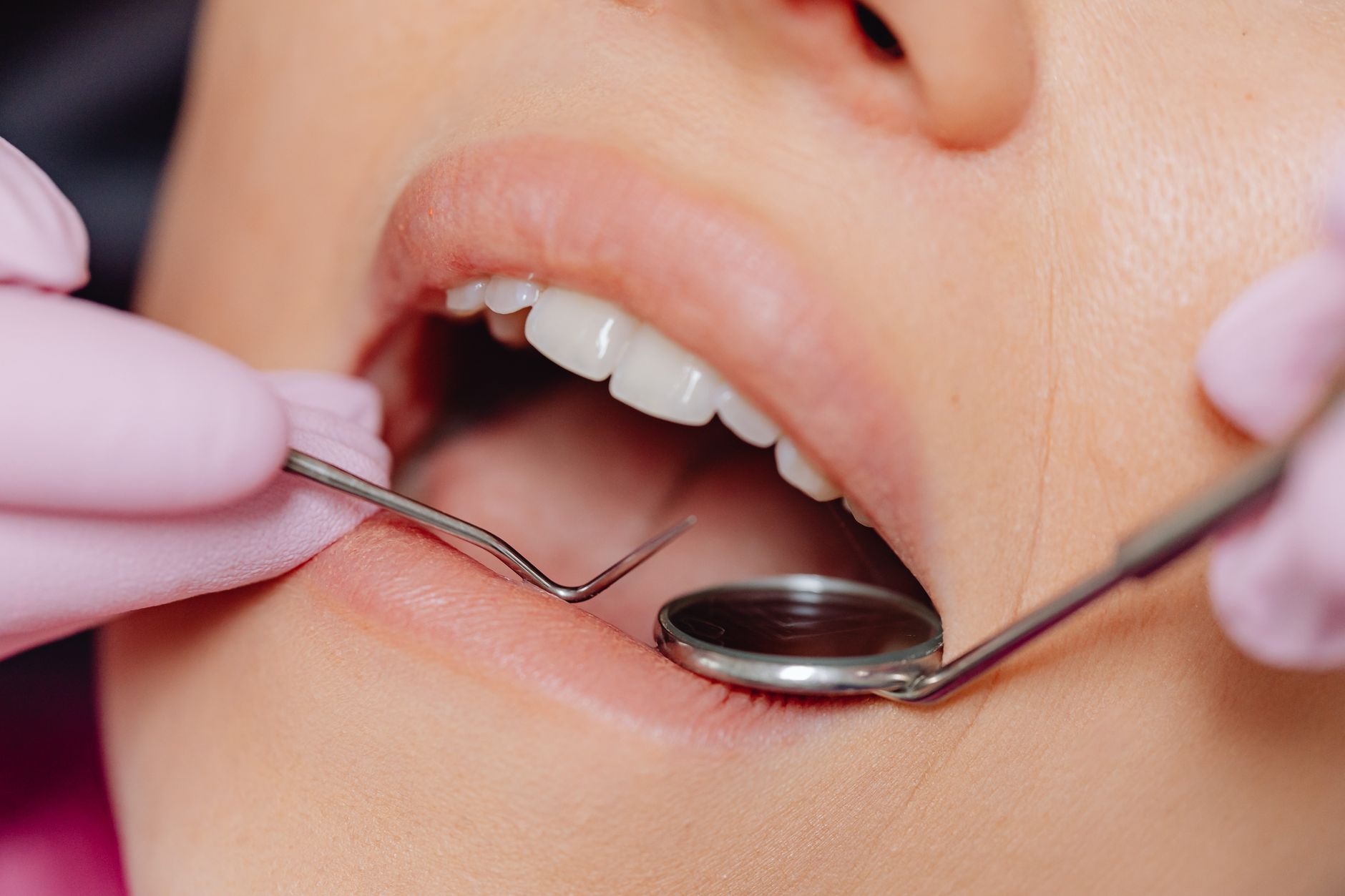
Discover the best options for replacing missing teeth, including dental implants, bridges, and dentures. Learn about pros, cons, costs, and when to see your dentist.
April 1, 2026

Learn about osteoarthritis (OA), a common joint condition. Understand its causes, symptoms, how it's diagnosed, and effective management strategies tailored for the Indian context, including lifestyle changes, medications, and when to consult a doctor.
April 1, 2026