

Free Helpline
We are here to assist you.
Health Advisor
+91-8877772277Available 7 days a week
10:00 AM – 6:00 PM to support you with urgent concerns and guide you toward the right care.

We are here to assist you.
Health Advisor
+91-8877772277Available 7 days a week
10:00 AM – 6:00 PM to support you with urgent concerns and guide you toward the right care.
Discover practical strategies and daily tips to manage psoriatic arthritis, ease joint pain and stiffness, and improve your quality of life. Learn how to conquer morning stiffness, navigate daily tasks, and wind down effectively.

Psoriatic arthritis (PsA) can feel like a relentless adversary, a condition that whispers doubts and shouts discomfort into your daily existence. It’s not just about the visible skin patches, the tell-tale signs of psoriasis; it’s the insidious creep of joint pain, stiffness, and swelling that can turn the simplest of tasks into monumental challenges. Imagine waking up, and your hands feel like they’re encased in concrete. The thought of reaching for your toothbrush, let alone opening a jar of pickle, sends a jolt of apprehension through you. This is the reality for many living with PsA. It’s a chronic condition, a partner you didn’t ask for, and it demands constant attention and adaptation. But here’s the empowering truth: PsA doesn’t have to dictate the terms of your life. With smart strategies, a dash of self-compassion, and a proactive approach, you can navigate your days with greater ease, less pain, and more joy. This isn't about a miracle cure; it's about reclaiming your autonomy, one manageable step at a time.
The alarm blares, and the first battle begins. For individuals with PsA, the morning often brings the stiffest joints and the most profound discomfort. Getting out of bed can feel like a Herculean effort. Your fingers might be swollen and tender, making it difficult to even grip the edge of the mattress. The simple act of dressing can become an intricate puzzle. Buttons? Zippers? Forget about it, at least in the early stages of the morning.
As the day progresses, some of the morning stiffness might subside, but the underlying inflammation and pain can still be a significant factor. Cooking, cleaning, even typing or holding a phone can become challenging. PsA can zap your energy, leaving you feeling drained and fatigued, making it hard to keep up with the demands of work, family, and social life. The constant battle against pain can be mentally exhausting, leading to frustration and a sense of being overwhelmed. The itching and scaling associated with psoriasis can also be a persistent distraction, impacting concentration and overall well-being.
As the day draws to a close, the thought of preparing dinner, tidying up, and getting ready for bed can feel daunting. Fatigue often peaks in the evening, making physical tasks even more difficult. The persistent discomfort can make it hard to relax and fall asleep, creating a vicious cycle of pain and poor sleep. The emotional toll of living with a chronic condition can also weigh heavily in the quiet of the evening.
While lifestyle adjustments can significantly improve your quality of life with PsA, it's essential to work closely with your healthcare team. Don't hesitate to reach out if you experience any of the following:
Your rheumatologist, dermatologist, and even a physical therapist can offer tailored advice and treatment options. Regular check-ups are vital to monitor your condition and adjust your treatment plan as needed.
Living with psoriatic arthritis is a journey, not a destination. It requires resilience, adaptation, and a commitment to self-care. By understanding your condition and implementing practical strategies, you can lead a fulfilling and active life, even with PsA. Remember, you are not alone, and help is available.

Discover the common causes of a bump on your big toe, including bone spurs, bunions, bursitis, corns, and gout. Learn about symptoms, effective treatment options, and prevention strategies for relief.
April 1, 2026
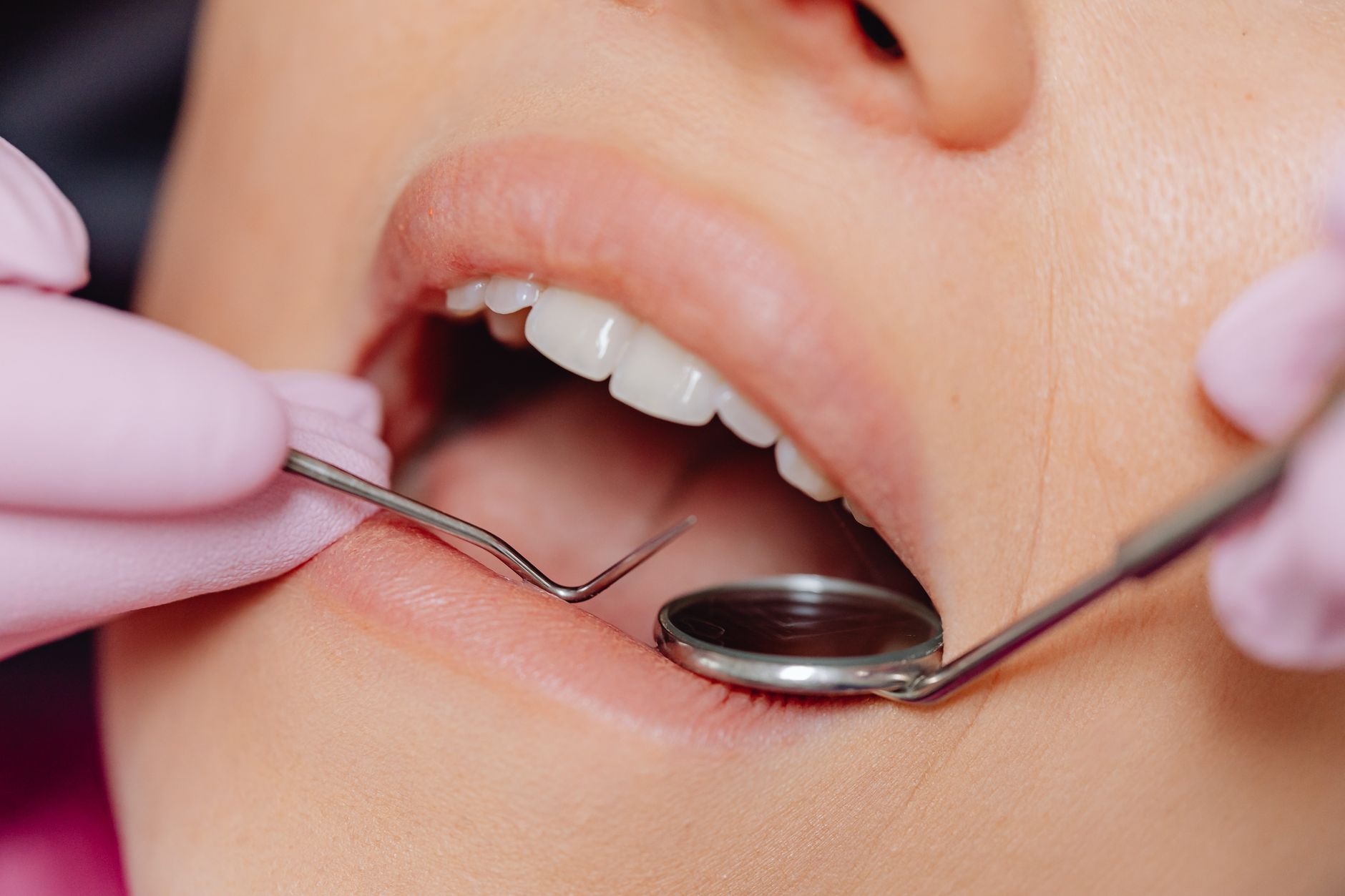
Discover the best options for replacing missing teeth, including dental implants, bridges, and dentures. Learn about pros, cons, costs, and when to see your dentist.
April 1, 2026

Learn about osteoarthritis (OA), a common joint condition. Understand its causes, symptoms, how it's diagnosed, and effective management strategies tailored for the Indian context, including lifestyle changes, medications, and when to consult a doctor.
April 1, 2026