

Free Helpline
We are here to assist you.
Health Advisor
+91-8877772277Available 7 days a week
10:00 AM – 6:00 PM to support you with urgent concerns and guide you toward the right care.

We are here to assist you.
Health Advisor
+91-8877772277Available 7 days a week
10:00 AM – 6:00 PM to support you with urgent concerns and guide you toward the right care.
Learn how to live well with Rheumatoid Arthritis (RA) in India. Understand symptoms, diagnosis, treatment, and practical tips for managing pain, fatigue, and daily life with this autoimmune condition.

Rheumatoid arthritis (RA) is a chronic autoimmune condition where your immune system, which is supposed to fight off infections, mistakenly attacks your own body, specifically the lining of your joints. This attack causes inflammation, leading to pain, swelling, stiffness, and eventually, joint damage. While RA can affect anyone, it most commonly appears in women between the ages of 25 and 45. However, it's crucial to understand that RA can develop in individuals of any age or gender, and its progression can vary significantly from person to person.
In India, where traditional lifestyles and varying access to advanced medical care exist, understanding and managing RA presents unique challenges and opportunities. This guide aims to provide clear, practical advice tailored for Indian readers, helping you navigate life with RA with confidence and resilience. We'll cover everything from recognizing early signs to managing daily life, understanding potential co-existing conditions, and embracing strategies for a better quality of life.
RA is an 'invisible disease' in its early stages. This means that while you might be experiencing significant pain and fatigue, others may not be able to see your struggle. It's essential to communicate your condition and your needs to your loved ones, friends, and colleagues. Explaining that you might need more time to complete tasks due to fatigue, experience forgetfulness, or require more sleep can help them understand and offer support. This open communication is vital for building a strong support system.
As you age, RA can affect you differently. If you were diagnosed in your younger years, you might notice more significant changes in your condition as you get older. This is why regular medical check-ups and adapting your lifestyle and treatment plan as needed are so important. Your body changes, and your approach to managing RA should evolve with it.
It's not uncommon for RA to appear alongside other health issues. This can make diagnosis and management more complex. Let's explore some common overlaps:
Lupus is another autoimmune condition that shares some similarities with RA, particularly in joint symptoms. When you have both RA and lupus, it's called an 'overlap syndrome'. Lupus can also cause skin rashes, hair loss, and affect other organs. Since both are inflammation-based, treatments might overlap, but it's crucial to distinguish between them. Lupus can sometimes be harder to diagnose, making regular doctor visits and blood tests essential. Sometimes, your RA symptoms might improve while your lupus flares up, highlighting the need for ongoing medical attention.
Fibromyalgia is another condition that often co-exists with RA. Both conditions share symptoms like widespread pain and fatigue. However, RA specifically involves joint pain and inflammation, and is treated with different medications. Fibromyalgia, on the other hand, can cause constant pain throughout the body and is not a progressive autoimmune disease like RA. Other symptoms of fibromyalgia can include increased sensitivity to light, sound, and temperature changes. While there's no cure for fibromyalgia, managing symptoms through relaxation techniques like meditation and gentle exercise can be beneficial.
Imagine Meena, a 35-year-old graphic designer living in Delhi, who was diagnosed with RA two years ago. On a particular Tuesday, she has an important client presentation at 11 AM and a deadline for a major project at 5 PM. Her fingers ache, and a wave of fatigue washes over her as she wakes up. She knows she needs to pace herself. Meena decides to do some gentle stretches before breakfast and asks her husband, Rohan, if he could drop her off at the office to avoid the crowded metro. At work, she communicates with her team about her energy levels and delegates a few smaller tasks, ensuring she can focus on the critical presentation without overexerting herself.
Living with RA involves actively managing its symptoms to maintain a good quality of life. This requires a multi-faceted approach focusing on exercise, rest, and managing fatigue and 'brain fog'.
Regular exercise is vital for managing RA pain. It helps improve joint flexibility, strengthen muscles supporting your joints, and boost your overall mood. However, it's crucial to find the right balance. Over-exercising can worsen inflammation and pain. Start slowly with low-impact activities like:
Listen to your body. If an exercise causes increased pain, stop and consult your doctor or a physiotherapist. A tailored exercise plan can make a world of difference.
Just as exercise is important, so is adequate rest. Your body needs time to recover and repair. Fatigue is a significant symptom of RA, and pushing yourself too hard can lead to increased inflammation and exhaustion. Aim for consistent sleep by establishing a regular bedtime routine. Short naps during the day, if needed, can also help manage fatigue. Balancing activity with rest is key to preventing flare-ups and maintaining energy levels.
Fatigue in RA is more than just feeling tired; it's a profound exhaustion that can significantly impact daily life. 'Brain fog' refers to the forgetfulness and difficulty concentrating that many people with RA experience. To manage these:
Early diagnosis and prompt treatment are key to managing RA effectively and preventing long-term joint damage and disability. RA is typically diagnosed through:
Treatment aims to relieve symptoms, reduce inflammation, prevent joint damage, and improve your quality of life. The cornerstone of RA treatment includes:
It’s important to seek medical advice if you experience persistent joint pain, swelling, stiffness, especially in the morning, or unexplained fatigue. Early intervention can significantly improve outcomes. Don't hesitate to consult your doctor if:
Remember, managing RA is a journey, not a destination. By staying informed, actively participating in your treatment, and embracing supportive strategies, you can lead a fulfilling life in India and beyond.

Discover the common causes of a bump on your big toe, including bone spurs, bunions, bursitis, corns, and gout. Learn about symptoms, effective treatment options, and prevention strategies for relief.
April 1, 2026
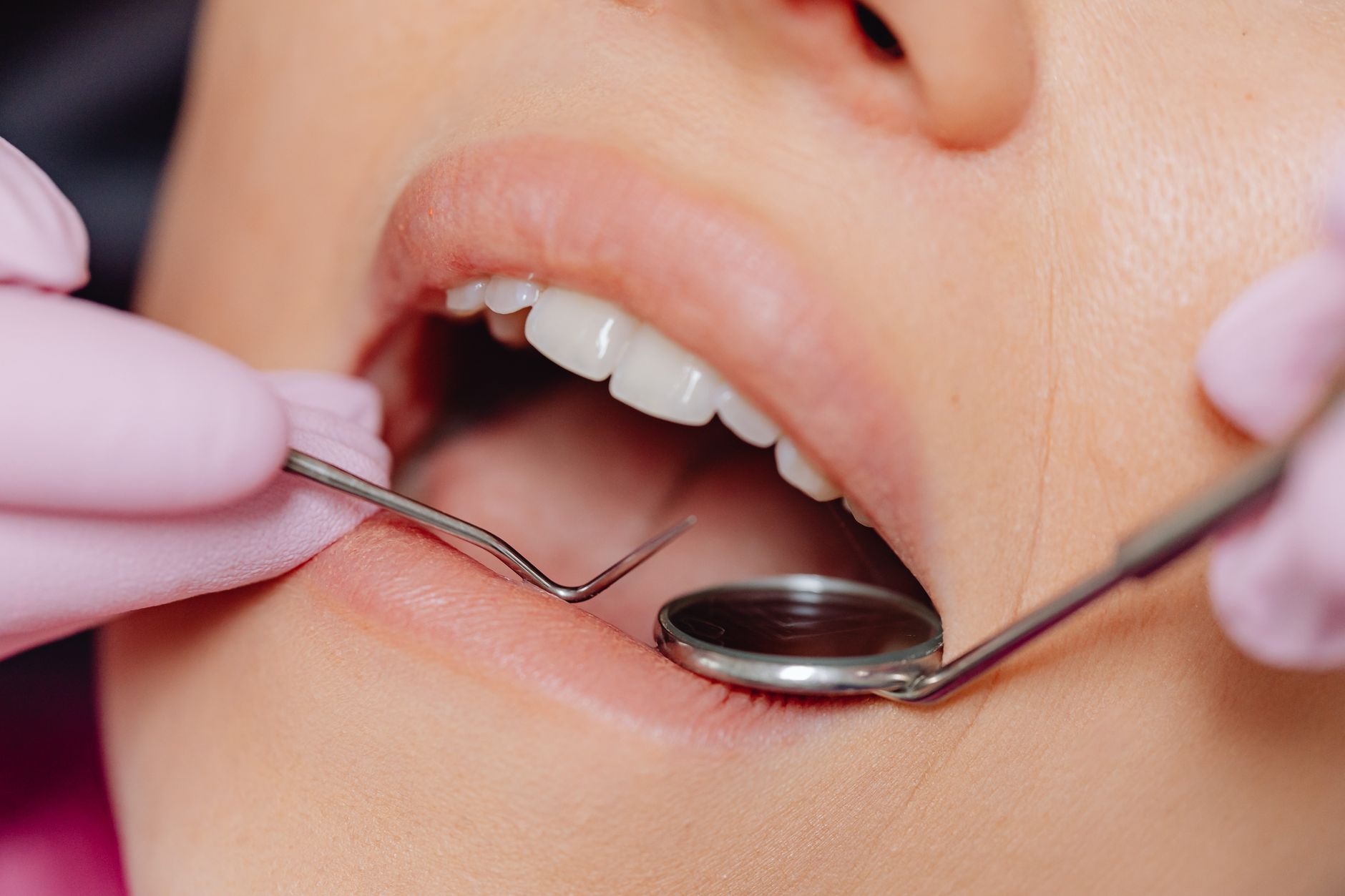
Discover the best options for replacing missing teeth, including dental implants, bridges, and dentures. Learn about pros, cons, costs, and when to see your dentist.
April 1, 2026

Learn about osteoarthritis (OA), a common joint condition. Understand its causes, symptoms, how it's diagnosed, and effective management strategies tailored for the Indian context, including lifestyle changes, medications, and when to consult a doctor.
April 1, 2026