

Free Helpline
We are here to assist you.
Health Advisor
+91-8877772277Available 7 days a week
10:00 AM – 6:00 PM to support you with urgent concerns and guide you toward the right care.

We are here to assist you.
Health Advisor
+91-8877772277Available 7 days a week
10:00 AM – 6:00 PM to support you with urgent concerns and guide you toward the right care.
Discover essential tips for living with Dupuytren's Contracture. Learn about symptoms, causes, diagnosis, treatment options, exercises, and when to seek medical advice to manage this progressive hand condition effectively.

Discover the common causes of a bump on your big toe, including bone spurs, bunions, bursitis, corns, and gout. Learn about symptoms, effective treatment options, and prevention strategies for relief.
April 1, 2026
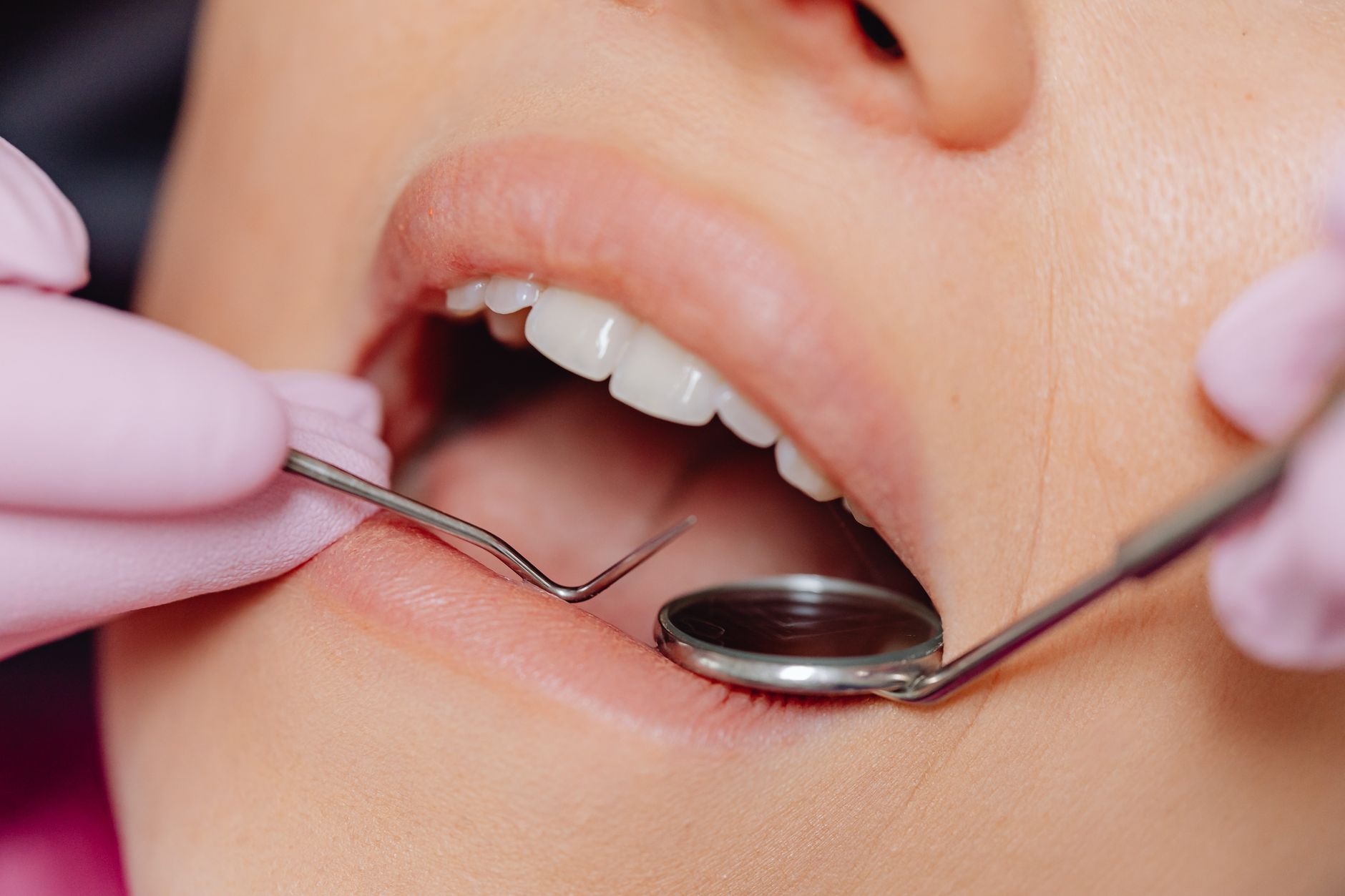
Discover the best options for replacing missing teeth, including dental implants, bridges, and dentures. Learn about pros, cons, costs, and when to see your dentist.
April 1, 2026


Dupuytren's contracture is a progressive hand condition that can significantly impact daily life. Characterized by the thickening and tightening of the tissue beneath the skin in the palm of the hand, it can eventually lead to one or more fingers bending permanently into the palm. While it's not life-threatening, the loss of hand function can be frustrating and debilitating. This comprehensive guide from Doctar aims to provide you with a deep understanding of Dupuytren's contracture, from its symptoms and causes to diagnosis, treatment options, and practical tips for living well with the condition. Our goal is to empower you with knowledge and strategies to manage your symptoms, maintain hand function, and improve your overall quality of life.
Dupuytren's contracture, also known as Dupuytren's disease, is a condition that affects the fascia – a layer of tissue that lies just beneath the skin in the palm of your hand. Over time, this fascia can thicken, shorten, and form cords that pull the fingers into a bent position. The ring finger and pinky finger are most commonly affected, though any finger, including the thumb, can be involved. The condition typically progresses slowly over many years and is more common in men, especially those of Northern European descent.
The disease often starts subtly, with small, firm nodules developing under the skin of the palm. These nodules might be mistaken for calluses or small cysts. Initially, they may not cause any pain or functional issues. However, as the condition progresses, these nodules can develop into tough, fibrous cords that extend from the palm into the fingers. It is these cords that contract, pulling the affected fingers towards the palm, making it difficult to fully straighten them. This can interfere with simple daily activities like shaking hands, putting on gloves, washing your face, or even reaching into a pocket.
Recognizing the symptoms early can be crucial for effective management. The signs and symptoms of Dupuytren's contracture typically develop gradually and can vary in severity.
It's important to note that Dupuytren's contracture can also affect other parts of the body, though less commonly. These include:
The exact cause of Dupuytren's contracture is not fully understood, but it is believed to be a multifactorial condition involving genetic predisposition and environmental factors.
Genetics play a significant role. Dupuytren's contracture often runs in families, particularly among people of Northern European (e.g., Scandinavian, Irish, Scottish, English) descent. If you have a close family member with the condition, your risk is higher.
It's crucial to understand that having one or more risk factors does not guarantee you will develop Dupuytren's contracture, nor does lacking them mean you are immune.
Diagnosing Dupuytren's contracture is primarily a clinical process, meaning a doctor can usually identify it based on a physical examination of your hand and a review of your medical history.
During your appointment, your doctor will likely:
Typically, no special imaging tests like X-rays or MRIs are needed to diagnose Dupuytren's contracture itself. These tests might be used in specific situations to:
The diagnosis is usually straightforward for an experienced medical professional based on the characteristic appearance and feel of the hand.
The treatment for Dupuytren's contracture depends on the severity of the condition, the rate of progression, and how much it interferes with hand function. In the early stages, when the contracture is mild and not affecting daily life, a 'watch and wait' approach is often recommended. When the contracture becomes significant (e.g., failing the tabletop test or interfering with daily activities), intervention may be necessary.
For mild to moderate cases, or when surgery is not an option, several non-surgical treatments are available:
Surgery is typically reserved for more advanced cases where the contracture significantly impairs hand function and non-surgical options are not sufficient or appropriate.
After surgery, hand therapy is almost always necessary to help with wound healing, reduce swelling, improve range of motion, and strengthen the hand. This can involve exercises, massage, and splinting.
Whether you're managing early-stage Dupuytren's or recovering from treatment, incorporating specific strategies into your daily routine can significantly improve your quality of life.
While exercises won't reverse an established contracture, they can help maintain existing flexibility and prevent stiffness in unaffected fingers. After treatment, they are crucial for recovery.
Consult with a hand therapist or your doctor for a personalized exercise program, especially after any procedure.
Modify your environment and use tools to reduce strain on your hands.
While Dupuytren's is often painless, some individuals experience discomfort. For managing pain:
Always discuss pain management with your doctor, especially if pain is persistent or severe.
Preventing further irritation or injury can be important.
Certain lifestyle choices may influence the progression or management of Dupuytren's.
Living with a chronic, progressive condition can be emotionally challenging. Loss of hand function can impact independence and self-esteem.
Even after treatment, Dupuytren's can recur or progress in other areas of the hand. Regular check-ups with your hand specialist are essential to monitor the condition and discuss any new symptoms or concerns.
Because the exact cause of Dupuytren's contracture is unknown and genetics play a strong role, there is no definitive way to prevent the condition from developing, especially if you have a strong genetic predisposition. However, managing certain risk factors may help:
Early detection and intervention are the closest you can get to 'prevention' in terms of limiting the impact of the disease.
It's important to consult a healthcare professional, preferably a hand specialist (orthopedic surgeon specializing in hands or a plastic surgeon specializing in hands), if you notice any of the following:
Early consultation allows for accurate diagnosis and discussion of management strategies before the contracture becomes severe.
A: Typically, Dupuytren's contracture is not painful, especially in its early stages. You might experience some tenderness or discomfort if the nodules are pressed or bumped. If you have significant pain, your doctor may investigate other co-existing conditions.
A: No, Dupuytren's contracture is a progressive condition and does not typically go away on its own. While its progression can be slow and may even stop for periods, the contractures will not spontaneously reverse without intervention.
A: While exercises cannot prevent the progression of the disease or reverse existing contractures, gentle stretching and hand exercises can help maintain flexibility in unaffected fingers and improve overall hand function. They are crucial after treatments to aid recovery and prevent stiffness. Always consult a hand therapist for a tailored exercise program.
A: No, Dupuytren's contracture is not a form of arthritis. Arthritis affects the joints, causing inflammation and damage to cartilage. Dupuytren's contracture affects the fascia, a connective tissue beneath the skin in the palm, leading to finger contractures. They are distinct conditions, though they can co-exist.
A: Recovery time varies depending on the type of surgery and individual factors. For minimally invasive procedures like needle aponeurotomy or enzyme injection, recovery is relatively quick, often a few days to a couple of weeks for full hand use. For traditional open surgery (fasciectomy), recovery can take several weeks to months, often requiring extensive hand therapy to regain strength and mobility.
A: Yes, recurrence is possible after any treatment for Dupuytren's contracture, whether it's enzyme injection, needle aponeurotomy, or surgery. The rate of recurrence varies by procedure and individual. Regular follow-ups with your doctor are important to monitor for signs of recurrence.
A: In the early stages, you may have little to no impact on hand function. As the contracture progresses and fingers bend further into the palm, daily activities become increasingly difficult. Tasks like gripping, reaching, washing your face, or wearing gloves can become challenging. Treatment aims to restore as much hand function as possible.
A: Dupuytren's contracture itself is generally not a sign of a life-threatening condition. However, it is associated with certain other conditions, such as diabetes, epilepsy, and sometimes excessive alcohol use or smoking. Your doctor may screen for these if relevant to your health history.
Living with Dupuytren's contracture can present unique challenges, but with the right knowledge and proactive management, it is possible to maintain hand function and a good quality of life. Understanding the symptoms, causes, and available treatment options is the first step. Equally important are the daily strategies you employ, from regular hand exercises and ergonomic adjustments to seeking psychological support and maintaining open communication with your healthcare team. Remember that you are not alone in this journey. Doctar is committed to providing you with reliable information and encouraging you to work closely with your medical professionals to develop a personalized plan that best suits your needs, ensuring you can continue to use your hands effectively for years to come.
Learn about osteoarthritis (OA), a common joint condition. Understand its causes, symptoms, how it's diagnosed, and effective management strategies tailored for the Indian context, including lifestyle changes, medications, and when to consult a doctor.
April 1, 2026