

Free Helpline
We are here to assist you.
Health Advisor
+91-8877772277Available 7 days a week
10:00 AM – 6:00 PM to support you with urgent concerns and guide you toward the right care.

We are here to assist you.
Health Advisor
+91-8877772277Available 7 days a week
10:00 AM – 6:00 PM to support you with urgent concerns and guide you toward the right care.
Discover if you need rubber bands with Invisalign, how they work to correct bite issues like overbites and underbites, and what to expect during treatment. Get expert tips!

So, you're considering Invisalign, the clear aligner system that's revolutionizing orthodontic treatment. You've heard it's discreet, comfortable, and effective. But then, a question pops up: 'Do I need rubber bands with Invisalign?' It's a common query, especially if you've seen or heard about rubber bands being used with traditional metal braces. Let's clear the air!
Think of rubber bands, or elastics as they're often called in orthodontics, as tiny powerhouses. For traditional braces, these elastics attach to brackets and wires to exert specific forces, guiding your teeth and jaws into their ideal positions. Invisalign, while using clear trays instead of brackets and wires, can also incorporate these elastics when more complex movements are needed.
These aren't just any rubber bands; they are specially designed orthodontic elastics. They work by creating gentle, continuous pressure. This pressure helps to correct bite issues and fine-tune the alignment of your teeth beyond what the aligner trays alone can achieve. It’s like adding a turbo boost to your orthodontic journey!
The primary reason your orthodontist might suggest elastics is to address bite problems. While Invisalign aligners are excellent at straightening teeth and closing gaps, they sometimes need a little help from elastics to correct how your upper and lower teeth meet. These elastics work in conjunction with the aligner trays to move teeth and jaws more effectively.
Here are some common bite conditions that elastics can help correct:
Sometimes, elastics are also used in the later stages of treatment to help preserve your bite. Once your teeth and jaws are in their ideal positions, vertical elastics can help keep them there, preventing unwanted movement as your mouth settles.
The magic of elastics lies in the consistent, gentle force they apply. Your orthodontist will show you exactly how to place the elastics yourself, usually connecting them from small attachments called 'buttons' on your aligners or directly to specific teeth, and then to other points. The specific pattern and placement depend entirely on the bite issue being addressed.
For example:
You'll typically be instructed to wear these elastics for a specific number of hours each day, often including overnight. It's vital to follow these instructions precisely. Changing the elastics frequently, usually with every meal and before bed, ensures they maintain their effectiveness. Stretched-out or old elastics lose their power!
Not everyone who undergoes Invisalign treatment will need elastics. If your orthodontic issues are relatively minor, such as simple crowding or spacing of teeth without significant bite discrepancies, your aligners alone might be sufficient. However, if you have moderate to severe bite problems, elastics are often a necessary component for achieving optimal results.
Your orthodontist is the best person to determine if elastics are part of your treatment plan. They will assess your bite and tooth alignment and explain why elastics are recommended for you.
This is another common concern for those choosing Invisalign for its discretion. While adding elastics and buttons might make the treatment slightly more noticeable than just wearing the clear aligners, the visibility often depends on several factors:
While they might not be completely invisible, they are generally far less noticeable than the metal brackets and wires of traditional braces. Many patients find the trade-off is well worth it for the improved results.
Wearing elastics can take some getting used to, but following these tips can make the process smoother:
While elastics are a standard part of many Invisalign treatments, it's important to know when to seek professional advice:
Absolutely! While they might add a slight extra step to your daily routine, Invisalign rubber bands are powerful tools that enable the clear aligner system to tackle a wider range of orthodontic issues, including complex bite misalignments. They are instrumental in helping your orthodontist achieve that perfect, healthy smile you're aiming for.
Remember, your orthodontist's plan is tailored specifically for you. Trust their expertise, follow their guidance diligently, and you'll be well on your way to a beautifully aligned smile with or without the help of elastics!
A: No, you must only use the orthodontic elastics prescribed by your orthodontist. Regular rubber bands are not designed for this purpose, can be the wrong size and strength, and may contain materials that are harmful if ingested.
A: The duration varies greatly depending on your specific treatment plan and the severity of your bite issue. Your orthodontist will provide a timeline, which could range from a few weeks to many months.
A: You may feel some pressure or mild discomfort when you first start wearing elastics, or when changing to a new set of aligners/elastics. This is normal and usually temporary. If the pain is severe or persistent, consult your orthodontist.
A: Try to wear them as consistently as possible. If you miss a day, wear them as usual the next day and try not to fall behind. If you consistently miss wearing them, your treatment progress could be significantly affected, and you should discuss this with your orthodontist.

Discover the common causes of a bump on your big toe, including bone spurs, bunions, bursitis, corns, and gout. Learn about symptoms, effective treatment options, and prevention strategies for relief.
April 1, 2026
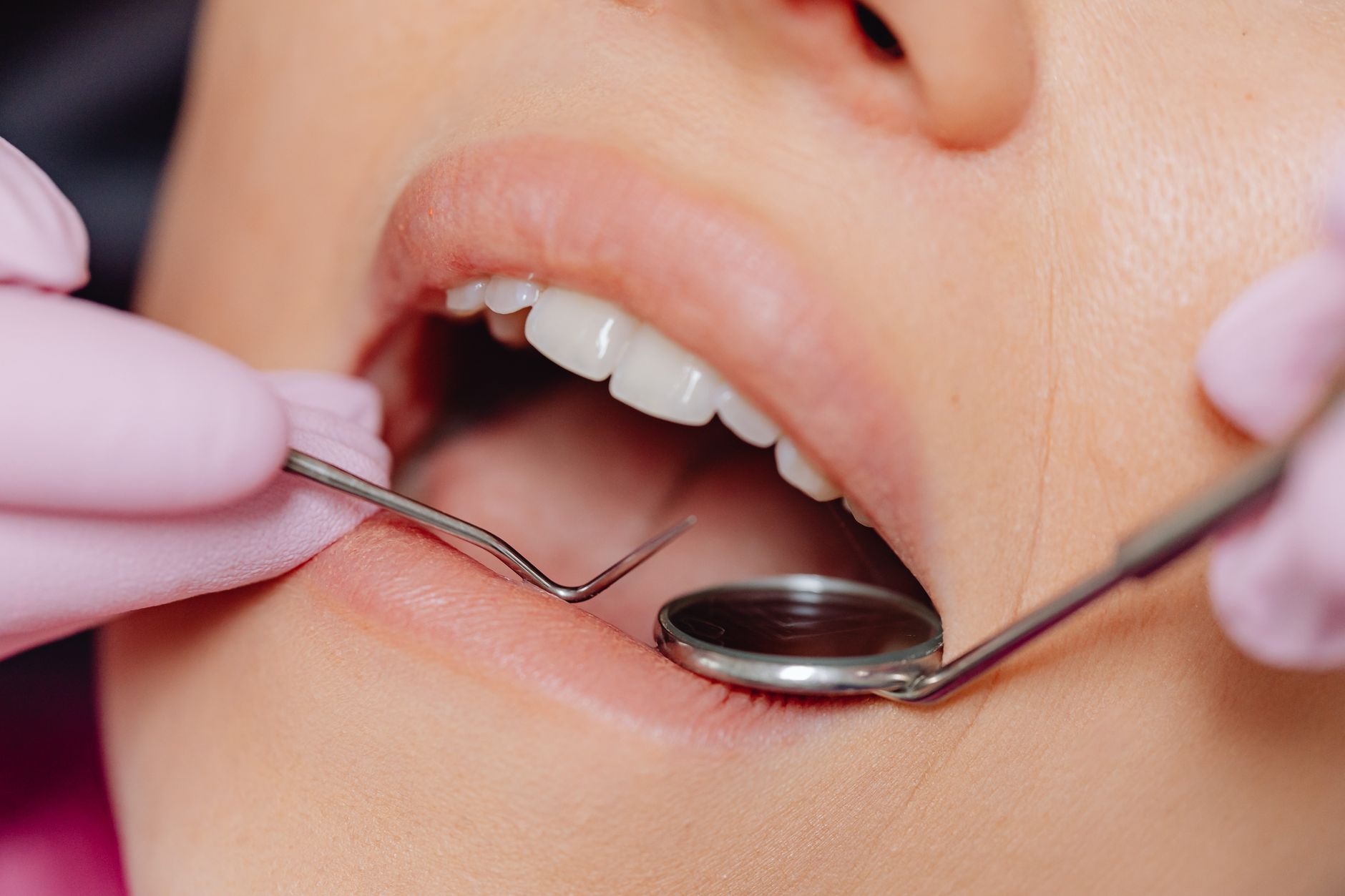
Discover the best options for replacing missing teeth, including dental implants, bridges, and dentures. Learn about pros, cons, costs, and when to see your dentist.
April 1, 2026

Learn about osteoarthritis (OA), a common joint condition. Understand its causes, symptoms, how it's diagnosed, and effective management strategies tailored for the Indian context, including lifestyle changes, medications, and when to consult a doctor.
April 1, 2026