

Free Helpline
We are here to assist you.
Health Advisor
+91-8877772277Available 7 days a week
10:00 AM – 6:00 PM to support you with urgent concerns and guide you toward the right care.

We are here to assist you.
Health Advisor
+91-8877772277Available 7 days a week
10:00 AM – 6:00 PM to support you with urgent concerns and guide you toward the right care.
Learn if eggs are a good choice for individuals with gout. Explore the connection between purines, uric acid, and dietary recommendations for managing this painful condition.

Understanding Gout and Its Connection to Diet Gout is a painful and complex form of inflammatory arthritis that can affect anyone. It is characterized by sudden, severe attacks of pain, swelling, redness, and tenderness in one or more joints, most commonly the big toe. The root cause of gout lies in a condition called hyperuricemia, where there is an excess of uric acid in the blood. Your body naturally produces uric acid when it breaks down purines, which are substances found in your body and in many foods. When uric acid levels become too high, either due to overproduction or insufficient elimination, it can form needle-like crystals that accumulate in the joints, leading to the inflammation and intense pain associated with gout attacks. The Role of Purines in Gout Purines are a natural component of your body's cells and are also present in various foods. While purines are essential for normal bodily functions, consuming foods high in purines can significantly increase uric acid levels, thereby raising the risk of gout or triggering flare-ups in individuals who already have the condition. Understanding which foods are high in purines is crucial for managing gout effectively. Common culprits include organ meats (like liver and sweetbreads), red meats (beef, lamb, pork), and certain seafood. Conversely, choosing foods that are low in purines can be a key strategy in managing uric acid levels and reducing the frequency and severity of gout attacks. Can You Eat Eggs If You Have Gout? For individuals managing gout, the question of what to eat, especially regarding protein sources, is paramount. Eggs have emerged as a topic of discussion in this context. Fortunately, for those with gout, eggs are generally considered a safe and beneficial food choice. This is primarily because eggs are naturally low in purines. A 2015 review of studies, including data from the Singapore Chinese Health Study, investigated the impact of different protein sources on gout flare-ups. The findings suggested that consuming low-purine protein sources, such as eggs, did not significantly increase the risk of gout attacks. In fact, eggs are an excellent source of high-quality protein, which is essential for overall health, and their low purine content makes them a suitable option for a gout-friendly diet. Some research even suggests that eggs may play a role in helping to lower uric acid levels, although this effect is generally considered secondary to their low purine content. Nutritional Profile of Eggs Beyond their low purine content, eggs offer a wealth of essential nutrients that contribute to a healthy diet. According to the United States Department of Agriculture, a single extra-large egg provides a good amount of protein, healthy fats, and various vitamins and minerals. These include: Protein: Crucial for muscle repair, immune function, and overall body maintenance. Vitamins: Rich in Vitamin D, Vitamin B12, Vitamin A, and folate. Minerals: Contains essential minerals like selenium, phosphorus, and iron. Choline: An important nutrient for brain health and metabolism. The combination of high-quality protein and essential micronutrients makes eggs a nutrient-dense food that can be incorporated into a balanced diet, even for individuals managing gout. Dietary Recommendations for Gout Management While eggs are a good choice, a comprehensive dietary approach is necessary for effective gout management. The primary goal is to reduce uric acid levels. A diet low in purines is recommended, which involves limiting or avoiding high-purine foods such as organ meats, red meat, and certain types of seafood. Instead, focus on incorporating low-purine protein sources like eggs, poultry, and low-fat dairy products. Additionally, increasing the intake of fruits, vegetables, and whole grains is beneficial. Plant-based oils, such as olive oil and canola oil, are also encouraged. Conversely, refined carbohydrates like white bread, pasta, and sugary drinks should be minimized, as they can contribute to increased uric acid levels and weight gain, which is a risk factor for gout. The Role of Hydration and Alcohol Staying well-hydrated is a cornerstone of gout management. Drinking plenty of water helps the kidneys flush out uric acid from the body. Aim for at least 8-10 glasses of water per day. Limiting alcohol consumption is also critical. Alcoholic beverages, particularly beer, can significantly increase uric acid levels and trigger gout attacks. If you choose to drink alcohol, moderation is key. For men, no more than two alcoholic drinks per 24 hours is advised, and for women, no more than one drink every 24 hours. It is best to discuss your alcohol intake with your doctor, as they can provide personalized recommendations based on your health status. When to Consult a Doctor While dietary changes can play a significant role in managing gout, they are often not sufficient on their own to lower uric acid levels to a therapeutic range. Medication prescribed by a doctor is frequently necessary to effectively control hyperuricemia and prevent long-term complications. If you experience symptoms of gout, such as sudden joint pain, swelling, and redness, it is essential to seek medical attention promptly. A doctor can provide an accurate diagnosis, prescribe appropriate medications, and offer personalized advice on diet and lifestyle modifications. Regular follow-ups with your healthcare provider are important to monitor your uric acid levels and adjust your treatment plan as needed. Remember, managing gout is a long-term commitment that involves a combination of medical treatment, dietary adjustments, and lifestyle changes. Food Safety and Eggs It's important to be aware of food safety when consuming eggs. Salmonella is a
In summary, timely diagnosis, evidence-based treatment, and prevention-focused care improve long-term health outcomes.

Discover the common causes of a bump on your big toe, including bone spurs, bunions, bursitis, corns, and gout. Learn about symptoms, effective treatment options, and prevention strategies for relief.
April 1, 2026
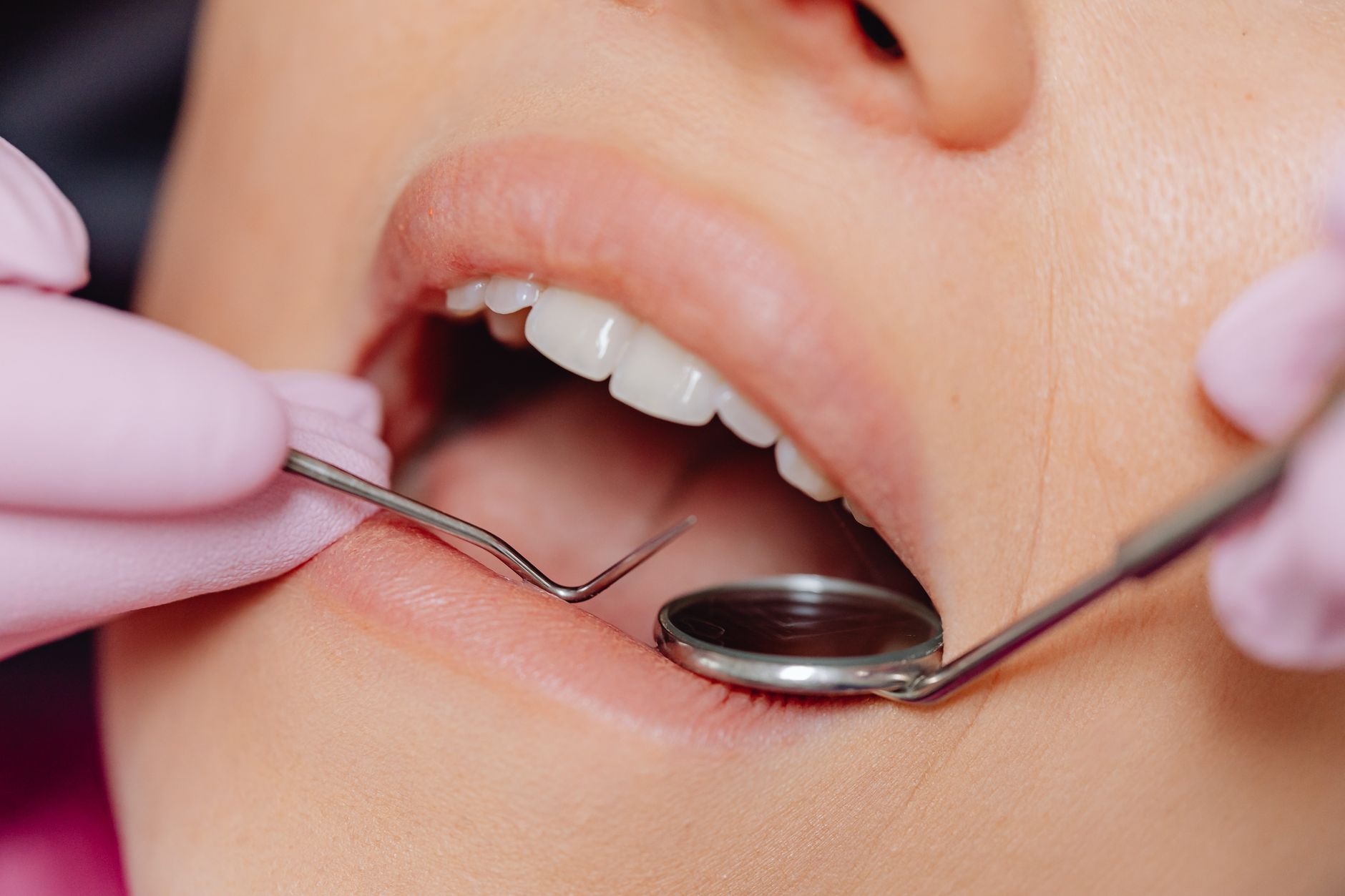
Discover the best options for replacing missing teeth, including dental implants, bridges, and dentures. Learn about pros, cons, costs, and when to see your dentist.
April 1, 2026

Learn about osteoarthritis (OA), a common joint condition. Understand its causes, symptoms, how it's diagnosed, and effective management strategies tailored for the Indian context, including lifestyle changes, medications, and when to consult a doctor.
April 1, 2026