

Free Helpline
We are here to assist you.
Health Advisor
+91-8877772277Available 7 days a week
10:00 AM – 6:00 PM to support you with urgent concerns and guide you toward the right care.

We are here to assist you.
Health Advisor
+91-8877772277Available 7 days a week
10:00 AM – 6:00 PM to support you with urgent concerns and guide you toward the right care.
Learn about fasciotomy, a surgical procedure to relieve pressure from compartment syndrome. Understand its causes, symptoms, diagnosis, treatment, and recovery.

What is a Fasciotomy? A fasciotomy is a surgical procedure where a surgeon makes an incision into the fascia, a tough, fibrous connective tissue that surrounds and supports muscles, nerves, and blood vessels. The primary goal of this procedure is to relieve excessive pressure within a muscle compartment. This condition, known as compartment syndrome, can occur suddenly (acute) or develop gradually (chronic) and, if left untreated, can lead to severe tissue damage, nerve damage, and even loss of limb. Understanding Compartment Syndrome Compartment syndrome is a critical medical condition characterized by increased pressure within a confined anatomical space (a compartment) in the body, typically in the limbs. These compartments are enclosed by fascia, which is inelastic. When swelling or bleeding occurs within a compartment, the pressure rises, compressing the blood vessels and nerves inside. This compression restricts blood flow, depriving the muscles and nerves of oxygen. If the pressure is not relieved promptly, it can lead to irreversible damage. Types of Compartment Syndrome: Acute Compartment Syndrome: This is a medical emergency that usually develops rapidly, often following a traumatic injury such as a fracture, severe bruise, or crush injury. Symptoms appear suddenly and are intensely painful. Prompt surgical intervention is crucial to prevent permanent damage. Chronic Compartment Syndrome: Also known as exertional compartment syndrome, this type develops more slowly, often associated with repetitive physical activity, particularly in athletes. The pressure builds up during exercise and typically subsides with rest. While less immediately life-threatening than acute compartment syndrome, it can significantly impact an individual's quality of life and athletic performance. Causes Leading to Fasciotomy The need for a fasciotomy arises from the development of compartment syndrome. The underlying causes can be varied: Causes of Acute Compartment Syndrome: Traumatic Injuries: Fractures (especially of the long bones like the tibia or forearm), severe contusions, crush injuries, and penetrating wounds are common culprits. Vascular Issues: Blockage of blood vessels due to clots (thrombosis) or external pressure on arteries can lead to reduced blood flow and subsequent swelling. Surgical Interventions: In some cases, prolonged surgery, especially involving the extremities, or certain vascular procedures can increase the risk. Burns: Severe burns can cause swelling and constrictive effects on tissues. Snake Bites: Certain venomous snake bites can cause significant swelling and tissue damage. Causes of Chronic Compartment Syndrome: Repetitive Stress: Overuse of muscles during activities like running, cycling, or rowing can lead to chronic inflammation and swelling within the muscle compartments. Anatomical Factors: Some individuals may have naturally tighter fascia, making them more susceptible. Symptoms to Watch For Recognizing the symptoms of compartment syndrome is vital for timely intervention. The hallmark symptom is pain that is disproportionate to the injury and worsens with passive stretching of the affected muscles. Other signs include: Symptoms of Acute Compartment Syndrome: Severe pain, often described as deep, aching, or burning, that is not relieved by rest or pain medication. Pain that increases significantly when the affected limb is passively stretched. Tingling or numbness (paresthesia) in the affected area due to nerve compression. Weakness or inability to move the affected limb. A tense or firm feeling in the affected muscle compartment. Pale skin or coolness in the affected limb (indicating compromised blood flow). Symptoms of Chronic Compartment Syndrome: Aching or cramping pain in the affected limb that develops during physical activity and subsides with rest. Numbness or tingling during exercise. Weakness in the limb during activity. Diagnosis of Compartment Syndrome Diagnosing compartment syndrome involves a combination of clinical assessment and objective measurements. A doctor will typically: Physical Examination: Assess the affected limb for pain, swelling, tenderness, and any neurological deficits. They will also check for pulses and assess the limb's temperature and color. Patient History: Inquire about the onset of symptoms, any recent injuries, or physical activities. Compartment Pressure Measurement: This is the definitive diagnostic test. A needle connected to a pressure monitoring device is inserted into the affected muscle compartment to measure the internal pressure. Pressures above a certain threshold (e.g., >30 mmHg, or a differential pressure of The Fasciotomy Procedure A fasciotomy is typically performed under anesthesia. The type of anesthesia used (general or regional) depends on the urgency of the situation and the patient's condition. The surgical steps generally involve: Incision: The surgeon makes one or more incisions through the skin to access the affected muscle compartment. Fascia Release: The surgeon carefully identifies and cuts the thickened or tight fascia that is constricting the muscles, nerves, and blood vessels. This allows the pressure to dissipate. Wound Management: The incisions are usually left open initially, often covered with sterile dressings. This allows for continued decompression and monitoring for any signs of infection or further swelling. The wounds are typically closed in a secondary procedure once the swelling has subsided, usually within a few days to a few weeks. Recovery and Rehabilitation Recovery from a fasciotomy can vary depending on the severity of the compartment syndrome and the promptness of treatment. Key aspects of recovery include: Hospital Stay: The length of hospital stay can range from a few days to several weeks, especially if complications arise or if the initial injury was severe. For acute compartment syndrome treated within 6 hours, the average hospital stay might be around 9-10 days. Wound Healing: The open wounds typically take between 5 days and 3 weeks to close, either through secondary intention or surgical closure. Pain Management: Post-operative pain is managed with appropriate medications.
In summary, timely diagnosis, evidence-based treatment, and prevention-focused care improve long-term health outcomes.

Discover the common causes of a bump on your big toe, including bone spurs, bunions, bursitis, corns, and gout. Learn about symptoms, effective treatment options, and prevention strategies for relief.
April 1, 2026
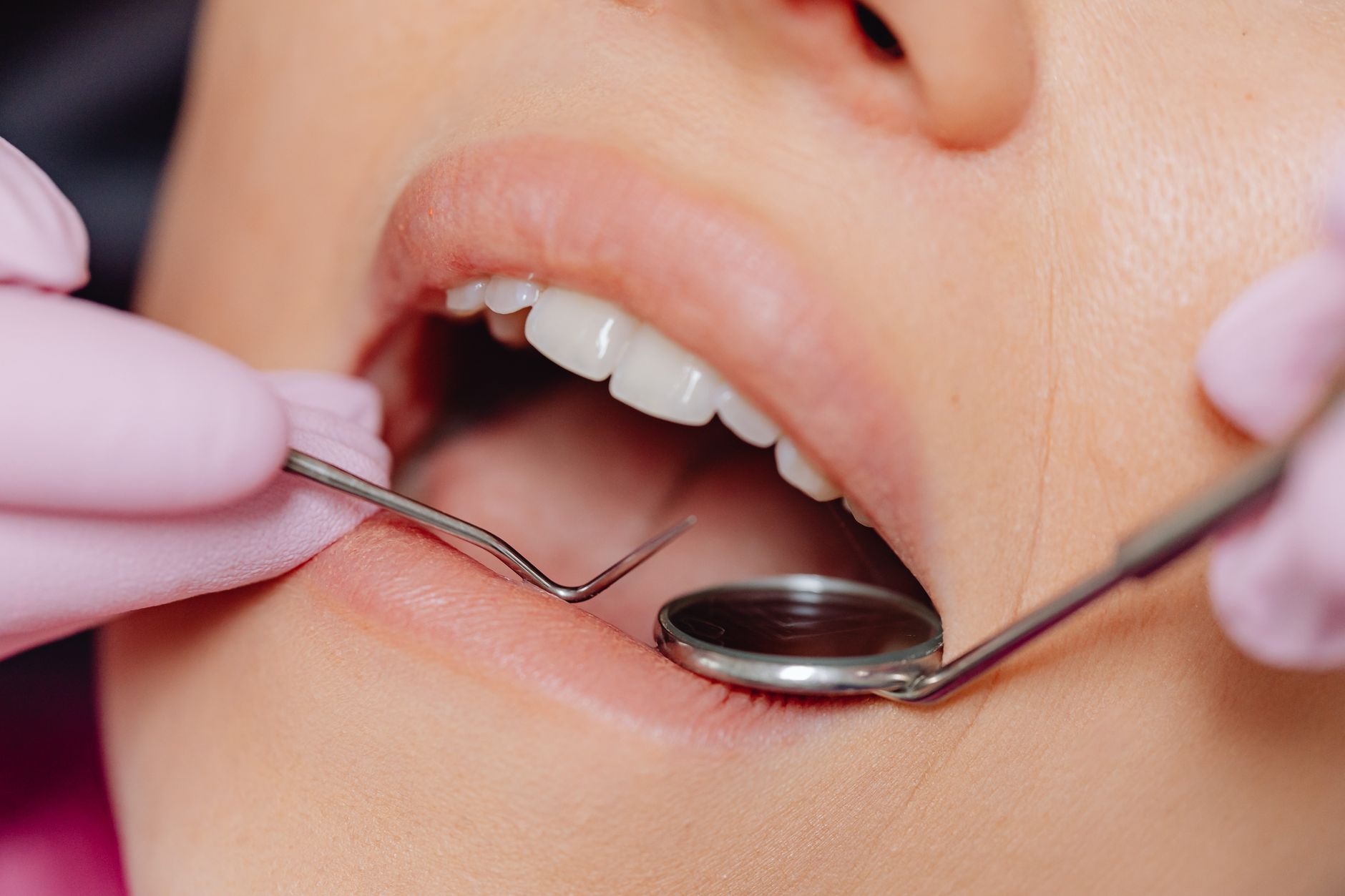
Discover the best options for replacing missing teeth, including dental implants, bridges, and dentures. Learn about pros, cons, costs, and when to see your dentist.
April 1, 2026

Learn about osteoarthritis (OA), a common joint condition. Understand its causes, symptoms, how it's diagnosed, and effective management strategies tailored for the Indian context, including lifestyle changes, medications, and when to consult a doctor.
April 1, 2026