

Free Helpline
We are here to assist you.
Health Advisor
+91-8877772277Available 7 days a week
10:00 AM – 6:00 PM to support you with urgent concerns and guide you toward the right care.

We are here to assist you.
Health Advisor
+91-8877772277Available 7 days a week
10:00 AM – 6:00 PM to support you with urgent concerns and guide you toward the right care.
Learn about common knee injuries from falls, including scrapes, bruises, sprains, tears, and fractures. Discover home care tips and when to seek medical attention for effective recovery.

A fall can happen to anyone, at any time. Whether it’s a slip on a wet floor at home, a stumble on uneven pavement, or an accident during sports, our knees often bear the brunt of the impact. Understanding the types of knee injuries that can result from a fall, and knowing how to manage them, is essential for a speedy and effective recovery. This guide will walk you through the most common knee injuries after a fall, from minor scrapes to more serious ligament tears, and help you decide when it’s time to seek professional medical help. Common Knee Injuries After a Fall When you fall, your knee can experience a range of injuries. The severity often depends on how you land, the surface you fall on, and the force of the impact. Here are some of the most frequent injuries: 1. Abrasions (Scrapes) These are essentially scrapes where your skin rubs against a rough surface like concrete or asphalt. A minor abrasion might only affect the outermost layer of your skin, the epidermis, and can typically be managed at home. However, if the abrasion is deep, bleeds significantly, or involves multiple layers of skin, it’s time to see a doctor. 2. Lacerations (Cuts and Puncture Wounds) A laceration is a cut or a puncture wound that creates a tear or hole in the skin. This can happen if you fall onto something sharp, like a piece of metal or a nail. Like scrapes, lacerations can vary in severity. Some are minor with minimal bleeding, while others are deep and may require medical attention, including stitches. A particularly important consideration with lacerations, especially from rusty objects, is the risk of tetanus. If you sustain a cut from a rusty object, seek medical attention immediately. 3. Contusions (Bruises) Bruises are very common after a fall, especially if you land on a hard surface. The impact causes tiny blood vessels or capillaries under the skin to break and leak blood into the surrounding tissues. This leads to the characteristic black and blue discoloration. For a bruised knee, home care usually involves the R.I.C.E. method: Rest, Ice, Compression, and Elevation. Over-the-counter pain relievers like ibuprofen can also help manage discomfort. Most bruises heal on their own within a week or two. 4. Sprains A knee sprain occurs when one or more of the ligaments in your knee are overstretched or torn. Ligaments are tough bands of tissue that connect bones to each other, providing stability to the joint. Sprains often happen from a hard fall or a direct blow to the knee. Minor sprains can often be treated at home with rest and care. However, if you experience significant difficulty moving your knee, or if the pain is severe, it’s important to consult a doctor to rule out a more serious ligament injury. 5. Meniscus Tears The meniscus is a C-shaped piece of cartilage that acts as a shock absorber between your thigh bone (femur) and shinbone (tibia). Tears in the meniscus can happen during sports involving sharp twists, but a hard fall can also cause this injury. Some meniscus tears can heal with conservative treatment, but persistent pain, swelling, or a feeling of the knee locking up might indicate that surgery is needed. 6. Tendon Injuries The knee has two main tendons: the quadriceps tendon (connecting the thigh muscle to the kneecap) and the patellar tendon (connecting the kneecap to the shinbone). Tears in these tendons, particularly the patellar tendon, can result from falling directly on the front of the knee or landing awkwardly. These injuries often require medical intervention, sometimes surgical repair, to restore knee function. 7. Fractures (Broken Bones) A fall, especially from a height or with significant force, can lead to a fracture, which is a break in one of the bones around the knee joint, including the kneecap (patella), thigh bone (femur), or shinbone (tibia). Symptoms often include intense pain, swelling, inability to bear weight, and sometimes a visible deformity. Fractures are serious injuries that always require immediate medical attention and often surgery. 8. Dislocation A knee dislocation is a severe injury where the bones of the knee joint are forced out of their normal position. This often happens during high-impact trauma, like a severe fall or car accident. It’s a medical emergency because it can damage major blood vessels and nerves. Symptoms include severe pain, obvious deformity, and an inability to move the leg. Immediate emergency medical care is critical. When to Seek Medical Attention While minor scrapes and bruises can usually be managed at home, certain signs and symptoms indicate that you need to see a doctor. Don’t hesitate to seek medical help if you experience any of the following: Severe pain that prevents you from putting weight on your leg. Inability to bend or straighten your knee. Obvious deformity of the knee joint. Significant swelling that appears rapidly. Signs of infection, such as redness, warmth, or pus from a wound. A popping sound at the time of injury, especially if followed by instability. Numbness or tingling in the leg or foot. If you suspect a fracture or a severe ligament tear. If symptoms don't improve with home care after a few days. Real-life scenario: Mrs. Sharma, a 70-year-old woman, tripped over a rug at home and fell, landing hard on her right knee. She felt immediate pain and couldn't stand up without severe discomfort. Her knee looked slightly swollen and she could barely bend it. Fearing a fracture or serious ligament damage, she called her son, who helped her get to the nearest emergency room. Home Care for Minor Knee Injuries For less severe injuries like minor bruises or small scrapes, the R.I.C.E. protocol is your best friend: Rest: Avoid activities that put stress on your knee. Use crutches if necessary. Ice: Apply a cold pack or ice wrapped in a thin towel to the injured area for 15-20 minutes every few hours, especially during the first 24-48 hours. This helps reduce swelling and pain. Compression: Use an elastic bandage to wrap the knee. This provides support and helps control swelling. Ensure it's not too tight, as this can restrict blood flow. Elevation: Keep your knee raised above the level of your heart whenever possible. Prop it up on pillows while sitting or lying down. Over-the-counter pain relievers like paracetamol or ibuprofen can help manage pain and inflammation. Keep the wound clean and covered if it's a scrape or cut to prevent infection. Diagnosis and Treatment When you visit a doctor for a knee injury, they will start with a physical examination. They will ask about how the injury happened, your symptoms, and assess the range of motion, stability, and tenderness of your knee. Depending on the suspected injury, they might order imaging tests: X-rays: These are useful for detecting fractures and dislocations. MRI (Magnetic Resonance Imaging): This provides detailed images of soft tissues, like ligaments and cartilage, helping to diagnose tears. CT (Computed Tomography) Scan: Sometimes used to get a more detailed view of bone injuries. Treatment will vary widely based on the diagnosis: Minor injuries (scrapes, bruises, mild sprains): R.I.C.E. protocol, pain medication, and rest. Moderate sprains or meniscus tears: May involve physical therapy, bracing, and sometimes arthroscopic surgery. Severe ligament tears, tendon ruptures, fractures, or dislocations: Often require surgery followed by extensive rehabilitation and physical therapy. Preventing Knee Injuries from Falls Prevention is always better than cure. Here are some tips to reduce your risk of falling and injuring your knee: Improve your balance and strength: Regular exercise, especially activities that focus on leg strength and balance, can help. Ensure good lighting: Make sure your home and walkways are well-lit. Remove tripping hazards: Secure rugs, clear clutter from floors, and keep electrical cords tidy. Wear appropriate footwear: Choose shoes with good grip and support, especially when exercising or walking on uneven surfaces. Be cautious on slippery surfaces: Use handrails on stairs and be extra careful in wet or icy conditions. Stay aware of your surroundings: Pay attention when walking, especially in unfamiliar places. Frequently Asked Questions (FAQ) Q1: How long does it take for a knee injury from a fall to heal? The healing time varies greatly. A minor bruise or scrape might heal in a few days to a week. A mild sprain could take 2-4 weeks. However, severe injuries like torn ligaments or fractures can take several months, with full recovery after surgery potentially lasting 6-12 months. Q2: Can I walk on a sprained knee? For a mild sprain, you might be able to walk with some discomfort. However, if walking causes significant pain or if you feel instability, it’s best to avoid putting weight on it and consult a doctor. Pushing through severe pain can worsen the injury. Q3: When should I worry about a knee injury from a fall? You should seek medical attention if you experience severe pain, are unable to bear weight, notice a deformity, have significant swelling, or suspect a fracture or serious ligament
In summary, timely diagnosis, evidence-based treatment, and prevention-focused care improve long-term health outcomes.

Discover the common causes of a bump on your big toe, including bone spurs, bunions, bursitis, corns, and gout. Learn about symptoms, effective treatment options, and prevention strategies for relief.
April 1, 2026
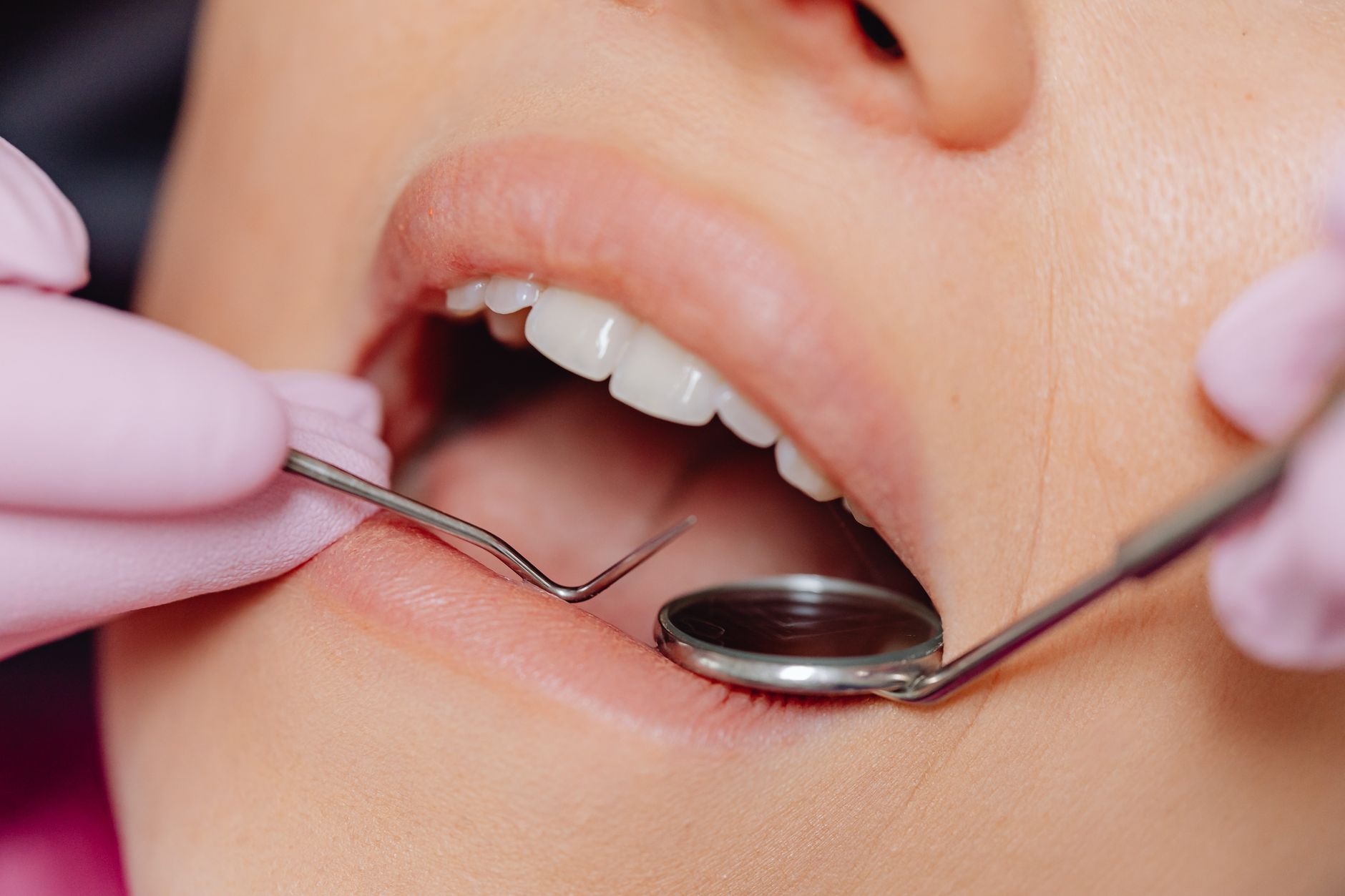
Discover the best options for replacing missing teeth, including dental implants, bridges, and dentures. Learn about pros, cons, costs, and when to see your dentist.
April 1, 2026

Learn about osteoarthritis (OA), a common joint condition. Understand its causes, symptoms, how it's diagnosed, and effective management strategies tailored for the Indian context, including lifestyle changes, medications, and when to consult a doctor.
April 1, 2026