

Free Helpline
We are here to assist you.
Health Advisor
+91-8877772277Available 7 days a week
10:00 AM – 6:00 PM to support you with urgent concerns and guide you toward the right care.

We are here to assist you.
Health Advisor
+91-8877772277Available 7 days a week
10:00 AM – 6:00 PM to support you with urgent concerns and guide you toward the right care.
Explore the common discomfort associated with Invisalign, understand what to expect, and learn practical tips for managing pain and soreness throughout your treatment journey. Discover when to consult your orthodontist for optimal results.

Many people in India are considering Invisalign as a discreet way to straighten their teeth. But a common question that pops up is: Does Invisalign hurt? The good news is that while some discomfort is possible, it's generally much less than traditional braces. Let's explore what you can expect and how to make the process as comfortable as possible.
Invisalign uses a series of custom-made clear plastic aligners to gradually move your teeth into their desired position. Unlike metal braces, which use wires and brackets, Invisalign aligners are smooth and fit snugly over your teeth. This design often leads to a more comfortable experience.
However, any orthodontic treatment that moves your teeth will likely involve some level of sensation. The discomfort you might feel from Invisalign is primarily due to the pressure applied to your teeth to shift them. This pressure is what helps to realign your smile, but it can sometimes lead to mild pain or soreness.
Most people describe the sensation from Invisalign as mild pressure or soreness, rather than sharp pain. This is often felt most strongly in the first few days after switching to a new set of aligners. Studies suggest that a significant portion of users experience mild pain, while many others report no pain at all. Some common sensations include:
It's important to remember that pain tolerance varies from person to person. What one person finds uncomfortable, another might barely notice.
The most common time to experience discomfort is:
Research indicates that this discomfort usually subsides within 2 to 3 days of starting a new aligner. As you progress through your treatment and your teeth become accustomed to the movement, the intensity of any discomfort may lessen.
When compared to traditional metal braces, Invisalign is generally considered less painful. Traditional braces involve metal wires and brackets that can sometimes cause cuts or irritation inside the mouth. The pressure from braces can also be more intense. Studies comparing the two have found that users of traditional braces tend to experience more overall pain.
One common complaint with both types of treatment, but perhaps more noticeable with aligners, is discomfort during chewing. This is because the aligners put pressure on the teeth, which can make biting down feel sensitive.
While you might experience some discomfort, there are several ways to manage it and make your Invisalign journey smoother:
While mild discomfort is normal, there are situations where you should seek professional advice:
Your orthodontist is your best resource for managing any issues related to your Invisalign treatment. They can assess your situation and provide personalized advice.
You might feel some pressure or mild soreness shortly after putting in your first aligners, as your teeth begin to move. This is normal and usually subsides within a day or two.
The discomfort typically lasts for about 2 to 3 days after you switch to a new set of aligners. It's a temporary sensation as your teeth adjust.
You need to remove your aligners before eating or drinking anything other than water. While you can eat normally, sticking to softer foods for the first few days after a tray change can help manage discomfort.
It can be normal if that specific tooth is undergoing significant movement. However, if the pain is severe or persists, it's best to check with your orthodontist.
Generally, Invisalign is considered less painful than traditional metal braces. The smooth plastic aligners are often more comfortable than wires and brackets.
Invisalign offers a comfortable and effective way to achieve a straighter smile. While mild, temporary discomfort is a possibility, it's usually manageable and less intense than with traditional braces. By understanding what to expect and following these tips, you can navigate your Invisalign treatment with greater ease and confidence. Remember, open communication with your orthodontist is key to a successful and comfortable journey towards your dream smile.

Discover the common causes of a bump on your big toe, including bone spurs, bunions, bursitis, corns, and gout. Learn about symptoms, effective treatment options, and prevention strategies for relief.
April 1, 2026
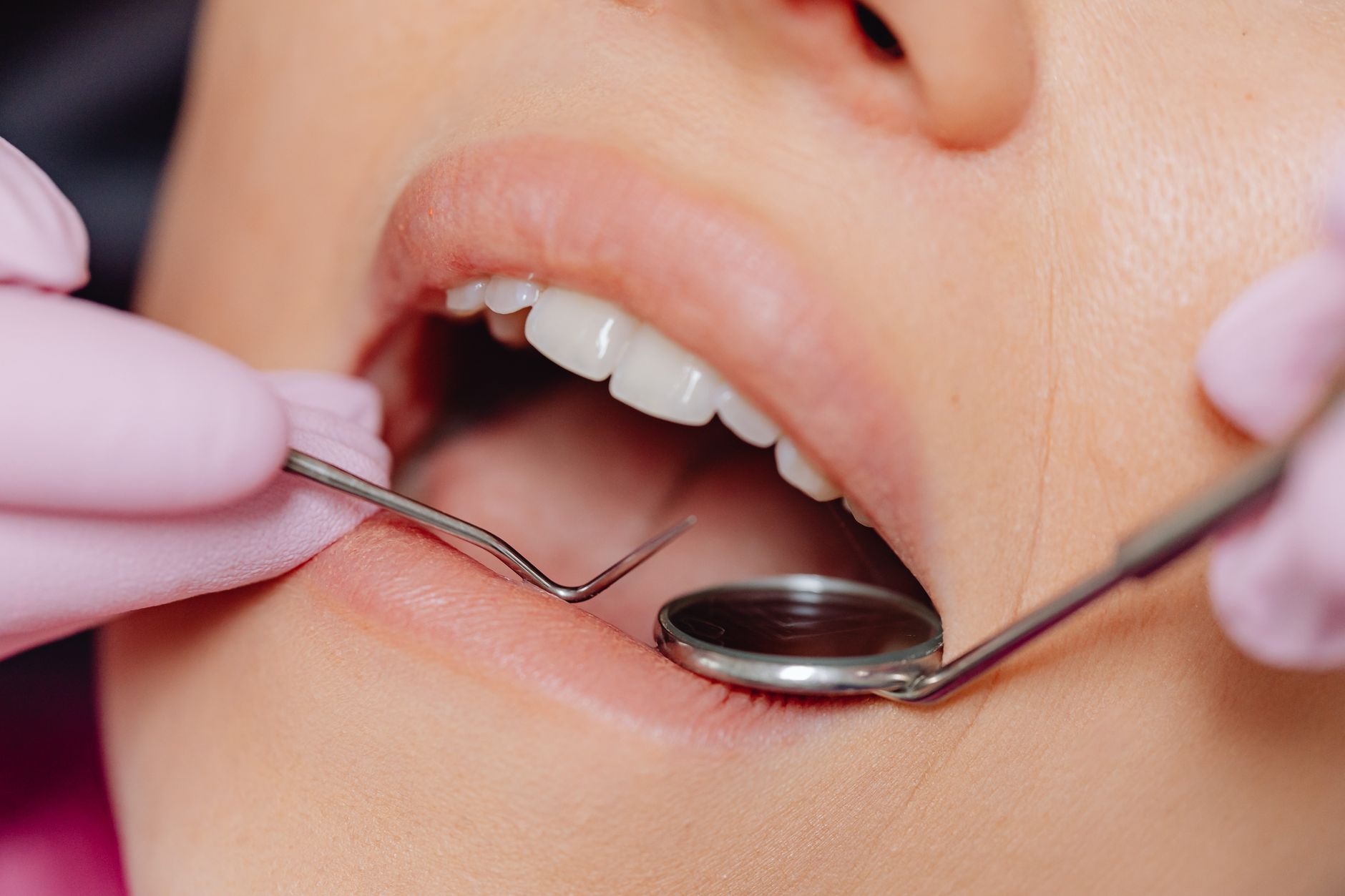
Discover the best options for replacing missing teeth, including dental implants, bridges, and dentures. Learn about pros, cons, costs, and when to see your dentist.
April 1, 2026

Learn about osteoarthritis (OA), a common joint condition. Understand its causes, symptoms, how it's diagnosed, and effective management strategies tailored for the Indian context, including lifestyle changes, medications, and when to consult a doctor.
April 1, 2026