

Free Helpline
We are here to assist you.
Health Advisor
+91-8877772277Available 7 days a week
10:00 AM – 6:00 PM to support you with urgent concerns and guide you toward the right care.

We are here to assist you.
Health Advisor
+91-8877772277Available 7 days a week
10:00 AM – 6:00 PM to support you with urgent concerns and guide you toward the right care.
Understand the dental crown procedure in India, from preparation and types of crowns to aftercare and what to expect during your appointments. Learn about same-day crowns and traditional two-visit options.

A dental crown, often called a tooth cap, is a remarkable restoration that completely encases a damaged tooth. Think of it as a protective helmet for your pearly whites! When a tooth is severely compromised due to extensive decay, injury, or even significant dental work like a root canal, a crown becomes essential. It not only restores the tooth's shape and size but also dramatically improves its strength and appearance. Imagine your tooth is a building that's lost its outer facade; a crown is the new, strong, and beautiful exterior that protects the inner structure and makes it functional again. Why Might You Need a Dental Crown? Several situations call for a dental crown. Let's break them down: To protect a weak tooth from breaking or to hold together parts of a cracked tooth: If your tooth is already weakened, a crown provides the necessary reinforcement. To restore a broken or severely worn-down tooth: Accidents happen, and teeth can wear down over time. A crown brings back the tooth's form and function. To cover and support a tooth with a filling when there isn't much tooth left: Sometimes, after extensive fillings, the remaining tooth structure is too fragile. A crown is the solution. To hold a dental bridge in place: Crowns on adjacent teeth act as anchors for a bridge, replacing missing teeth. To cover misshapen or severely discolored teeth: For aesthetic concerns, crowns can transform the look of your smile. To cover a dental implant: When you get a dental implant, a crown is placed on top to look and function like a natural tooth. After a root canal treatment: Root canal treated teeth are often brittle and need a crown for protection. What Are Dental Crowns Made Of? The materials used for dental crowns are a significant factor in their durability, appearance, and cost. Dentists in India offer a range of options: Metal Crowns: These are incredibly durable and rarely chip or break. They typically include alloys like gold, palladium, platinum, or base-metal alloys (like nickel or chromium). While strong, their metallic color might not be aesthetically pleasing for front teeth. They are often a good choice for molars where chewing forces are highest. Porcelain-Fused-to-Metal (PFM) Crowns: These offer a good balance of strength and aesthetics. The metal substructure provides durability, while the porcelain layer gives it a tooth-like color and appearance. However, the metal lining can sometimes show through as a dark line at the gum line, and the porcelain part can chip. All-Ceramic or All-Porcelain Crowns: These are the top choice for aesthetic appeal, especially for front teeth. They provide the most natural tooth-like appearance. However, they might not be as strong as metal or PFM crowns and can be more prone to chipping. Brands like E-max are popular for their excellent aesthetics and good durability for anterior teeth. Zirconia Crowns: Zirconia is a very strong type of ceramic. These crowns are known for their exceptional strength and a natural, tooth-like translucency. They are a great option for both front and back teeth and are becoming increasingly popular due to their durability and aesthetics. All-Resin Crowns: These are generally less expensive than other types but are less durable and more prone to wear and tear. They are usually a temporary solution or used for children's primary teeth. Your dentist will discuss the pros and cons of each material based on the tooth's location, your bite, and your aesthetic goals. The Dental Crown Procedure: What to Expect Getting a dental crown usually involves two appointments, but some modern dental clinics in India now offer same-day crowns. Let's explore both scenarios. The Two-Appointment Process This is the traditional method. You'll need to schedule two visits, typically spaced one to two weeks apart. First Appointment: Examination and Preparation Dental Examination: Your dentist will thoroughly examine the tooth needing the crown and the surrounding gums and bone. X-rays might be taken to get a clear view of the tooth's roots and bone structure. Tooth Preparation: The dentist will reshape the damaged tooth by removing decay and filing it down. This creates space for the crown to fit perfectly. The amount of tooth removed depends on the type of crown being fitted. Impression Taking: Once the tooth is prepared, the dentist will take precise impressions (molds) of your prepared tooth and the surrounding teeth. This is crucial for the dental laboratory to create a custom-fit crown. Digital scanning is also becoming common, offering a more comfortable and accurate alternative to traditional molds. Temporary Crown Placement: A temporary crown, usually made of acrylic or plastic, will be placed over the prepared tooth. This protects it from damage and sensitivity while the permanent crown is being made in the lab. You'll need to be careful with this temporary crown, avoiding sticky or hard foods. Second Appointment: Permanent Crown Placement Temporary Crown Removal: Your dentist will carefully remove the temporary crown. Checking the Fit: The permanent crown, now crafted to your tooth's exact specifications, will be tried on. Your dentist will check its fit, color, and bite. Adjustments can be made if needed. Cementation: Once you and your dentist are happy with the fit and appearance, the permanent crown will be cemented into place using strong dental cement. Excess cement will be cleaned away. Final Check: Your dentist will ensure the crown feels comfortable and functions correctly when you bite. The Same-Day Crown Procedure Thanks to advanced technology like CEREC (Chairside Economical Restoration of Esthetic Ceramics), many dental clinics can now create and fit your permanent crown in a single visit. This is a significant convenience! Here's how it typically works: Examination and Preparation: Similar to the first step in the two-appointment process, your tooth will be examined and prepared. Digital Scanning: Instead of traditional impressions, a high-tech intraoral scanner captures detailed 3D images of your prepared tooth and surrounding teeth. In-Office Milling: These digital scans are used to design your crown using specialized CAD (Computer-Aided Design) software. The design is then sent to an in-house milling machine that carves the crown from a solid block of ceramic material (like zirconia or porcelain). Bonding the Crown: Once the milling is complete, the new crown is polished and permanently bonded to your prepared tooth. The entire same-day procedure can take anywhere from 2 to 4 hours, depending on the complexity and the technology used by the clinic. It's a marvel of modern dentistry! What About Pain and Anesthesia? Don't worry about pain! Your dentist will administer a local anesthetic to numb the area around the tooth. You'll feel pressure or tugging, but you shouldn't experience sharp pain. If you have significant dental anxiety, discuss sedation options with your dentist beforehand. For most people, the procedure is quite manageable. Caring for Your Dental Crown Dental crowns are durable, but they still require good oral hygiene practices to last for many years. Think of them as part of your natural teeth! Brush Regularly: Brush your teeth at least twice a day with fluoride toothpaste. Pay special attention to the gum line where the crown meets your tooth. Floss Daily: Flossing is essential to remove plaque and food particles from between teeth and under the crown's edge. Avoid Hard Foods: Try not to bite down on very hard items like ice, hard candies, or nuts directly with your crowned tooth, especially if it's a ceramic crown, as it can chip. Limit Sugary Foods and Drinks: These can contribute to decay on the remaining part of your tooth under the crown or on adjacent teeth. Visit Your Dentist Regularly: Regular dental check-ups (usually every six months) are vital for monitoring the crown's condition and your overall oral health. Don't Ignore Discomfort: If you experience pain, sensitivity, or notice the crown feels loose, contact your dentist immediately. When to Consult a Doctor While a dental crown is a common procedure, you should consult your dentist if you experience any of the following: Severe toothache or pain around the crowned tooth. The crown feels loose or has come off completely. Swelling or redness in the gums around the crown. A bad taste or persistent bad breath originating from the crowned tooth area. Chipping or cracking of the crown itself. Early detection and intervention are key to maintaining the health of your crowned tooth and preventing further complications. Frequently Asked Questions (FAQs) Q1: How long do dental crowns typically last? With proper care and good oral hygiene, dental crowns can last anywhere from 5 to 15 years, and sometimes even longer. Factors like the material of the crown, your oral habits, and regular dental check-ups play a role in their longevity. Q2: Is getting a dental crown painful? No, the procedure itself is generally not painful. Local anesthesia is used to numb the area, so you should only feel pressure. After the anesthesia wears off, you might experience some mild sensitivity, which usually subsides within a few days. Q3: Can a crown fall off? While rare, it is possible for a crown
In summary, timely diagnosis, evidence-based treatment, and prevention-focused care improve long-term health outcomes.

Discover the common causes of a bump on your big toe, including bone spurs, bunions, bursitis, corns, and gout. Learn about symptoms, effective treatment options, and prevention strategies for relief.
April 1, 2026
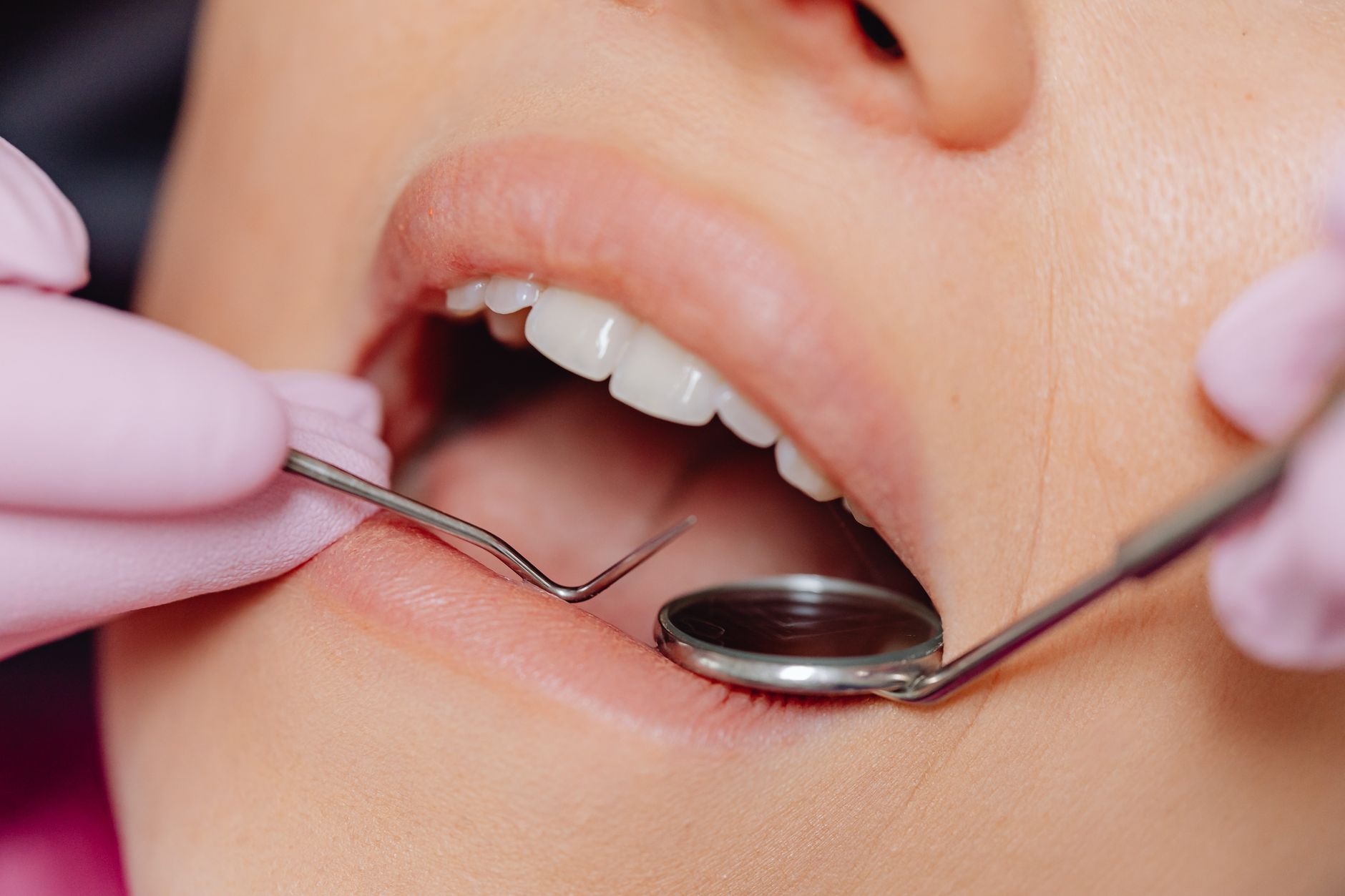
Discover the best options for replacing missing teeth, including dental implants, bridges, and dentures. Learn about pros, cons, costs, and when to see your dentist.
April 1, 2026

Learn about osteoarthritis (OA), a common joint condition. Understand its causes, symptoms, how it's diagnosed, and effective management strategies tailored for the Indian context, including lifestyle changes, medications, and when to consult a doctor.
April 1, 2026