

Free Helpline
We are here to assist you.
Health Advisor
+91-8877772277Available 7 days a week
10:00 AM – 6:00 PM to support you with urgent concerns and guide you toward the right care.

We are here to assist you.
Health Advisor
+91-8877772277Available 7 days a week
10:00 AM – 6:00 PM to support you with urgent concerns and guide you toward the right care.
Explore the potential benefits and risks of cryotherapy for managing rheumatoid arthritis. Learn how cold therapy might help reduce pain and inflammation in RA patients.

Rheumatoid Arthritis (RA) is a chronic autoimmune disease that primarily affects the joints, causing inflammation, pain, stiffness, and swelling. In RA, the body's immune system mistakenly attacks its own tissues, particularly the synovium, the lining of the membranes that surround the joints. This leads to a cascade of inflammatory responses that can damage cartilage, bone, and ligaments, leading to joint deformity and loss of function over time. While RA can affect any joint, it commonly impacts the smaller joints of the hands, wrists, and feet, often symmetrically.
Living with RA can be challenging, impacting daily activities and overall quality of life. Management typically involves a combination of medication, physical therapy, lifestyle adjustments, and sometimes surgery. In the ongoing search for effective treatments, new and innovative therapies are constantly being explored. One such therapy gaining attention is cryotherapy.
Cryotherapy, literally meaning 'cold therapy,' is a treatment that involves exposing the body to extremely low temperatures for a short duration. This can be done in various ways:
The primary goal of cryotherapy is to reduce inflammation, numb pain, and stimulate the body's natural healing processes by constricting blood vessels and lowering the temperature of the affected tissues. This temporary cooling effect can help to decrease nerve activity, slow down inflammatory responses, and reduce swelling.
The application of cryotherapy for managing rheumatoid arthritis is an area of growing interest, though research is still in its early stages. Several studies have explored its potential benefits:
One of the most commonly reported benefits of cryotherapy for RA is pain relief. A 2021 study highlighted that cold air therapy and ice massage, both forms of cryotherapy, provided immediate pain relief that lasted for at least 60 minutes in participants. Furthermore, a 2022 study involving 56 individuals found that whole-body cryotherapy significantly reduced pain levels compared to a control group. This pain reduction was sustained even at a 12-week follow-up, suggesting a potentially lasting effect.
Inflammation is a hallmark of rheumatoid arthritis. Researchers believe that cryotherapy may help combat this by targeting specific substances in the body that contribute to RA's severity. A 2019 study suggested that cryotherapy could have anti-inflammatory effects by influencing proinflammatory cytokines, such as tumor necrosis factor-alpha (TNF-alpha) and macrophage migration inhibitory factor. These cytokines play a crucial role in the development and progression of RA. By potentially suppressing these inflammatory markers, cryotherapy might help reduce the chronic inflammation associated with the condition.
Beyond pain and inflammation, cryotherapy may also contribute to improved joint function and reduced swelling. The cold temperatures can help constrict blood vessels, which may decrease edema (swelling) in the affected joints. While more extensive research is needed, some preliminary findings suggest that cryotherapy, including local applications like ice packs and ice baths, could help manage chronic pain and improve joint mobility in conditions like RA.
Based on current research, the potential benefits of cryotherapy for rheumatoid arthritis include:
While cryotherapy is generally considered safe when administered by trained professionals, it's essential to be aware of potential risks:
Important Contraindications: Cryotherapy is not suitable for everyone. Individuals with certain medical conditions should avoid it, including:
Cryotherapy might be a beneficial complementary therapy for individuals with RA who:
Before considering cryotherapy for rheumatoid arthritis, it is crucial to consult with your rheumatologist or a qualified healthcare professional. They can:
Remember: Cryotherapy should be seen as a complementary therapy, not a replacement for prescribed medications or standard medical care for rheumatoid arthritis. While promising, more extensive research is needed to fully establish its long-term efficacy and optimal protocols for RA management.

Discover the common causes of a bump on your big toe, including bone spurs, bunions, bursitis, corns, and gout. Learn about symptoms, effective treatment options, and prevention strategies for relief.
April 1, 2026
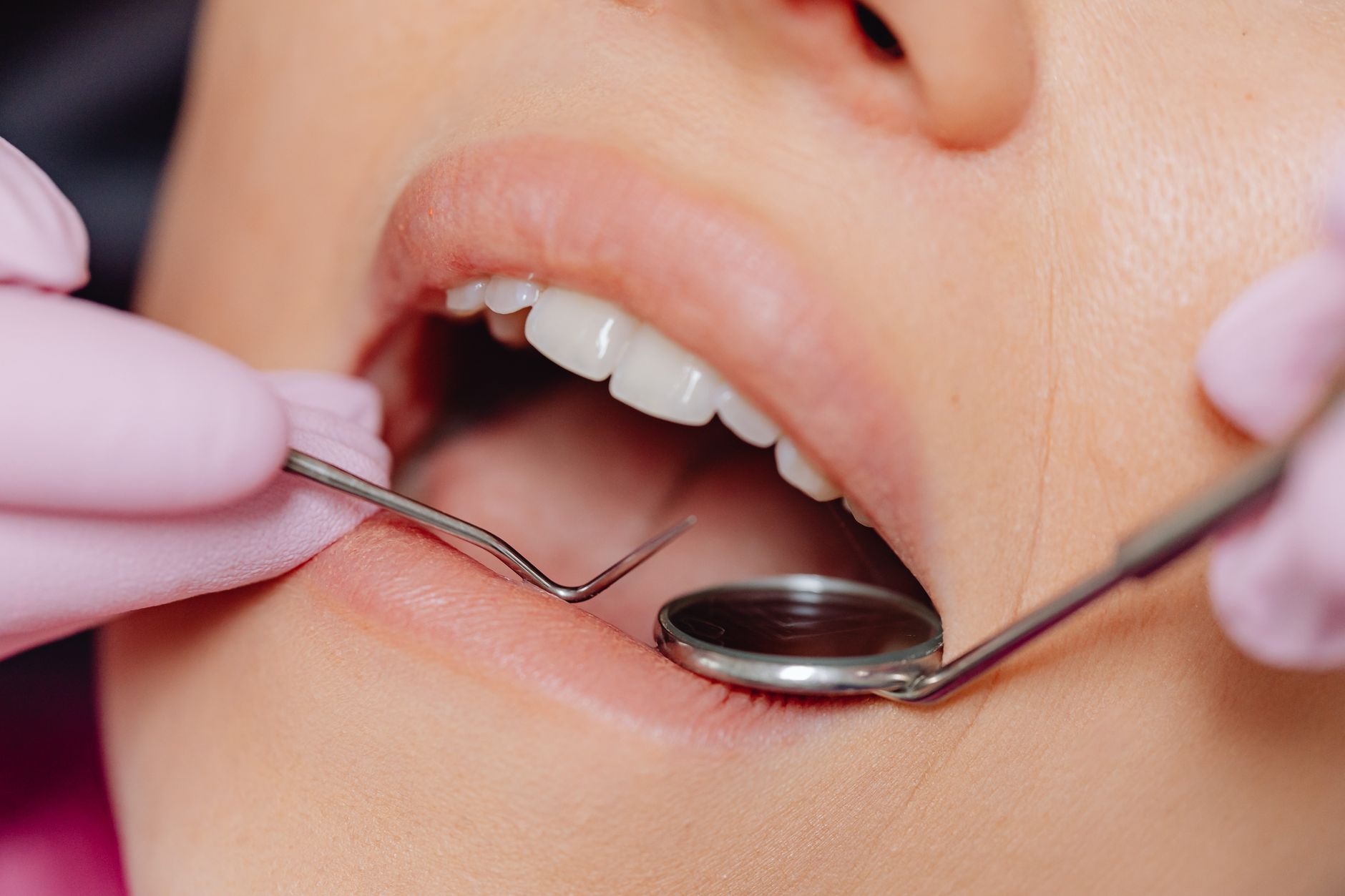
Discover the best options for replacing missing teeth, including dental implants, bridges, and dentures. Learn about pros, cons, costs, and when to see your dentist.
April 1, 2026

Learn about osteoarthritis (OA), a common joint condition. Understand its causes, symptoms, how it's diagnosed, and effective management strategies tailored for the Indian context, including lifestyle changes, medications, and when to consult a doctor.
April 1, 2026