

Free Helpline
We are here to assist you.
Health Advisor
+91-8877772277Available 7 days a week
10:00 AM – 6:00 PM to support you with urgent concerns and guide you toward the right care.

We are here to assist you.
Health Advisor
+91-8877772277Available 7 days a week
10:00 AM – 6:00 PM to support you with urgent concerns and guide you toward the right care.
Explore the connection between scoliosis, particularly mild cases, and breathing difficulties. Understand symptoms, diagnosis, and management strategies for better respiratory health.

Understanding Scoliosis and Its Impact on Breathing Scoliosis is a medical condition characterized by the abnormal curvature of the spine. Instead of a straight line, the spine develops an 'S' or 'C' shape. While many people associate scoliosis with visible posture changes and back pain, a crucial aspect that often goes unaddressed is its potential impact on breathing. This article delves into the relationship between scoliosis, particularly mild cases, and respiratory function, offering insights relevant to individuals in India seeking to understand this condition better. What is Scoliosis? The spine is made up of vertebrae, which normally stack up in a straight line. In scoliosis, one or more vertebrae rotate or curve sideways. This curvature can occur anywhere along the spine, but it is most common in the thoracic (mid-back) and lumbar (lower back) regions. The severity of scoliosis is measured by the Cobb angle, which quantifies the degree of spinal curvature. Classifying Scoliosis Severity Understanding the different classifications of scoliosis is key to comprehending its potential effects: Mild Scoliosis: Typically defined by a spinal curve between 10 and 25 degrees. In most mild cases, breathing is not significantly affected. Moderate Scoliosis: Characterized by a curve between 25 and 40 degrees. Some impact on lung capacity may begin to be noticeable, especially during strenuous activity. Severe Scoliosis: Involves a curve greater than 40 degrees. At this stage, the curvature can start to compress the ribcage, impacting the lungs' ability to expand fully. Very Severe Scoliosis: A curve exceeding 80 degrees. This level of curvature almost invariably leads to significant respiratory issues. How Scoliosis Affects Breathing The primary way scoliosis can affect breathing is through the compression of the ribcage. When the spine curves significantly, it can pull the ribs out of alignment, reducing the space available for the lungs to expand. This restriction makes deep or slow breaths difficult. The effect is more pronounced when the curvature is in the upper or middle parts of the spine, as these areas are more directly connected to the ribcage and lungs. Key factors influencing breathing problems: Severity of the Curve: As highlighted by the Cobb angle classifications, the greater the spinal curve, the higher the likelihood of respiratory compromise. Mild scoliosis (under 25 degrees) rarely causes breathing issues. Location of the Curve: Curves in the thoracic spine are more likely to impact breathing than those in the lumbar spine. Progression of the Curve: Untreated or progressive scoliosis can worsen over time, increasing the pressure on the lungs. Age: While scoliosis can affect individuals of all ages, adults with long-standing scoliosis may experience more pronounced breathing difficulties compared to children, as their respiratory system is fully developed and may have been subjected to the curve for longer. Symptoms of Breathing Difficulties in Scoliosis Individuals with scoliosis experiencing breathing problems might notice the following symptoms, especially during physical exertion: A persistent feeling of breathlessness or not being able to catch one's breath. Difficulty taking deep or slow breaths. Increased fatigue during physical activities. Shortness of breath during exercise or exertion. It is important to note that these symptoms are more commonly associated with moderate to severe scoliosis. If you have mild scoliosis and experience these symptoms, it is essential to consult a doctor to rule out other potential causes. Diagnosis of Scoliosis and Breathing Issues Diagnosing scoliosis typically involves a physical examination, including observing posture and spinal alignment. X-rays are used to measure the Cobb angle and confirm the diagnosis. If breathing difficulties are suspected, a doctor may recommend pulmonary function tests (PFTs). These tests measure how well your lungs work by assessing lung volume, capacity, rate of flow, and gas exchange. PFTs can help quantify the extent of respiratory impairment caused by scoliosis. Treatment and Management Strategies The treatment approach for scoliosis-related breathing problems depends on the severity of both the scoliosis and the respiratory symptoms. The primary goal is to manage the scoliosis and improve lung function. Lifestyle Modifications: Quitting Smoking: For smokers, quitting is paramount. Smoking significantly worsens lung function and can exacerbate breathing difficulties, especially in individuals with scoliosis. Maintaining a Healthy Weight: Being overweight or underweight can affect posture and put additional strain on the respiratory system. Achieving and maintaining a healthy weight can help alleviate pressure on the ribcage and improve breathing. Low-Impact Exercise: Activities like swimming, walking, and cycling can improve cardiovascular health and lung capacity without putting excessive stress on the spine. Therapeutic Interventions: Physical Therapy: A tailored physical therapy program can help improve posture, strengthen core muscles, enhance breath control, and increase range of motion. This can lead to better spinal alignment and improved breathing mechanics. Yoga and Pilates: These practices focus on core strength, flexibility, posture, and controlled breathing, which can be highly beneficial for managing scoliosis and improving respiratory function. Medical Interventions: Bracing: For growing children and adolescents with moderate scoliosis, braces can help prevent the curve from worsening. While bracing doesn't typically reverse the curve, it can halt progression, potentially preventing future breathing complications. Surgery: In severe cases of scoliosis, especially when breathing is significantly compromised, spinal fusion surgery may be recommended. This procedure aims to correct the spinal curvature, stabilize the spine, and relieve pressure on the lungs, thereby improving respiratory function. Can You Live an Active Life with Scoliosis? Absolutely. Many individuals with scoliosis, even those with moderate curves, lead full and active lives. Early diagnosis, appropriate management, and adherence
In summary, timely diagnosis, evidence-based treatment, and prevention-focused care improve long-term health outcomes.

Discover the common causes of a bump on your big toe, including bone spurs, bunions, bursitis, corns, and gout. Learn about symptoms, effective treatment options, and prevention strategies for relief.
April 1, 2026
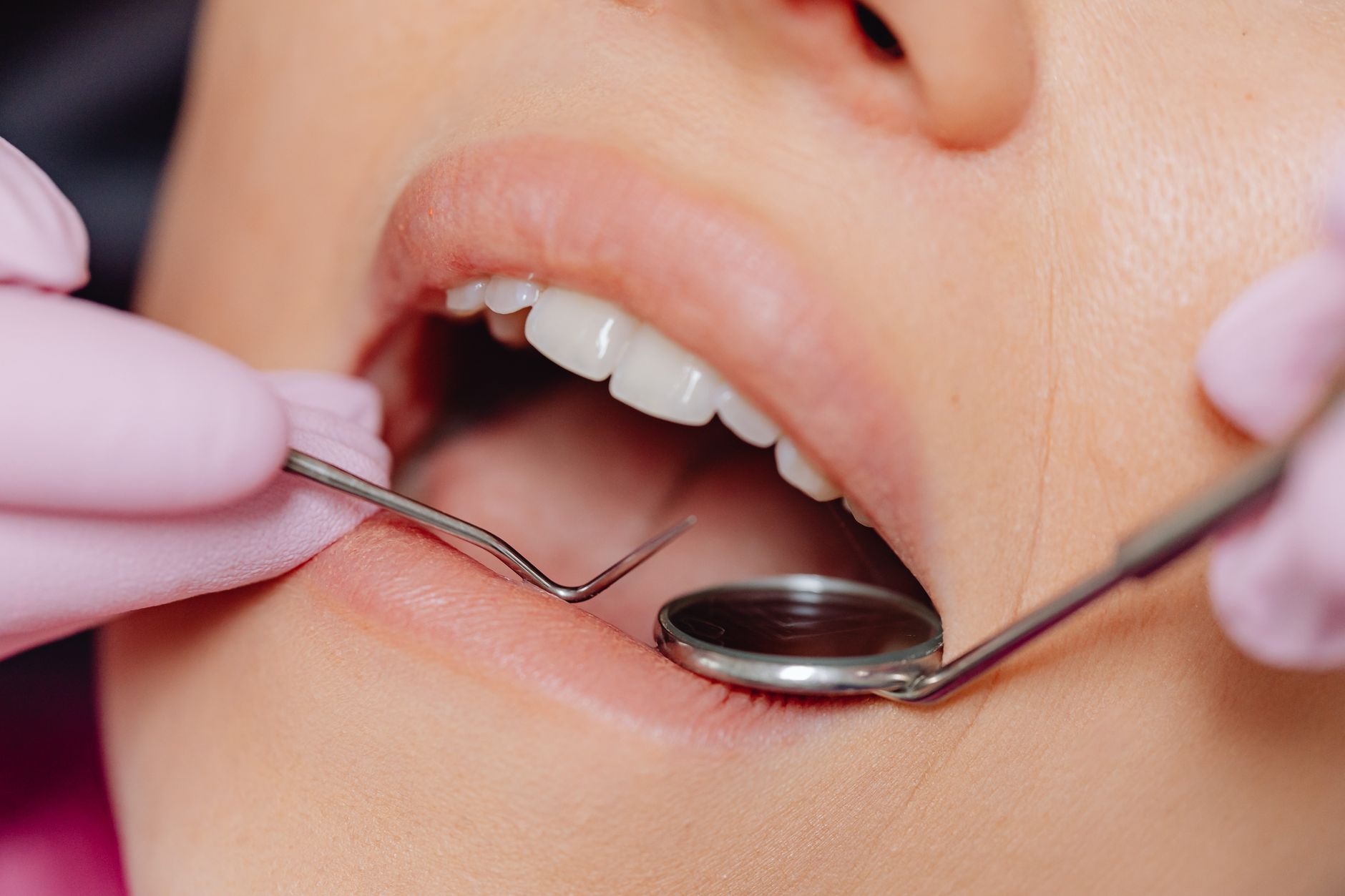
Discover the best options for replacing missing teeth, including dental implants, bridges, and dentures. Learn about pros, cons, costs, and when to see your dentist.
April 1, 2026

Learn about osteoarthritis (OA), a common joint condition. Understand its causes, symptoms, how it's diagnosed, and effective management strategies tailored for the Indian context, including lifestyle changes, medications, and when to consult a doctor.
April 1, 2026