

Free Helpline
We are here to assist you.
Health Advisor
+91-8877772277Available 7 days a week
10:00 AM – 6:00 PM to support you with urgent concerns and guide you toward the right care.

We are here to assist you.
Health Advisor
+91-8877772277Available 7 days a week
10:00 AM – 6:00 PM to support you with urgent concerns and guide you toward the right care.
Discover if avocado can be a healthy part of your diet when managing gout. Learn about its benefits, how it helps reduce inflammation, and delicious ways to include it in your meals.

Gout. The very word can bring a wince of pain to those who have experienced its sudden, fiery onset. It's a type of inflammatory arthritis, a condition that can strike with little warning, leaving a joint – often the big toe, but sometimes wrists, knees, or ankles – throbbing, swollen, and stiff. For many in India, and indeed around the world, understanding and managing gout is a significant part of maintaining a good quality of life. The culprit? Often, it’s linked to high levels of uric acid in the blood, a condition known as hyperuricemia. Your body naturally produces uric acid as it breaks down purines, but certain foods can also contribute. When uric acid levels get too high, these tiny crystals can form and deposit themselves in your joints, leading to those excruciating gout attacks. The good news is that while there's no outright cure for gout, it is absolutely manageable. Think of it as a partnership between you and your doctor, with lifestyle changes playing a starring role. And a healthy diet? It’s not just a supporting actor; it’s a leading player in the quest to control gout. This is where a seemingly simple fruit, the humble avocado, steps into the spotlight. Can this creamy, green delight really be a friend to those battling gout? Let's find out! What Exactly is Gout? Before we dive into avocados, let’s get a clearer picture of gout itself. As mentioned, it’s a form of inflammatory arthritis. It happens when your body has too much uric acid. Normally, your kidneys filter out most of this uric acid, but if your body produces too much or your kidneys can't remove enough, it builds up. This excess uric acid can form needle-like crystals in your joints and surrounding tissues. These crystals trigger inflammation, leading to the sudden, severe pain, redness, and swelling characteristic of a gout attack. These attacks can be debilitating, making even simple movements a challenge. While the big toe is the most common site, gout can affect other joints too. The challenge lies in managing these uric acid levels, and a cornerstone of this management is often dietary adjustment. The Role of Diet in Gout Management For centuries, dietary advice for gout has focused heavily on avoiding foods high in purines, the compounds that break down into uric acid. Think red meats, organ meats, and certain seafood. And while this remains important, our understanding has evolved. It's not just about what to avoid, but also about what to include. A diet rich in fruits, vegetables, whole grains, and low-fat dairy products has been shown to be beneficial. A significant study in 2017 highlighted that men who adopted such a diet saw a reduced risk of gout. Conversely, limiting fried foods, refined grains, and sugary drinks also helps. The goal is to create an internal environment that discourages uric acid crystal formation and reduces inflammation. Avocado: A Nutritional Powerhouse Now, let's talk about the star of our discussion: the avocado. This fruit, often mistaken for a vegetable, is a nutritional marvel. It’s packed with beneficial compounds that extend far beyond its creamy texture and delicious taste. Nutritional Profile of Avocados Healthy Fats: The majority of fat in avocados is oleic acid, a monounsaturated fatty acid. These are the “good fats” that are excellent for heart health. They help improve cholesterol levels by increasing HDL (good cholesterol) and lowering LDL (bad cholesterol). Fiber: Avocados are a great source of dietary fiber. Fiber is essential for digestion, helps in maintaining stable blood sugar levels, and promotes a feeling of fullness, which can be helpful for weight management – a key factor in gout control. Vitamins and Minerals: They are rich in essential vitamins like Vitamin E, Vitamin K, Vitamin C, and several B vitamins. They also provide vital minerals such as potassium, which is important for regulating blood pressure. Antioxidants: This is a big one for gout sufferers! Avocados contain powerful antioxidants, including lutein. Antioxidants combat oxidative stress and inflammation in the body. A 2016 review noted that antioxidant-rich foods can significantly improve gout symptoms by fighting inflammation and neutralizing harmful free radicals. Low in Purines: Crucially for gout patients, avocados are naturally low in purines. This means they don't contribute significantly to the body's uric acid load. How Avocados Can Help with Gout Given their impressive nutritional profile, it's no surprise that avocados can be a valuable addition to a gout-friendly diet. Here’s how: Reducing Inflammation: The high antioxidant content, particularly Vitamin E, in avocados works to combat the inflammation that is the hallmark of a gout attack. By reducing overall inflammation, avocados can help soothe existing symptoms and potentially lessen the frequency or severity of future flare-ups. Fighting Free Radicals: Oxidative stress, caused by an imbalance of free radicals, can exacerbate inflammatory conditions like gout. The antioxidants in avocados help neutralize these free radicals, protecting your cells and tissues. Promoting a Healthy Weight: Maintaining a healthy weight is vital for managing gout, as excess weight puts more pressure on joints and can increase uric acid levels. The fiber and healthy fats in avocados promote satiety, helping you feel full longer and potentially reducing overall calorie intake. Supporting Heart Health: Gout sufferers often have a higher risk of heart disease. The monounsaturated fats and potassium in avocados contribute to better cardiovascular health, addressing this co-existing concern. Incorporating Avocado into Your Gout Diet Adding avocado to your meals is surprisingly easy and versatile. Forget the idea that it's just for guacamole! Simple and Delicious Ways to Eat Avocado As a Simple Snack: Slice an avocado and enjoy it with a sprinkle of salt, pepper, or your favourite herbs. It’s a quick, satisfying, and healthy snack. On Whole Grains: Spread mashed avocado on whole grain toast or crackers for a nutritious breakfast or snack. In Salads: Add cubes or slices of avocado to any salad for a creamy texture and extra nutrients. With Eggs: Top your scrambled eggs or omelettes with avocado slices. In Smoothies: Blend avocado into your morning smoothie. It adds a wonderful creaminess without overpowering the flavour and boosts the nutritional content. As a Guacamole: Of course, the classic guacamole is a fantastic option! Make it with fresh tomatoes, onions, cilantro, and lime juice. Serve with baked tortilla chips or vegetable sticks. As a Dressing or Sauce: Blend avocado with lime juice, garlic, and herbs to create a creamy, healthy salad dressing or a sauce for grilled chicken or fish. With Lentils or Beans: Add diced avocado to lentil soups or bean salads for added richness and flavour. Moderation is Key While avocados are incredibly healthy, they are also calorie-dense due to their high fat content. For individuals managing their weight as part of their gout treatment plan, moderation is essential. Enjoy avocados as part of a balanced diet, paying attention to portion sizes. Think of a quarter to half an avocado per serving as a good guideline. Beyond Avocado: Other Gout-Friendly Foods While avocado is a great addition, remember that a holistic dietary approach is most effective. Focus on: Plenty of Water: Staying well-hydrated helps your kidneys flush out uric acid. Aim for 8-10 glasses of water daily. Low-Fat Dairy: Studies suggest low-fat dairy products may help lower uric acid levels. Complex Carbohydrates: Whole grains, fruits, and vegetables provide essential nutrients and fiber. Vitamin C-Rich Foods: Foods like citrus fruits, bell peppers, and amla may help lower uric acid levels. Cherries: Some research suggests cherries and cherry juice may help reduce gout attacks. Foods to Limit or Avoid Continue to be mindful of foods high in purines: Red meat (beef, lamb, pork) Organ meats (liver, kidney) Certain seafood (sardines, anchovies, mussels, scallops, trout, haddock) Alcohol, especially beer Sugary drinks and foods with high fructose corn syrup When to Consult a Doctor Managing gout isn't just about diet; it’s a medical condition that requires professional guidance. You should consult a doctor if: You suspect you have gout for the first time. Your gout attacks are frequent or severe. Your current treatment plan isn't effectively controlling your symptoms. You experience joint damage or tophi (lumps of uric acid crystals under the skin). You have other health conditions like kidney disease, heart disease, or high blood pressure. Your doctor can provide an accurate diagnosis, prescribe medications to manage uric acid levels and inflammation, and offer personalized advice on diet and lifestyle changes. They might also refer you to a dietitian or nutritionist for more detailed dietary planning. Frequently Asked Questions (FAQ) Can I eat avocado every day if I have gout? While avocados are healthy and low in purines, they are calorie-dense. Eating them in moderation, perhaps a quarter to half an avocado per day as part of a balanced diet, is generally recommended. Listen to your body and discuss your intake with your doctor or a dietitian. Are avocados high in purines? No, avocados are considered a low-purine food. This makes them a suitable choice for individuals managing gout. Does avocado help reduce
In summary, timely diagnosis, evidence-based treatment, and prevention-focused care improve long-term health outcomes.

Discover the common causes of a bump on your big toe, including bone spurs, bunions, bursitis, corns, and gout. Learn about symptoms, effective treatment options, and prevention strategies for relief.
April 1, 2026
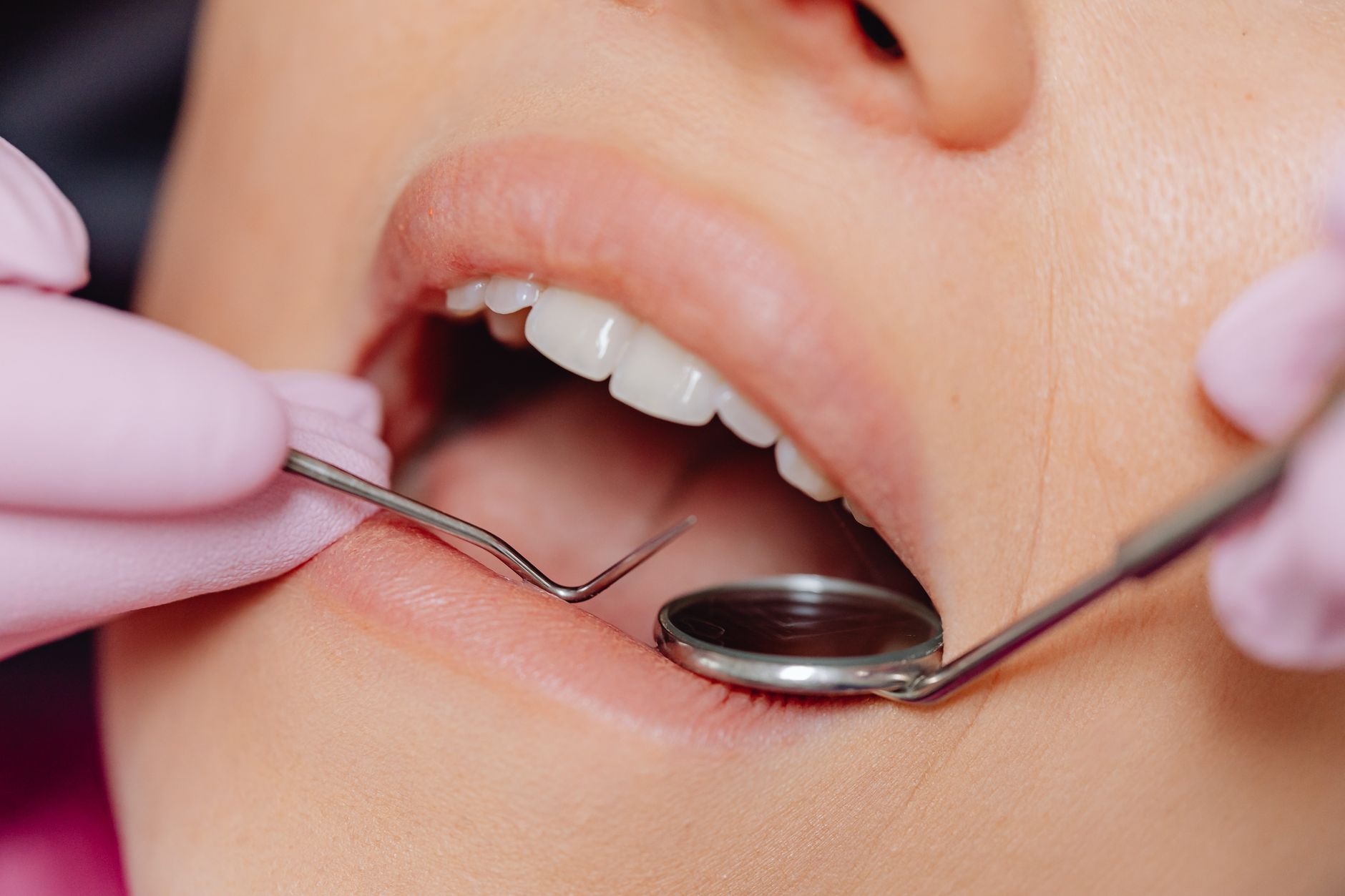
Discover the best options for replacing missing teeth, including dental implants, bridges, and dentures. Learn about pros, cons, costs, and when to see your dentist.
April 1, 2026

Learn about osteoarthritis (OA), a common joint condition. Understand its causes, symptoms, how it's diagnosed, and effective management strategies tailored for the Indian context, including lifestyle changes, medications, and when to consult a doctor.
April 1, 2026