

Free Helpline
We are here to assist you.
Health Advisor
+91-8877772277Available 7 days a week
10:00 AM – 6:00 PM to support you with urgent concerns and guide you toward the right care.

We are here to assist you.
Health Advisor
+91-8877772277Available 7 days a week
10:00 AM – 6:00 PM to support you with urgent concerns and guide you toward the right care.
Learn about allografts (donor tissue) and autografts (your own tissue) for transplantation surgeries. Understand the benefits, risks, and when to consult a doctor.

Millions of individuals worldwide undergo tissue transplantation each year to repair or replace vital tissues such as skin, bones, heart valves, and blood vessels. In India, as across the globe, these procedures are crucial for restoring function and improving quality of life. Surgeons prepare millions of tissue grafts annually, with a significant number successfully transplanted. Common tissues include bones, tendons, ligaments, skin, heart valves, blood vessels, and corneas. While both autografts and allografts are generally safe and effective, understanding their differences is key to informed medical decisions. Research consistently shows that both graft types can lead to substantial improvements for patients needing tissue transplants.
Tissue transplantation, also known as tissue grafting, is a surgical procedure where damaged, diseased, or missing tissue is replaced with healthy, transplanted tissue. The two primary types of tissue grafts used are:
Tissue grafting is particularly common in orthopedic surgeries, such as Anterior Cruciate Ligament (ACL) reconstruction or spinal fusion procedures. The choice between an autograft and an allograft depends on various factors, including the specific tissue needed, the patient's overall health, and the surgeon's recommendation.
An autograft utilizes tissue sourced directly from the patient's own body. This means the tissue is a perfect match for the recipient's immune system, significantly reducing the risk of rejection. Another advantage is the absence of disease transmission from an external source. Furthermore, autograft tissue typically does not incur additional costs, unlike allografts which can increase the overall surgical expenses.
While autografts offer significant advantages, they are not without potential drawbacks. A primary concern is the need to harvest tissue from a donor site on the patient's body. This can lead to:
An allograft involves transplanting tissue from a donor (either deceased or living) into the recipient. Orthopedic surgeons, for example, transplant over a million allografts annually. These grafts are typically sourced from cadavers as part of organ or tissue donation programs, though living donors can also be a source.
Despite the benefits, allografts also come with specific considerations:
The decision between an allograft and an autograft is highly individualized and should be made in consultation with your healthcare provider. Factors influencing this choice include:
While both types of tissue grafts can yield successful outcomes, the surgical process and recovery journey can differ significantly. Your doctor will discuss these options thoroughly, explaining the pros and cons in the context of your unique situation.
It is essential to consult a doctor if you are experiencing significant pain, loss of function, or have suffered an injury that may require tissue transplantation. If you have been diagnosed with a condition that necessitates a tissue graft, schedule an appointment with a specialist, such as an orthopedic surgeon or a plastic surgeon, to discuss your treatment options. Early consultation can lead to better outcomes and a smoother recovery process.
While tissue transplantation is often a response to injury or disease, maintaining a healthy lifestyle can support overall tissue health and potentially reduce the risk of conditions requiring grafts. This includes:
By understanding the nuances of allografts and autografts, patients can engage more effectively in their healthcare decisions, leading to more confident and successful treatment journeys.

Discover the common causes of a bump on your big toe, including bone spurs, bunions, bursitis, corns, and gout. Learn about symptoms, effective treatment options, and prevention strategies for relief.
April 1, 2026
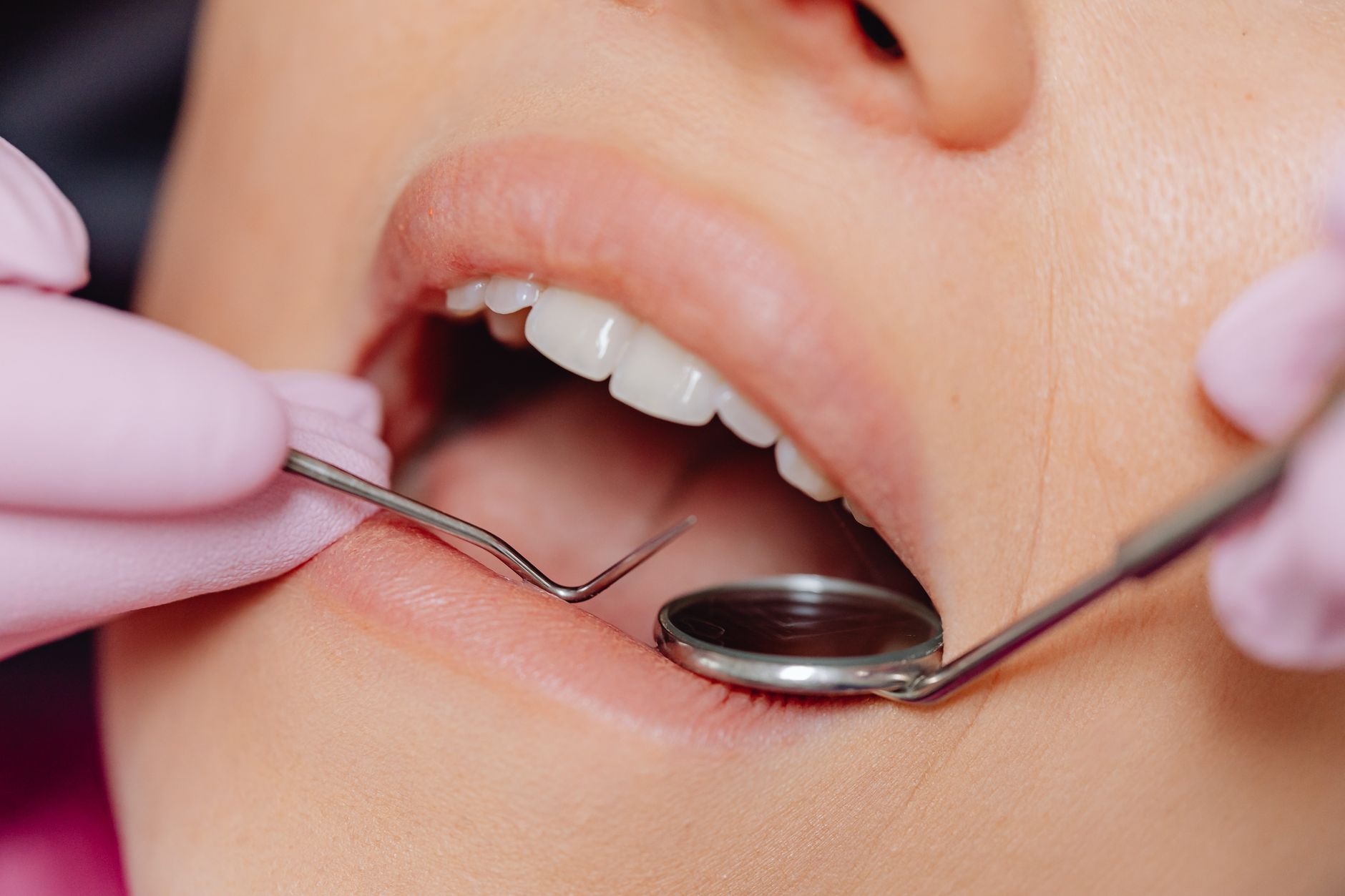
Discover the best options for replacing missing teeth, including dental implants, bridges, and dentures. Learn about pros, cons, costs, and when to see your dentist.
April 1, 2026

Learn about osteoarthritis (OA), a common joint condition. Understand its causes, symptoms, how it's diagnosed, and effective management strategies tailored for the Indian context, including lifestyle changes, medications, and when to consult a doctor.
April 1, 2026