

Emergency & Help
24/7 Emergency & General Advisory
🚨 24/7 Medical Emergency
Non-Emergency Advisory
10:00 AM – 6:00 PM, Mon–Sat
For appointments & general queries.
24/7 Emergency & General Advisory
🚨 24/7 Medical Emergency
Non-Emergency Advisory
10:00 AM – 6:00 PM, Mon–Sat
For appointments & general queries.
Learn what tooth cavities look like, recognize the common symptoms, understand the causes, and discover effective prevention strategies to maintain a healthy smile.
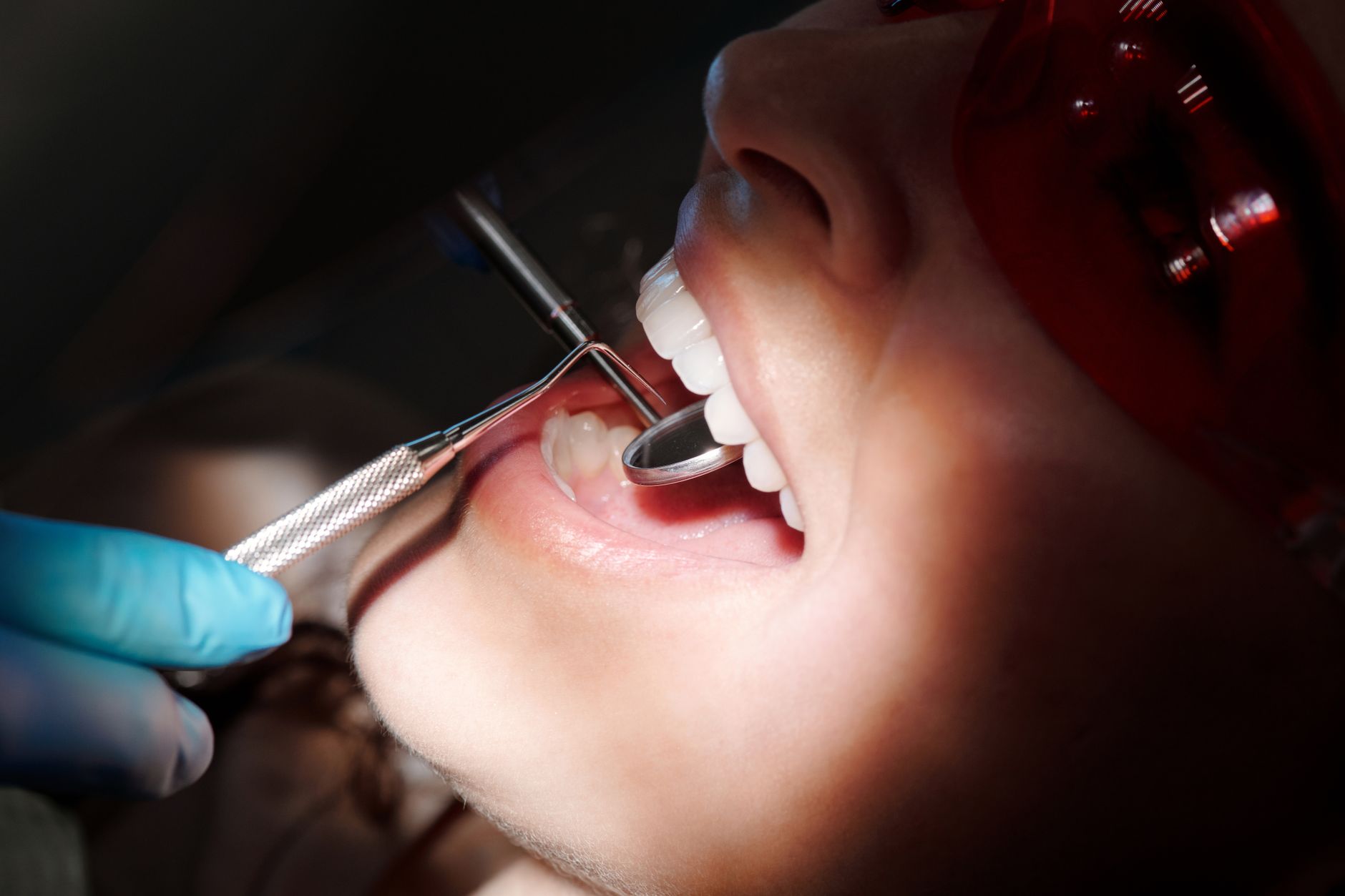
No one likes hearing the words "you have a cavity." It’s a common dental issue, but understanding what a cavity is, how it looks, and what to do about it can ease anxiety and help you maintain a healthy smile. This guide will walk you through the visual signs of a cavity, the symptoms you might experience, and the essential steps for prevention. We’ll cover everything from early demineralization to when it’s time to call your dentist. What Exactly is a Tooth Cavity? A tooth cavity, also known as tooth decay or caries, is essentially a hole that forms in your tooth. This happens over time as bacteria in your mouth feed on sugars from the food and drinks you consume. These bacteria produce acids that attack your tooth enamel, the hard outer layer of your teeth. If left unchecked, these acids can wear away the enamel, creating tiny openings that eventually become cavities. Visual Signs: What Does a Cavity Look Like? Spotting a cavity can sometimes be tricky, especially in its early stages. Dentists often detect them during routine check-ups using specialized tools or X-rays. However, as a cavity progresses, you might notice several visual changes: White Spots: Early on, you might see small, chalky white spots on your tooth. This is a sign that your enamel is losing minerals (demineralization) and is a critical warning signal. It means the decay process has begun, but it might still be reversible. Dark or Discolored Spots: As decay worsens, the affected area can turn brown or even black. This discoloration indicates more significant enamel damage and deeper penetration of the decay. Visible Holes or Pits: In more advanced stages, you can actually see a hole or pit in your tooth. You might even feel this hole with your tongue. The size of the hole can vary from very small to quite large, depending on how long the decay has been present. Cracks or Chips: Advanced decay can weaken the tooth structure, making it more susceptible to cracks or chips. Common Symptoms of Tooth Decay While visual cues are important, your teeth and gums can also signal a cavity through various symptoms. Not everyone experiences all of these, and some people have no symptoms at all, especially in the early stages. Toothache or Spontaneous Pain: You might experience a throbbing or aching pain in a specific tooth. This pain can occur without any apparent cause. Tooth Sensitivity: This is a very common symptom. You may feel a sharp pain or discomfort when your teeth are exposed to hot or cold temperatures, or when you eat something sweet. This sensitivity arises because the decay has reached the inner layers of the tooth, where nerves are more exposed. Pain When Biting Down: If you experience pain when you bite or chew, it could indicate that the decay has reached the root of the tooth or caused inflammation. Bad Breath (Halitosis): Persistent bad breath that doesn't improve with brushing or mouthwash can be a sign of trapped food particles and bacteria in a cavity, or it could signal gum disease, which is often linked to tooth decay. Bleeding Gums: While bleeding gums are often a sign of gingivitis (gum inflammation), they can also be associated with cavities, especially if the decay is near the gumline. You might notice redness, swelling, or bleeding when you brush or floss. A Real-Life Scenario: Ramesh, a 40-year-old software engineer, started noticing a sharp twinge whenever he drank his morning tea. Initially, he brushed it off as a one-off sensitivity. But over the next few weeks, the pain intensified, and he found himself avoiding cold water and sweets altogether. He also felt a rough patch on one of his molars when he ran his tongue over it. The Early Stages: Demineralization and White Spots Before a full-blown cavity forms, there’s a process called demineralization. This is when acids begin to erode the minerals in your tooth enamel. At this stage, the enamel might appear as a dull white spot. The good news? If caught early enough, this process can sometimes be reversed through improved oral hygiene and fluoride treatments. This is why regular dental check-ups are so vital – your dentist can spot these early signs when you might not even notice them. What Causes Tooth Decay? Several factors contribute to the development of cavities: Bacteria: Naturally present in the mouth, certain bacteria thrive on sugars and produce acids. Sugary and Starchy Foods/Drinks: Frequent consumption of sweets, sodas, and starchy snacks provides fuel for cavity-causing bacteria. Poor Oral Hygiene: Not brushing and flossing regularly allows plaque (a sticky film of bacteria) to build up on your teeth, leading to acid attacks. Dry Mouth (Xerostomia): Saliva helps neutralize acids and wash away food particles. Reduced saliva flow can increase cavity risk. Lack of Fluoride: Fluoride strengthens tooth enamel, making it more resistant to acid. Receding Gums: Exposed tooth roots are softer and more susceptible to decay than enamel. When to Consult a Dentist It’s essential to see your dentist at the first sign of trouble. Don't wait for your next scheduled appointment if you experience any of the following: Any persistent tooth pain or sensitivity. Noticeable white, brown, or black spots on your teeth. A rough or hole-like feeling on a tooth. Changes in your gum health, such as redness, swelling, or bleeding. Persistent bad breath. Your dentist can accurately diagnose the extent of the decay and recommend the appropriate treatment. Diagnosis of Tooth Cavities Dentists use a combination of methods to diagnose cavities: Visual Examination: Looking for visible signs like spots, holes, or discoloration. Dental Explorer: A sharp, pointed instrument used to gently probe the tooth surface for soft spots or sticky areas. X-rays (Radiographs): These are crucial for detecting cavities between teeth or under existing fillings, areas that are not visible to the naked eye. Transillumination: Shining a bright light through the tooth can sometimes reveal decay. Treatment Options for Cavities The treatment for a cavity depends on its size and severity: Fluoride Treatments: For very early demineralization, professional fluoride applications can help remineralize enamel. Fillings: This is the most common treatment. The decayed portion of the tooth is removed, and the space is filled with materials like composite resin (tooth-colored), amalgam (silver), or porcelain. Crowns: If a cavity is large and has significantly weakened the tooth, a dental crown (a cap that covers the entire tooth) may be necessary. Root Canal Treatment: If decay reaches the tooth's pulp (the inner nerve and blood vessel tissue), a root canal is needed to remove the infected pulp, clean the canals, and seal the tooth. Tooth Extraction: In severe cases where the tooth cannot be saved, extraction may be the only option. Preventing Tooth Cavities: Your Daily Defense Prevention is always better than cure. Here’s how you can significantly reduce your risk of developing cavities: Practice Excellent Oral Hygiene: Brush your teeth at least twice a day for two minutes each time using fluoride toothpaste. Floss daily to remove food particles and plaque from between teeth and along the gumline. Use Fluoride: Ensure your toothpaste contains fluoride. Your dentist might also recommend fluoride rinses or professional fluoride treatments. Limit Sugary and Starchy Foods: Reduce your intake of sweets, sugary drinks (like sodas and juices), and sticky snacks. If you do consume them, try to do so with meals rather than between meals. Drink Plenty of Water: Water helps rinse away food particles and acids. Tap water in many areas is fluoridated, providing an extra layer of protection. Chew Sugar-Free Gum: Chewing sugar-free gum after meals can stimulate saliva production, which helps neutralize acids. Visit Your Dentist Regularly: Schedule routine dental check-ups and cleanings, typically every six months, or as recommended by your dentist. Consider Dental Sealants: For children and adults, sealants can be applied to the chewing surfaces of back teeth (molars and premolars) to protect them from decay. Frequently Asked Questions (FAQs) Can a cavity heal on its own? A cavity, in the sense of a hole in the tooth, cannot heal on its own. However, the very early stage of decay (demineralization, often seen as white spots) can sometimes be reversed if you improve your oral hygiene and fluoride intake. Once a physical hole forms, professional dental treatment is required. Is a cavity painful? Cavities don't always cause pain, especially in their early stages. However, as decay progresses and affects deeper parts of the tooth, it can lead to sensitivity, toothaches, and pain, particularly when consuming hot, cold, or sweet items, or when biting down. How can I tell if I have a cavity without going to the dentist? While a dentist's examination is the most accurate way to detect cavities, you might notice signs like white or dark spots, visible holes, increased sensitivity to temperature or sweets, or persistent bad breath. If you observe any of these symptoms, it's best to schedule a dental visit. What happens if I ignore a cavity? Ignoring a cavity can lead to
In summary, timely diagnosis, evidence-based treatment, and prevention-focused care improve long-term health outcomes.
Visit Hospital
Near You

Can a simple blood draw really predict dementia decades before memory problems start? In 2026, several major studies said yes — one found a protein called p-tau217 predicted risk up to 25 years ahead in women, while another found a 78% risk of cognitive impairment within 10 years in people with the
July 23, 2026

Learn about Parkinson's disease symptoms, causes, stages, and treatment options. A complete guide for patients and caregivers in simple language.
June 13, 2026
Seeking a brain specialist in Kamarhati? Doctar connects you with leading neurologists and neurosurgeons for expert care. Book appointments now.
May 20, 2026