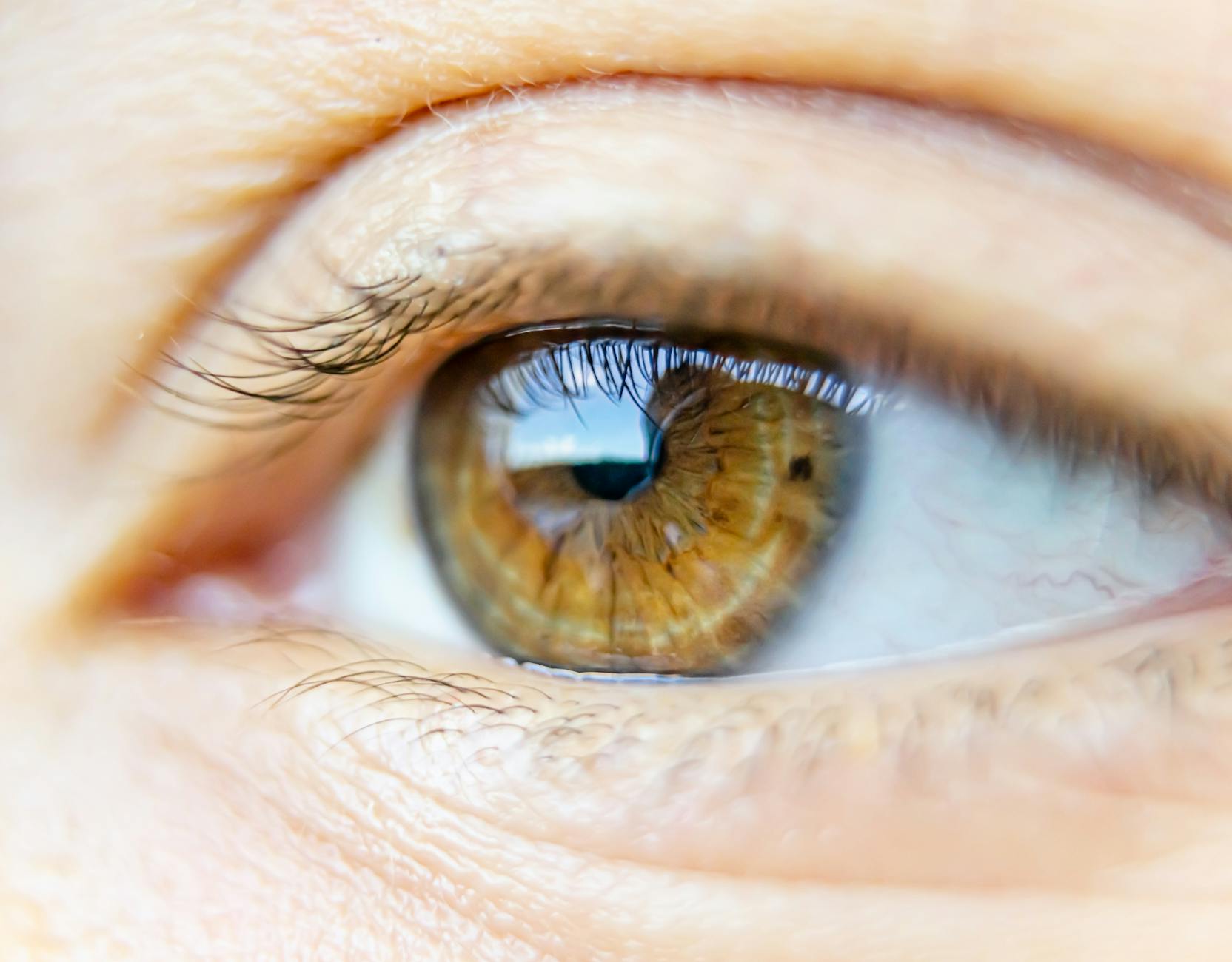
Have you ever looked up from your phone or a good book and noticed a little flicker, a tiny speck, or perhaps a distinct yellow spot dancing in your field of vision? It can be startling, right? Suddenly, your clear view of the world has a mysterious visitor. You might wonder, “Is this serious? What’s going on with my eyes?” Many people experience these fleeting visual disturbances. While some are harmless and temporary, others can signal a more significant health concern. Your eyes are incredibly complex organs, a marvel of biological engineering. Light enters through your pupil, gets precisely focused by your lens, and then lands on your retina at the back of your eye. Here, specialized cells, called photoreceptors, do the amazing work of converting light into electrical signals. These signals then travel along the optic nerve, a vital highway, straight to your brain, where they are interpreted as the images you see. Damage or changes to any part of this intricate system can lead to vision problems. As we age, our eyes naturally undergo structural changes, and the risk of developing conditions like diabetes, which can significantly impact eye health, increases. This makes vision issues, including seeing spots, more common in older adults. But it's not just about age. Understanding why you might be seeing these yellow spots is key to ensuring your vision remains healthy. Common Causes of Seeing Yellow Spots Let's explore the various reasons you might be seeing these yellow spots. It’s important to remember that this information is for awareness, and a proper diagnosis always requires a visit to an eye care professional. Non-Medical Reasons: Harmless Flashes Sometimes, what you’re seeing isn’t a sign of disease at all. These are often temporary phenomena related to how your eyes are stimulated: Sudden Light Exposure: Moving from a dark room into bright sunlight, or being caught by a camera flash, can cause temporary spots. Your eyes are adjusting, and sometimes this adjustment can manifest as light flashes or spots. However, looking directly into extremely bright lights, like the sun or explosions, can cause permanent vision loss. Be mindful of this! Rubbing Your Eyes: Ever rubbed your eyes a little too vigorously? You might see spots, stars, or random colours. These are called phosphenes . They happen because applying pressure to your eyeball can trick your retinal cells into thinking they’re receiving light signals. These phosphenes usually disappear within moments. Radiation Exposure: People undergoing radiation therapy, particularly for cancers of the head, neck, or eyes, often report visual changes. This can include seeing lights or coloured spots. These side effects typically subside once the radiation treatment stops. Other visual issues can also arise, so it's vital to discuss any changes with your doctor. Medical Reasons: When to Be Concerned While some causes are benign, others require immediate medical attention. Yellow spots can sometimes be a symptom of underlying conditions affecting your eye health: Medication Side Effects: Certain medications can cause visual disturbances. For instance, ivabradine , used for heart failure, is known to cause spots or light patterns. Another heart medication, digoxin , can even cause a yellowish-green tint to vision. Always discuss potential side effects with your doctor. Other drugs, including alcohol and certain recreational substances, can also affect your vision. Migraine Aura: If you experience migraines, you might be familiar with an aura. This is a set of sensory changes that can precede or accompany a migraine headache. About 90% of people with migraine with aura report seeing spots, stars, or shimmering patterns of light. These visual disturbances can be quite dramatic and are a well-documented part of the migraine experience. Vitreous Detachment: As we age, the vitreous gel, which fills the back of your eye, can start to shrink and pull away from the retina. This is called a posterior vitreous detachment (PVD). While often harmless, it can cause floaters (spots or cobwebs) and flashes of light. If the vitreous pulls too strongly, it can tear the retina. Retinal Tear or Detachment: This is a serious condition where the retina pulls away from the back of the eye. It can be caused by PVD, trauma, or other eye conditions. Symptoms include a sudden increase in floaters, flashes of light, and a shadow or curtain appearing in your vision. Retinal detachment is a medical emergency and requires immediate attention to prevent permanent vision loss. Diabetic Retinopathy: Diabetes can damage the blood vessels in the retina. This condition, known as diabetic retinopathy, can cause bleeding or fluid leakage, leading to floaters, blurry vision, and sometimes spots. Managing blood sugar levels is critical for preventing or slowing its progression. Macular Degeneration: This condition affects the macula, the part of the retina responsible for sharp, central vision. Age-related macular degeneration (AMD) is common in older adults. While it often causes blurriness or dark spots in the centre of vision, changes in perception can occur. Ocular Melanoma: Though rare, melanoma can occur in the eye. A case study noted a person experiencing spots due to melanoma in the iris. Radiotherapy for eye melanoma can also cause visual disturbances. Transient Ischemic Attack (TIA): Sometimes called a mini-stroke, a TIA is a temporary disruption of blood flow to the brain. Visual disturbances, including temporary loss of vision or seeing spots, can be a symptom. A TIA is a serious warning sign for a future stroke and requires immediate medical evaluation. Diagnosis: How Doctors Figure It Out If you're seeing yellow spots, especially if they are persistent, increasing, or accompanied by other symptoms, it’s time to see a doctor. An ophthalmologist (an eye doctor) will conduct a thorough eye examination. This may include: Visual Acuity Test: To check how clearly you can see at different distances. Dilated Eye Exam: Drops are used to widen your pupils, allowing the doctor to get a clear view of the retina and optic nerve. Ophthalmoscopy: Using a special instrument to examine the back of your eye. Slit Lamp Examination: A microscope that allows a detailed look at the front and back of the eye. Optical Coherence Tomography (OCT): A non-invasive imaging test that provides cross-sectional views of the retina. Fundus Photography: Taking pictures of the back of your eye. Depending on your symptoms and the initial findings, they might also: Review your medical history: Including medications, existing conditions like diabetes or high blood pressure, and family history of eye diseases. Check your blood pressure. Perform neurological tests if a TIA or migraine is suspected. Treatment: What Can Be Done? The treatment for seeing yellow spots depends entirely on the underlying cause: Non-Medical Causes: If it’s due to bright lights or rubbing your eyes, no treatment is needed. The spots will resolve on their own. Medication Side Effects: Your doctor may adjust the dosage or switch you to a different medication if possible. Never stop medication without consulting your doctor. Migraine Aura: Treatment focuses on managing migraines, which may include medication and lifestyle changes. Vitreous Detachment: Often, no treatment is needed if there are no complications like retinal tears. Your doctor will monitor it. Retinal Tear or Detachment: This requires prompt surgical intervention, such as laser surgery or cryopexy, to reattach the retina and prevent vision loss. Diabetic Retinopathy: Management includes controlling blood sugar, blood pressure, and cholesterol. Treatments can include laser therapy, injections into the eye, or surgery. Macular Degeneration: Treatments vary depending on the type (dry or wet AMD). For wet AMD, injections into the eye are common. Ocular Melanoma: Treatment options include radiation therapy, surgery, or observation, depending on the size and location of the tumour. TIA: Requires immediate medical attention to identify and treat the cause, often involving medications to prevent future strokes. Prevention: Protecting Your Vision While not all causes of seeing yellow spots can be prevented, you can take steps to protect your overall eye health: Regular Eye Exams: See your eye doctor for routine check-ups, even if you don't have any vision problems. Manage Chronic Conditions: Keep diabetes, high blood pressure, and high cholesterol under control. Healthy Diet: Eat a balanced diet rich in fruits, vegetables (especially leafy greens), and omega-3 fatty acids. Protect Your Eyes: Wear sunglasses that block UV rays when outdoors. Use protective eyewear during sports or hazardous activities. Avoid Smoking: Smoking significantly increases the risk of many eye diseases. Limit Screen Time: Take breaks to rest your eyes. Be Aware of Medications: Understand the potential side effects of any medications you take. When to Consult a Doctor Immediately Don't ignore changes in your vision. Seek immediate medical attention if you experience: A sudden increase in floaters or flashes of light. A shadow or curtain-like veil obscuring part of your vision. Sudden vision loss. Yellow spots accompanied by headache, dizziness, weakness, or difficulty speaking (potential TIA symptoms). Any persistent or bothersome visual disturbance. Your vision is precious. Paying attention to symptoms like seeing yellow spots can help you catch potential problems early and maintain good eye health for years to come. Frequently Asked Questions (FAQ) Can stress
In summary, timely diagnosis, evidence-based treatment, and prevention-focused care improve long-term health outcomes.