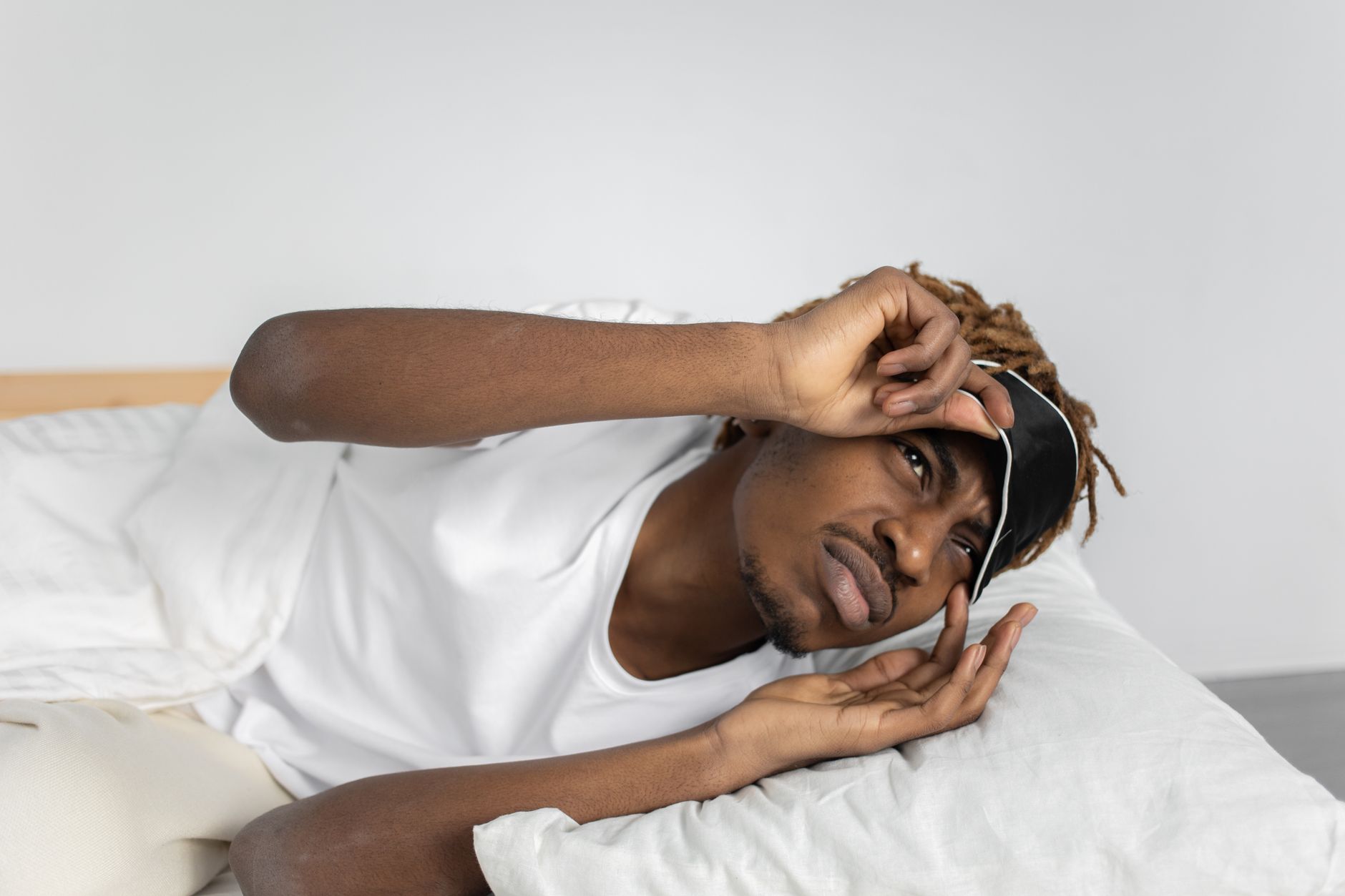
Understanding the Link Between Dehydration and Insomnia Many people experience occasional sleep difficulties, and while insomnia can have numerous causes, one often overlooked factor is dehydration. While not a direct cause of insomnia, dehydration can significantly contribute to poor sleep quality and duration. This article explores how dehydration symptoms can disrupt your sleep, its potential causes, and practical strategies to ensure adequate hydration for better rest. What is Dehydration? Dehydration occurs when your body loses more fluids than it takes in, leading to a deficiency in water necessary for normal bodily functions. Even mild dehydration can manifest in various symptoms that can interfere with your daily life, including your ability to sleep soundly. Symptoms of Dehydration That Can Affect Sleep The symptoms of dehydration can appear at night and disrupt your sleep in several ways: Thirst: Waking up in the middle of the night feeling thirsty is a clear sign of dehydration. Having to get up to drink water can make it difficult to fall back asleep. Headaches: Dehydration is a common cause of headaches, which can be severe enough to prevent you from falling asleep or wake you up during the night. Muscle Cramps and Spasms: Electrolyte imbalances due to dehydration can lead to uncomfortable muscle cramps, particularly in the legs, which can be painful and disruptive to sleep. Dry Mouth: A persistently dry mouth can be uncomfortable and lead to frequent awakenings as you seek relief. Fatigue and Weakness: While it might seem counterintuitive, dehydration can lead to feelings of fatigue and weakness, making it harder to get out of bed and potentially affecting your sleep patterns. Dizziness: Feeling dizzy, especially when changing positions, can be a symptom of dehydration and can make resting difficult. The Research on Hydration and Sleep While the link between dehydration and insomnia is not as extensively studied as other sleep disorders, emerging research suggests a connection. One of the largest studies on hydration and sleep, conducted in 2018 with over 20,000 adults in the US and China, found that individuals who slept only 6 hours per night were more likely to show signs of inadequate hydration compared to those who slept 8 hours. A small pilot study in 2023 also reported that adequately hydrated participants had slightly higher sleep efficiency than those who were dehydrated. However, it's important to note that some studies have found no significant link, highlighting the need for more comprehensive research in this area. Potential Causes of Nighttime Dehydration Several factors can contribute to dehydration, especially during the night: Alcohol Consumption: Alcohol is a diuretic, meaning it increases urine production, leading to fluid loss and dehydration. Consuming alcohol before bed can significantly impact your hydration levels overnight. Intense Exercise: Exercising, especially vigorously, causes your body to lose fluids through sweat. If you don't rehydrate adequately after evening workouts, you might become dehydrated by morning. Environmental Factors: High temperatures and humidity can increase fluid loss through sweating. Similarly, a very dry bedroom environment can also contribute to thirst and dehydration. Medical Conditions: Certain health issues can increase your risk of dehydration. For example, uncontrolled diabetes can lead to increased thirst and urination. Other conditions like fever, vomiting, diarrhea, and kidney problems also contribute to fluid loss. Medications: Some medications, such as diuretics (water pills), are designed to increase urine output, which can lead to dehydration if fluid intake isn't sufficient. Certain medications can also cause dry mouth as a side effect. Night Sweats: Experiencing excessive sweating at night, known as night sweats, can be a symptom of various conditions, including menopause, and can lead to significant fluid loss. Diagnosing Dehydration and Sleep Issues If you suspect dehydration is affecting your sleep, it's important to consult a healthcare professional. They can assess your symptoms, review your medical history, and may perform tests to determine your hydration status. This could involve a simple physical examination, asking about your fluid intake and urine color, or in some cases, blood tests to check electrolyte levels. Treatment and Management Strategies The primary treatment for dehydration is to increase your fluid intake. Here are some practical strategies: Increase Water Intake Throughout the Day: Aim to drink water consistently from morning till night. Don't wait until you feel thirsty, as thirst is already a sign of dehydration. Keep Water Accessible: Always have a refillable water bottle with you, whether at home, work, or on the go. This makes it easier to sip water regularly. Use Hydration Apps: If you struggle to remember to drink water, consider using a hydration tracking app on your smartphone. These apps provide timely reminders. Prioritize Water: While other fluids like herbal teas, juices, and broths contribute to hydration, water should be your primary beverage. Limit sugary drinks, excessive caffeine, and alcohol. Hydrate Around Exercise: Drink water before, during, and after physical activity to compensate for fluid loss through sweat. Adjust Bedroom Environment: Keep your bedroom cool, ideally around 18.3°C (65°F), to minimize sweating during sleep. Using a humidifier in dry climates can also help. Consider Electrolyte Drinks: For intense exercise or significant fluid loss, electrolyte-rich drinks can help replenish lost salts and minerals. When to Consult a Doctor While mild dehydration and its impact on sleep can often be managed at home, it's crucial to seek medical advice in certain situations: Persistent Symptoms: If you consistently experience symptoms of dehydration or sleep disturbances despite increasing your fluid intake. Severe Dehydration: Signs
In summary, timely diagnosis, evidence-based treatment, and prevention-focused care improve long-term health outcomes.