

Free Helpline
We are here to assist you.
Health Advisor
+91-8877772277Available 7 days a week
10:00 AM – 6:00 PM to support you with urgent concerns and guide you toward the right care.

We are here to assist you.
Health Advisor
+91-8877772277Available 7 days a week
10:00 AM – 6:00 PM to support you with urgent concerns and guide you toward the right care.
Discover why your stomach might still hurt after stomach flu. Learn about common causes, symptoms to watch for, home remedies, and when to seek medical advice for persistent discomfort after gastroenteritis.

Stomach flu, medically known as viral gastroenteritis, is a common and unpleasant illness characterized by inflammation of the stomach and intestines. While the acute symptoms like vomiting, diarrhea, and fever typically subside within a few days, many individuals find themselves asking: “Why does my stomach still hurt after stomach flu?” It's a valid concern, as lingering abdominal discomfort, bloating, and digestive issues can persist for days or even weeks after the initial infection has cleared. This article delves into the reasons behind persistent stomach pain after gastroenteritis, outlines what symptoms to watch for, and provides guidance on treatment, prevention, and when to seek medical attention.
Even after the worst of the stomach flu has passed, your digestive system may still be recovering. It's common to experience a range of milder, persistent symptoms, including:
While these symptoms are often part of the normal recovery process, understanding their potential causes can help you manage them effectively.
The reasons for prolonged stomach discomfort after a viral gastroenteritis infection are varied and often interconnected. Here are some of the most common culprits:
Perhaps one of the most significant reasons for persistent digestive issues, PI-IBS can develop in some individuals after a severe bout of gastroenteritis. The infection can cause long-lasting changes in the gut, including:
Symptoms of PI-IBS often include chronic abdominal pain, bloating, and alternating bouts of diarrhea and constipation, lasting for months or even years.
The stomach flu virus directly attacks the cells lining your digestive tract. This damage takes time to repair. Even after the virus is gone, the gut lining may still be inflamed and working to regenerate. During this healing phase, your gut is more vulnerable and sensitive, making you more prone to discomfort from normal digestion.
A healthy gut relies on a diverse and balanced community of microorganisms. Viral gastroenteritis can significantly disrupt this delicate ecosystem, leading to an imbalance known as dysbiosis. When the good bacteria are depleted, harmful bacteria or yeasts can proliferate, contributing to gas, bloating, and ongoing digestive upset.
It's common for your digestive system to be temporarily less tolerant to certain foods after a stomach flu. Lactose intolerance, for example, can develop temporarily because the enzymes needed to digest lactose (milk sugar) are produced by cells in the gut lining that might have been damaged by the virus. Similarly, fatty, spicy, or highly fibrous foods can be difficult for a recovering gut to process, leading to increased pain and discomfort.
Significant fluid loss from vomiting and diarrhea can lead to dehydration and an imbalance of electrolytes (essential minerals like sodium, potassium, and chloride). These imbalances can affect muscle function throughout the body, including the digestive muscles, potentially contributing to cramps and a general feeling of malaise.
The gut-brain axis is a powerful connection between your digestive system and your brain. Stress and anxiety, whether caused by the illness itself or external factors, can significantly impact gut function. Psychological stress can amplify pain perception, alter gut motility, and even influence the gut microbiome, making existing discomfort feel worse.
While less common, persistent severe stomach pain could also signal an underlying condition unrelated to the stomach flu, or a complication. These might include:
While mild, lingering discomfort is often normal, certain symptoms warrant immediate medical attention. It's crucial to consult a healthcare professional if you experience any of the following:
If you visit a doctor for persistent stomach pain after stomach flu, they will likely perform a thorough evaluation to determine the cause:
For most cases of lingering stomach discomfort, treatment focuses on supportive care, dietary adjustments, and allowing your gut to heal. If an underlying condition is diagnosed, specific medical treatments will be prescribed.
Probiotic supplements, which contain beneficial bacteria, can help restore the balance of your gut microbiome after an infection. Look for strains like Lactobacillus and Bifidobacterium, which have been shown to be helpful in post-gastroenteritis recovery and PI-IBS. Consult your doctor or pharmacist for a suitable recommendation.
Your body needs time and energy to heal and recover from an infection. Prioritize adequate rest to support your immune system and digestive repair processes.
Given the strong gut-brain connection, managing stress can be crucial. Techniques such as mindfulness, deep breathing exercises, meditation, light yoga, or spending time in nature can help calm your nervous system and reduce gut sensitivity.
If you are diagnosed with PI-IBS or another underlying condition, your doctor might prescribe specific medications. These could include antispasmodics for cramps, certain antidepressants (which can help with gut pain and motility in IBS), or antibiotics if a bacterial infection is identified.
Preventing stomach flu in the first place is the best way to avoid its lingering effects. Here are key preventive measures:
Most acute stomach flu symptoms, including pain, typically resolve within 1-3 days. However, mild lingering discomfort, bloating, and changes in bowel habits can persist for up to a week or even two in some individuals as the gut heals. If pain continues beyond this, or is severe, consult a doctor.
While most people recover fully, a small percentage can develop post-infectious irritable bowel syndrome (PI-IBS), which can lead to chronic digestive issues. Other rare complications can occur, but these are generally associated with severe cases or specific pathogens.
Initially, stick to bland, easy-to-digest foods like the BRAT diet (bananas, rice, applesauce, toast). Gradually reintroduce lean proteins and cooked vegetables. Avoid fatty, spicy, highly fibrous, and dairy products for a week or two, as they can irritate a recovering gut.
Yes, fatigue is very common after stomach flu. Your body expends a lot of energy fighting the infection, repairing damaged tissues, and recovering from dehydration and nutrient loss. Ensure you get plenty of rest.
You should wait until you've been free of vomiting and diarrhea for at least 24-48 hours before returning to work, school, or other activities, to prevent spreading the virus. Listen to your body and gradually increase your activity level as your energy returns.
Experiencing persistent stomach pain after stomach flu can be frustrating, but it's a common part of the recovery process for many. Understanding that your gut needs time to heal, restore its balance, and potentially overcome temporary sensitivities can help manage expectations. By adopting a gentle diet, staying hydrated, prioritizing rest, and managing stress, you can support your body's natural healing process. Remember to pay close attention to your symptoms and don't hesitate to seek medical advice if your pain is severe, worsening, or accompanied by concerning signs. Your healthcare provider can offer personalized guidance and rule out any more serious underlying conditions, ensuring a smooth and complete recovery.
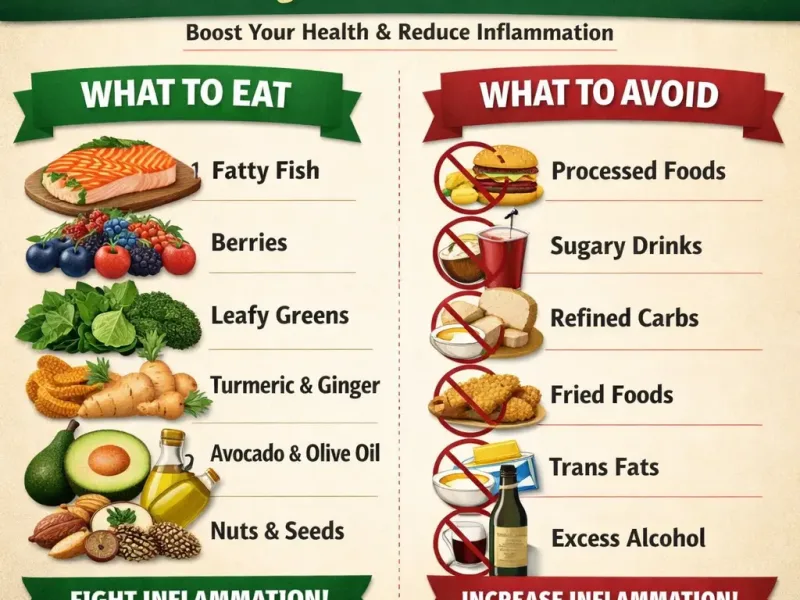
Chronic inflammation is the underlying driver of most major diseases — from heart disease to Alzheimer's. The right anti-inflammatory foods can meaningfully reduce systemic inflammation, and the evidence behind them is stronger than you might think.
April 13, 2026

Learn about mononucleosis (mono), its symptoms like extreme fatigue and sore throat, causes like the Epstein-Barr virus, and how to manage recovery with rest and home care. Understand diagnosis and when to seek medical help.
April 1, 2026

Explore the risks of STI transmission during hand jobs, fingering, and oral sex. Learn practical prevention tips and when to get tested to protect your sexual health.
April 1, 2026