

Free Helpline
We are here to assist you.
Health Advisor
+91-8877772277Available 7 days a week
10:00 AM – 6:00 PM to support you with urgent concerns and guide you toward the right care.

We are here to assist you.
Health Advisor
+91-8877772277Available 7 days a week
10:00 AM – 6:00 PM to support you with urgent concerns and guide you toward the right care.
Learn about refeeding syndrome: a serious complication of reintroducing food after starvation or malnutrition. Understand risks, symptoms, and prevention.

Imagine a situation where someone has been through a tough period of not eating enough, perhaps due to illness, a restrictive diet, or even an eating disorder. They are finally starting to eat again, feeling hopeful about recovery. But what if this very act of eating could lead to a dangerous complication? This is the reality of refeeding syndrome, a serious condition that can arise when food is reintroduced too quickly to someone who has been malnourished or starved. It's a paradox, isn't it? The very thing meant to heal can, in some cases, cause harm. This condition, though not widely discussed, is a significant concern for healthcare professionals, especially when managing patients with a history of significant weight loss or prolonged lack of adequate nutrition. Understanding refeeding syndrome, its causes, symptoms, and importantly, how to prevent it, is vital for anyone involved in patient care, or for individuals who may be at risk themselves or have loved ones at risk. In India, where nutritional challenges can be varied, from widespread malnutrition to the increasing prevalence of eating disorders and lifestyle-related conditions leading to restricted eating, refeeding syndrome is a relevant concern. We need to approach the reintroduction of food with caution and awareness. This article aims to shed light on refeeding syndrome, explaining it in simple terms, outlining who is at risk, what signs to watch for, and how medical professionals manage this delicate recovery phase. Our goal is to empower you with knowledge so that recovery is a safe and successful journey. What Exactly is Refeeding Syndrome? Refeeding syndrome is a complex metabolic complication that can occur when a person who has been starved or severely malnourished begins to eat again. During periods of starvation, the body undergoes significant physiological changes to conserve energy. It starts using stored fats and proteins for fuel, and crucial electrolytes like phosphate, potassium, and magnesium become depleted. When food, especially carbohydrates, is reintroduced, there's a rapid shift back to normal metabolism. This sudden change triggers a surge in insulin, a hormone that helps cells take up glucose (sugar) from the bloodstream. However, without sufficient electrolytes, particularly phosphate, the cells cannot efficiently convert glucose into energy. This leads to a dangerous drop in electrolyte levels in the blood, a condition known as hypophosphatemia, and can also cause sudden drops in potassium and magnesium. These electrolyte imbalances can affect multiple organ systems, leading to serious, and sometimes fatal, complications. Think of it like trying to restart a complex machine that has been shut down for a long time. You can't just flip the switch and expect everything to work perfectly. The system needs a slow, careful reawakening to avoid damage. Refeeding syndrome is that potential damage occurring in the human body. Who is at Risk for Refeeding Syndrome? The risk factors for refeeding syndrome are related to the degree and duration of malnutrition or starvation. Generally, individuals who have experienced significant weight loss or prolonged periods of inadequate food intake are at higher risk. Specific risk factors include: Significant Weight Loss: Losing more than 10-15% of your body weight over a period of 3 to 6 months. Prolonged Food Deprivation: Consuming very little or no food for 5 to 10 consecutive days or longer. This can happen due to various reasons like anorexia nervosa, prolonged fasting, or severe illness. Low Body Mass Index (BMI): Having a BMI below 16 is a significant indicator of malnutrition. Certain Medical Conditions: Conditions that lead to poor nutrient absorption or increased nutrient needs, such as: Anorexia Nervosa and other eating disorders Alcohol use disorder (alcoholism) Chronic diseases like cancer, inflammatory bowel disease (IBD), or kidney disease Long-term use of certain medications like insulin, chemotherapy drugs, diuretics, or antacids Recent Surgeries or Illnesses: Major surgeries or severe illnesses that lead to prolonged periods without adequate nutrition. It's important to remember that even if someone doesn't fit all these criteria, they can still be at risk. The key is a recent history of significant under-nutrition or a condition that severely impacts nutrient intake or utilization. A Real-Life Scenario: Consider Priya, a young woman who was recently hospitalized with severe vomiting due to a gastrointestinal infection. She couldn't keep any food or fluids down for over a week and lost a noticeable amount of weight. The doctors started her on a slow intravenous drip and then gradually introduced a liquid diet. A few days into the liquid diet, Priya started feeling extremely weak, her heart began pounding erratically, and she felt confused. Her doctors immediately suspected refeeding syndrome and adjusted her nutritional intake, closely monitoring her electrolytes. Symptoms of Refeeding Syndrome The symptoms of refeeding syndrome can appear suddenly, often within the first 4 days of reintroducing food. These symptoms are a direct result of the electrolyte imbalances and can affect various body systems. Watch out for: Neurological Symptoms: Confusion, delirium, seizures, muscle weakness, tremors, fatigue, or even coma. Cardiovascular Symptoms: Irregular heartbeat (arrhythmias), rapid heart rate (tachycardia), shortness of breath, or heart failure. Respiratory Symptoms: Difficulty breathing or respiratory failure. Gastrointestinal Symptoms: Nausea, vomiting, abdominal pain, or diarrhea. Musculoskeletal Symptoms: Muscle pain or cramps. Other Symptoms: Swelling (edema), fatigue, irritability, and difficulty swallowing. These symptoms can be alarming and require immediate medical attention. Because they can mimic other conditions, it's vital for healthcare providers to consider refeeding syndrome in patients who have recently been malnourished and are beginning nutritional rehabilitation. Diagnosing Refeeding Syndrome Diagnosing refeeding syndrome involves a combination of clinical assessment and laboratory tests. Doctors will: Assess Risk Factors: They will review your medical history to identify any risk factors for malnutrition or starvation. Physical Examination: They will look for signs and symptoms associated with electrolyte imbalances and organ dysfunction. Blood Tests: This is a critical step. Blood tests are performed to measure the levels of key electrolytes, including phosphate, potassium, magnesium, and glucose. Low levels of phosphate (hypophosphatemia) are a hallmark of refeeding syndrome. Other Tests: Depending on the symptoms, other tests like an electrocardiogram (ECG) to check heart rhythm or imaging studies might be ordered. Early and accurate diagnosis is essential for prompt management and preventing severe complications. Treatment and Management of Refeeding Syndrome The cornerstone of treating refeeding syndrome is a slow and carefully controlled reintroduction of nutrition, often under close medical supervision, typically in a hospital setting. The primary goals are to: Correct Electrolyte Deficiencies: Intravenous (IV) or oral supplements of phosphate, potassium, and magnesium are given to restore normal levels. Slow Down Nutritional Repletion: The rate at which calories are introduced is significantly slowed down. Initially, the intake might be kept around 1,000-1,500 calories per day or about 20 calories per kilogram of body weight, gradually increasing as tolerated. Monitor Closely: Patients are monitored continuously for vital signs, electrolyte levels, and any signs of complications. Provide Supportive Care: This may include managing fluid balance, addressing breathing difficulties, or treating heart problems. The duration of treatment varies depending on the severity of the malnutrition and the patient's response. Recovery can take up to 10 days, with continued monitoring afterward. Prevention is Key Because refeeding syndrome can be so serious, prevention is paramount. Healthcare providers use risk assessment tools to identify individuals who might be vulnerable. The key strategies for prevention include: Gradual Nutritional Rehabilitation: Starting with a low caloric intake and slowly increasing it over several days or weeks. Electrolyte Monitoring and Supplementation: Regularly checking electrolyte levels and providing supplements proactively, even before symptoms appear, for high-risk individuals. Education: Educating patients and their families about the risks and signs of refeeding syndrome. For individuals who have been significantly malnourished, it is absolutely essential to have medical guidance before starting any refeeding program. Do not attempt to 'catch up' on missed meals rapidly without professional advice. When to Consult a Doctor You must seek immediate medical attention if you or someone you know: Has a history of prolonged starvation, severe malnutrition, or eating disorders. Is starting to eat again after a period of significant food restriction. Experiences any of the symptoms mentioned above, such as confusion, rapid heartbeat, difficulty breathing, or severe weakness, shortly after starting to eat again. Prompt medical evaluation can make a critical difference in managing refeeding syndrome and preventing life-threatening complications. Frequently Asked Questions (FAQ) Can refeeding syndrome happen to anyone? While it can affect anyone who has been malnourished, certain groups are at a much higher risk. The risk is directly related to the severity and duration of not eating enough. How long does it take to recover from refeeding syndrome? Recovery time varies. It can take up to 10 days for the acute phase to pass with proper medical management. However, full recovery and rebuilding nutritional status can take much longer, depending on the individual and the initial severity of malnutrition. Can refeeding syndrome be fatal? Yes, refeeding syndrome can be fatal if not recognized and treated promptly. The severe electrolyte imbalances can lead to cardiac arrest, respiratory failure, and other life-threatening complications. Refeeding syndrome is a critical reminder that
In summary, timely diagnosis, evidence-based treatment, and prevention-focused care improve long-term health outcomes.
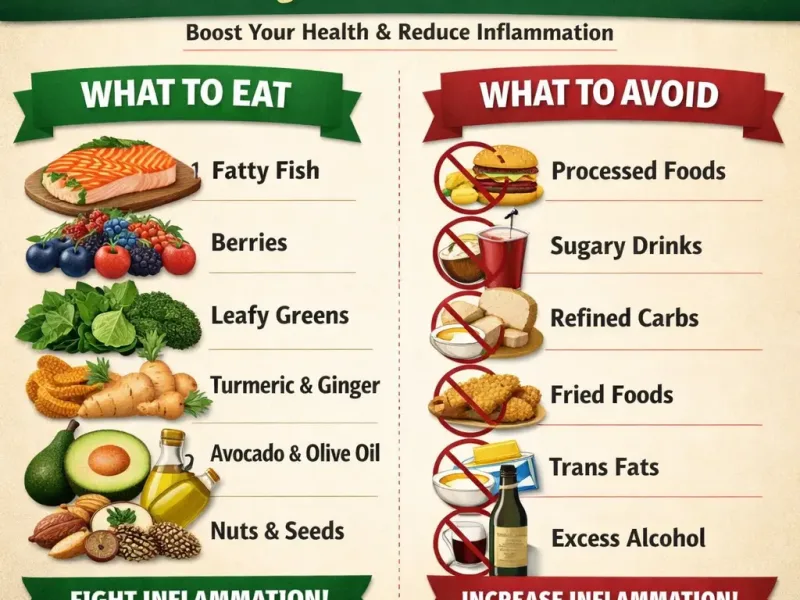
Chronic inflammation is the underlying driver of most major diseases — from heart disease to Alzheimer's. The right anti-inflammatory foods can meaningfully reduce systemic inflammation, and the evidence behind them is stronger than you might think.
April 13, 2026

Learn about mononucleosis (mono), its symptoms like extreme fatigue and sore throat, causes like the Epstein-Barr virus, and how to manage recovery with rest and home care. Understand diagnosis and when to seek medical help.
April 1, 2026

Explore the risks of STI transmission during hand jobs, fingering, and oral sex. Learn practical prevention tips and when to get tested to protect your sexual health.
April 1, 2026