

Free Helpline
We are here to assist you.
Health Advisor
+91-8877772277Available 7 days a week
10:00 AM – 6:00 PM to support you with urgent concerns and guide you toward the right care.

We are here to assist you.
Health Advisor
+91-8877772277Available 7 days a week
10:00 AM – 6:00 PM to support you with urgent concerns and guide you toward the right care.
Explore whether salt is an effective home remedy for head lice. Learn about scientifically proven treatments, home remedies like oil suffocation, OTC options, and prevention tips for a lice-free scalp.

Dealing with head lice can be a frustrating experience, especially when you're looking for quick and effective solutions. Many parents and caregivers have heard of or tried various home remedies, and one that often comes up is using salt. But does salt actually work to get rid of head lice and their eggs (nits)? Let's explore the science, the anecdotal evidence, and more reliable ways to tackle a lice infestation.
Head lice are tiny, wingless insects that live on the human scalp and feed on blood. They are highly contagious and spread through direct head-to-head contact. While lice don't transmit diseases, their bites can cause itching and discomfort, leading to scratching that might result in skin irritation or secondary infections. Nits, the tiny eggs laid by female lice, are usually found stuck to hair shafts close to the scalp. They hatch in about 7 to 10 days.
The idea behind using salt as a lice treatment often stems from the belief that its dehydrating properties can kill lice and nits. The theory suggests that a salt and water solution, or even dry salt, can essentially dry out these tiny creatures, leading to their demise. Some people might even mix salt with vinegar, hoping the acidity will further aid in the process.
Unfortunately, scientific evidence supporting the effectiveness of salt for treating head lice is lacking. A study conducted in 2004 looked at several alternative lice remedies, but salt was not among the methods tested for its efficacy. While some anecdotal reports suggest that Epsom salt (magnesium sulfate) might work by drying out lice and nits, there's no concrete scientific proof to back this up. In fact, research has shown that vinegar, another common home remedy, is among the least effective options for lice treatment.
The most promising alternative remedy identified in that study involved using petroleum jelly on the scalp and hair. While it might help trap lice, it can be quite messy and difficult to wash out completely. This highlights a key point: when it comes to lice, relying on methods without scientific backing might lead to wasted time and continued infestation.
While salt might not be the hero we hoped for, several other home-based strategies have shown more promise. These methods often involve a combination of suffocation and thorough removal of lice and nits.
This method aims to immobilize lice, making them easier to remove. The principle is that certain oils can suffocate the lice, preventing them from moving. It's crucial to remember that this method relies heavily on meticulous combing to truly get rid of the infestation.
How to do it:
Important Note: After the treatment, it's essential to wash all bedding, clothing, and towels that may have come into contact with the infested person. Soaking the lice comb in bleach can help ensure it's clean for future use.
Some essential oils have shown potential in helping to treat lice. However, it's vital to use them with caution and always dilute them with a carrier oil before applying them to the scalp and hair. Undiluted essential oils can cause skin irritation or burns.
Essential oils that may be beneficial include:
How to use: Mix a few drops of your chosen essential oil with a carrier oil like coconut or olive oil. Apply this mixture to the scalp and hair, let it sit for a recommended time (follow product instructions or consult a healthcare provider), and then comb out lice and nits. Always perform a patch test first to check for any allergic reactions.
If home remedies don't yield the desired results, or if you prefer a more direct approach, over-the-counter lice treatments are widely available. These products typically contain active ingredients like pyrethrins or permethrin, which are designed to kill lice.
How to use OTC treatments:
In some situations, it's best to seek professional medical advice:
A doctor can examine the scalp, confirm the presence of lice, and may prescribe stronger medications if necessary. Prescription options might include lotions or shampoos with different active ingredients that are more potent.
Preventing lice from spreading is just as important as treating an existing infestation:
Riya noticed her daughter, Priya, scratching her head incessantly after school. A quick check revealed tiny, fast-moving insects and small oval eggs stuck to Priya's hair shafts. Riya, remembering her own childhood experiences, immediately thought of the home remedy her mother used – salt and vinegar. She prepared a solution, but after applying it, the itching didn't stop, and she worried she might be spreading the problem by not using an effective method.
There is no scientific evidence to prove that salt water effectively kills head lice or their eggs. While some believe it may dehydrate them, it's not a reliable treatment.
Research indicates that vinegar is one of the least effective alternative remedies for head lice. It might help loosen the grip of nits on hair shafts, but it doesn't reliably kill the lice themselves.
The most effective methods involve over-the-counter or prescription lice treatments containing specific insecticides, or thorough application of smothering agents like oils followed by meticulous combing with a fine-toothed nit comb. Environmental cleaning is also key.
Head lice cannot survive for long without a human host. They typically die within 24 to 48 hours if they fall off a person's head and cannot feed.
No, head lice that infest humans are specific to humans and do not spread to pets like dogs or cats.
In summary, while the idea of using common household items like salt for lice treatment might seem appealingly simple, it's best to rely on scientifically proven methods. Opt for effective over-the-counter products or well-established home remedies like the oil suffocation and combing method, and don't hesitate to consult a healthcare professional if you're struggling to clear an infestation.
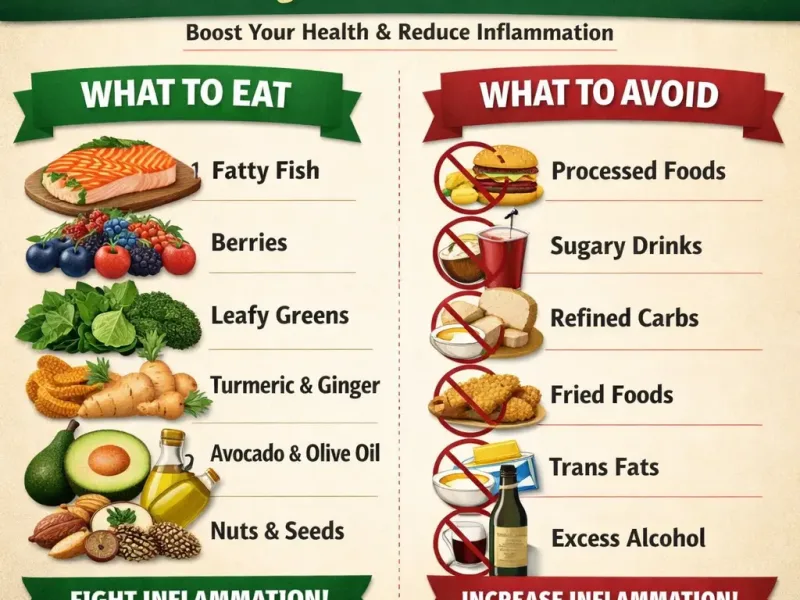
Chronic inflammation is the underlying driver of most major diseases — from heart disease to Alzheimer's. The right anti-inflammatory foods can meaningfully reduce systemic inflammation, and the evidence behind them is stronger than you might think.
April 13, 2026

Learn about mononucleosis (mono), its symptoms like extreme fatigue and sore throat, causes like the Epstein-Barr virus, and how to manage recovery with rest and home care. Understand diagnosis and when to seek medical help.
April 1, 2026

Explore the risks of STI transmission during hand jobs, fingering, and oral sex. Learn practical prevention tips and when to get tested to protect your sexual health.
April 1, 2026