

Free Helpline
We are here to assist you.
Health Advisor
+91-8877772277Available 7 days a week
10:00 AM – 6:00 PM to support you with urgent concerns and guide you toward the right care.

We are here to assist you.
Health Advisor
+91-8877772277Available 7 days a week
10:00 AM – 6:00 PM to support you with urgent concerns and guide you toward the right care.
Learn essential steps to prevent catching a stomach virus after exposure. Discover effective hand hygiene, disinfection tips, and other crucial strategies to protect yourself and others from highly contagious viral gastroenteritis.
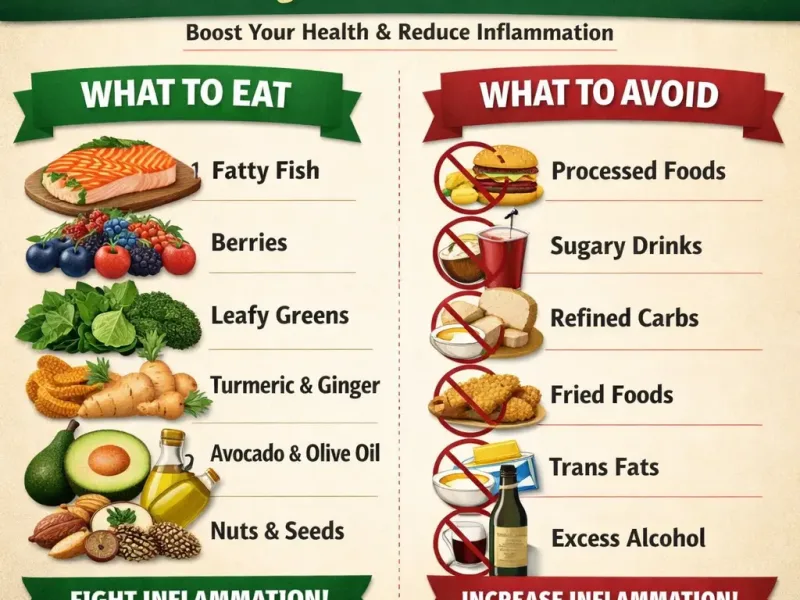
Chronic inflammation is the underlying driver of most major diseases — from heart disease to Alzheimer's. The right anti-inflammatory foods can meaningfully reduce systemic inflammation, and the evidence behind them is stronger than you might think.
April 13, 2026

Learn about mononucleosis (mono), its symptoms like extreme fatigue and sore throat, causes like the Epstein-Barr virus, and how to manage recovery with rest and home care. Understand diagnosis and when to seek medical help.
April 1, 2026

Stomach viruses, medically known as viral gastroenteritis, are a common and highly contagious illness that can cause unpleasant symptoms like nausea, vomiting, diarrhea, and abdominal cramps. While often referred to as 'stomach flu,' it's important to note that these viruses are not related to influenza (the flu virus), which primarily affects the respiratory system. Common culprits include norovirus, rotavirus, and adenovirus. The good news is that while uncomfortable, most stomach viruses are self-limiting, meaning they resolve on their own within a few days. The bad news? They spread incredibly easily. This guide will equip you with the knowledge and practical steps to prevent contracting a stomach virus after you've been exposed to it.
Viral gastroenteritis is an inflammation of the stomach and intestines caused by various viruses. It leads to symptoms that affect the digestive system. These viruses are highly resilient and can survive on surfaces for extended periods, making them particularly challenging to contain. Understanding how they spread is the first step in effective prevention.
Recognizing the symptoms of a stomach virus is crucial, not just for your own health but also for preventing its spread to others. Symptoms typically appear 12 to 48 hours after exposure and can last from one to three days, though some can persist longer.
The most significant concern with a stomach virus, especially in vulnerable populations like young children and the elderly, is dehydration due to excessive fluid loss from vomiting and diarrhea.
Stomach viruses are primarily transmitted through the fecal-oral route. This means that microscopic particles of stool from an infected person are ingested by another person. This can happen in several ways:
Even a very small number of viral particles can cause illness, making these viruses incredibly contagious.
You've been exposed to someone with a stomach virus – perhaps a family member, a colleague, or someone you shared a meal with. Now what? While there's no magic pill to guarantee you won't get sick, there are highly effective strategies you can employ to significantly reduce your risk.
This is by far the most critical step. Viruses are often transferred from hands to mouth.
Viruses can linger on surfaces, waiting for the next person to touch them.
If the exposure is within your household, try to create a barrier.
Food contamination is a common transmission route.
Contaminated clothing and linens can also spread the virus.
While these won't prevent immediate infection after exposure, a strong immune system can help your body fight off infections more effectively or lessen their severity.
In most cases, a stomach virus is diagnosed based on your symptoms and a physical examination. Your doctor will ask about your symptoms, how long they've lasted, and any recent exposures. Laboratory tests are generally not needed unless symptoms are severe, prolonged, or there's a concern about a bacterial infection or a public health outbreak (e.g., to identify the specific strain of virus for tracking purposes). A stool sample might be collected in such instances.
There is no specific antiviral medication for most stomach viruses. Treatment focuses on managing symptoms and preventing complications, primarily dehydration.
While most stomach viruses resolve on their own, certain symptoms warrant medical attention. Seek immediate medical advice if you or someone you're caring for experiences:
Generally, an individual is most contagious while they have symptoms and for at least 48-72 hours after symptoms have resolved. Some viruses, like norovirus, can be shed in stool for up to two weeks or even longer after recovery, meaning you can still be contagious even if you feel better.
While less common than the fecal-oral route, if an infected person has viral particles in their saliva (e.g., from vomiting), direct contact like kissing could potentially transmit the virus, though it's not the primary mode of transmission.
No. While alcohol-based hand sanitizers are effective against some germs, they are generally less effective against certain stomach viruses, particularly norovirus, compared to thorough handwashing with soap and water. Always prioritize washing your hands when possible.
If you start to feel symptoms, focus on clear liquids and then bland foods like the BRAT diet (bananas, rice, applesauce, toast). Avoid dairy, fatty, spicy, sugary, and high-fiber foods, which can irritate your digestive system.
Generally, the viruses that cause gastroenteritis in humans are specific to humans and do not typically infect pets. However, it's always good practice to maintain hygiene around pets, especially if you or they are sick.
Exposure to a stomach virus can be unsettling, but armed with the right knowledge and proactive measures, you can significantly reduce your chances of getting sick. Rigorous hand hygiene, thorough disinfection of surfaces, careful food handling, and limiting close contact are your strongest defenses. Remember to listen to your body and seek medical attention if your symptoms are severe or persistent, especially if dehydration becomes a concern. By taking these steps, you not only protect yourself but also help prevent the further spread of these highly contagious illnesses in your community.

Explore the risks of STI transmission during hand jobs, fingering, and oral sex. Learn practical prevention tips and when to get tested to protect your sexual health.
April 1, 2026