

Free Helpline
We are here to assist you.
Health Advisor
+91-8877772277Available 7 days a week
10:00 AM – 6:00 PM to support you with urgent concerns and guide you toward the right care.

We are here to assist you.
Health Advisor
+91-8877772277Available 7 days a week
10:00 AM – 6:00 PM to support you with urgent concerns and guide you toward the right care.
Learn about the resilience of the Hepatitis B virus, how long it survives on surfaces and in bodily fluids, its transmission routes, symptoms, and crucial prevention strategies including vaccination and safe practices.

Understanding Hepatitis B: A Resilient Virus Hepatitis B is a serious liver infection caused by the Hepatitis B virus (HBV). It is a global health problem, affecting millions worldwide. While advancements in vaccination have significantly reduced its prevalence, understanding how the virus survives and spreads is crucial for prevention. This blog post delves into the resilience of the Hepatitis B virus, its survival time outside the body, modes of transmission, and essential preventive measures for individuals and communities in India. How Long Can Hepatitis B Live Outside the Body? One of the critical aspects of Hepatitis B is its remarkable hardiness. The virus can survive on surfaces for an extended period, even in dried bodily fluids. Studies and health authorities indicate that Hepatitis B can remain infectious for at least 7 days after being deposited on a surface. This survival time is particularly concerning because it means that even seemingly innocuous contact with contaminated surfaces can lead to transmission if proper precautions are not taken. Survival in Bodily Fluids Hepatitis B is primarily transmitted through contact with infected bodily fluids, including: Blood: This is the most common route of transmission. Even microscopic amounts of infected blood, whether fresh or dried, can harbor the virus. This includes blood from cuts, scrapes, menstrual blood, and blood transfused from infected donors. Semen: Sexual contact is a significant mode of transmission, and semen can carry the virus. Vaginal Fluids: Similarly, vaginal secretions can transmit the virus during sexual activity. It's important to note that the virus can survive in these fluids even when they are dried. This means that items that may come into contact with blood, semen, or vaginal fluids, such as razors, toothbrushes, nail clippers, earrings, and even bandages, can become sources of infection if not properly cleaned or disposed of. Can You Get Hepatitis B from Dry Blood? Yes, absolutely. The resilience of the Hepatitis B virus means it can remain infectious in dried blood for up to a week. This is why meticulous cleaning and disinfection of any surfaces or objects that may have come into contact with infected blood are paramount. For healthcare workers or individuals cleaning up dried blood, wearing appropriate personal protective equipment (PPE) like gloves is essential. Modes of Transmission: How Hepatitis B Spreads Understanding how Hepatitis B spreads is the first step in preventing it. While it is a bloodborne virus, its transmission routes are specific: Primary Transmission Routes Perinatal Transmission: This is a major concern, especially in regions with high prevalence. Infants born to mothers infected with Hepatitis B have a very high risk (up to 95%) of developing chronic Hepatitis B if not treated promptly after birth. Sexual Contact: Unprotected sexual intercourse with an infected person is a common way the virus spreads. Sharing Needles and Drug Equipment: Intravenous drug users who share needles, syringes, or other paraphernalia are at high risk. Household Contact: Sharing personal items like razors, toothbrushes, nail clippers, or earrings with an infected person can lead to transmission, especially if there is any chance of blood exposure. Occupational Exposure: Healthcare workers who are exposed to infected blood through needle sticks or other injuries are at risk. Blood Transfusions and Organ Transplants: While rare in countries with rigorous screening, unscreened blood or organs can transmit the virus. What Does NOT Spread Hepatitis B? It's equally important to know how Hepatitis B is not spread to avoid unnecessary fear and stigma: Casual contact like hugging, kissing, or shaking hands. Sharing utensils, food, or drinks. Breastfeeding (unless the mother has cracked nipples and the baby is not vaccinated). Coughing or sneezing. Through water or food. Symptoms of Hepatitis B Many people, especially children, may not show any symptoms of Hepatitis B infection. When symptoms do appear, they can manifest anywhere from 1 to 6 months after exposure. These symptoms can include: Fatigue Abdominal pain (especially in the upper right side) Loss of appetite Nausea and vomiting Dark urine Clay-colored stools Joint pain Jaundice (yellowing of the skin and eyes) It's crucial to remember that even without symptoms, an infected individual can still transmit the virus. Diagnosis of Hepatitis B Diagnosing Hepatitis B involves blood tests that detect specific antigens and antibodies related to the virus. These tests can determine if you have an acute (recent) or chronic (long-term) infection and assess your immune status. Early detection through testing is vital for timely treatment and management. Treatment and Management For acute Hepatitis B infections, treatment often focuses on supportive care to manage symptoms and prevent complications. In many cases, the body's immune system clears the virus on its own. However, for chronic Hepatitis B, antiviral medications are available. These medications can help suppress the virus, reduce the risk of liver damage, and prevent complications like cirrhosis and liver cancer. The goal of treatment is to manage the infection and improve long-term health outcomes. Prevention is Key: Protecting Yourself and Others The most effective way to combat Hepatitis B is through prevention. Fortunately, highly effective preventive measures are available: 1. Vaccination The Hepatitis B vaccine is safe and highly effective. It is recommended for all infants at birth and for individuals at risk. A complete vaccination series provides lifelong protection for most people. Ensuring widespread vaccination coverage is critical for eliminating Hepatitis B transmission. 2. Safe Practices Safe Sex: Use condoms consistently and correctly during sexual activity. Avoid Sharing Personal Items: Do not share
In summary, timely diagnosis, evidence-based treatment, and prevention-focused care improve long-term health outcomes.
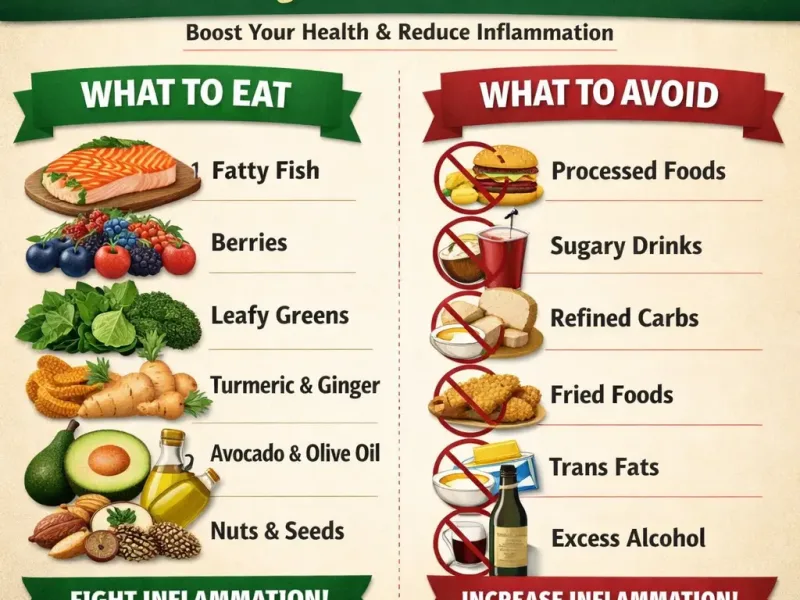
Chronic inflammation is the underlying driver of most major diseases — from heart disease to Alzheimer's. The right anti-inflammatory foods can meaningfully reduce systemic inflammation, and the evidence behind them is stronger than you might think.
April 13, 2026

Learn about mononucleosis (mono), its symptoms like extreme fatigue and sore throat, causes like the Epstein-Barr virus, and how to manage recovery with rest and home care. Understand diagnosis and when to seek medical help.
April 1, 2026

Explore the risks of STI transmission during hand jobs, fingering, and oral sex. Learn practical prevention tips and when to get tested to protect your sexual health.
April 1, 2026