

Free Helpline
We are here to assist you.
Health Advisor
+91-8877772277Available 7 days a week
10:00 AM – 6:00 PM to support you with urgent concerns and guide you toward the right care.

We are here to assist you.
Health Advisor
+91-8877772277Available 7 days a week
10:00 AM – 6:00 PM to support you with urgent concerns and guide you toward the right care.
Discover Hand, Foot, and Mouth Disease (HFMD) in adults. Learn about common symptoms, causes, diagnosis, treatment options, and effective prevention strategies to protect yourself and your family. Get expert insights on when to seek medical advice for HFMD.
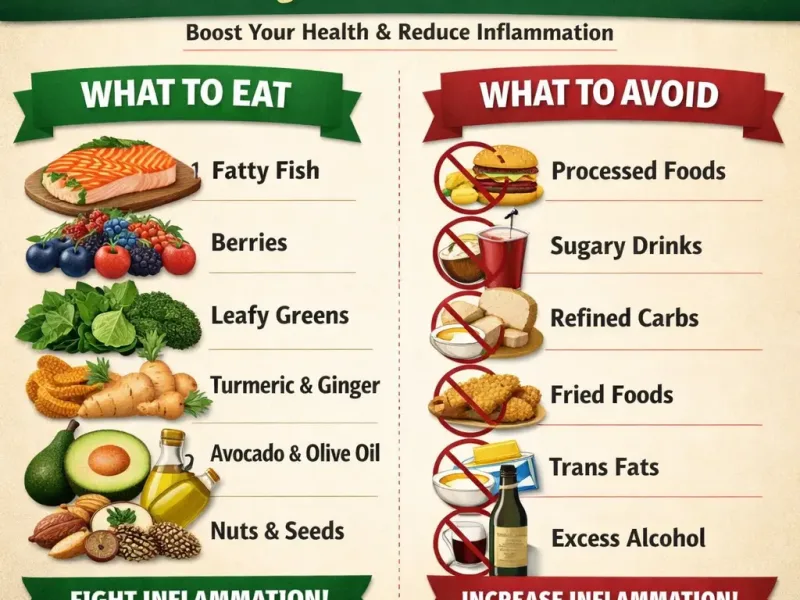
Chronic inflammation is the underlying driver of most major diseases — from heart disease to Alzheimer's. The right anti-inflammatory foods can meaningfully reduce systemic inflammation, and the evidence behind them is stronger than you might think.
April 13, 2026

Learn about mononucleosis (mono), its symptoms like extreme fatigue and sore throat, causes like the Epstein-Barr virus, and how to manage recovery with rest and home care. Understand diagnosis and when to seek medical help.
April 1, 2026

Hand, Foot, and Mouth Disease (HFMD) is a common viral infection often associated with young children. However, adults can also contract HFMD, and for many, the experience can be surprisingly more severe and debilitating than in their younger counterparts. While typically mild in children, adults may face a more intense array of symptoms, including higher fever, more widespread and painful rashes, and a longer recovery period. Understanding the nuances of HFMD in adults is crucial for timely diagnosis, effective management, and prevention of its spread. This comprehensive guide will delve into the symptoms, causes, diagnosis, treatment options, prevention strategies, and when to seek medical attention for adults affected by HFMD.
Hand, Foot, and Mouth Disease is a contagious infection caused by viruses, most commonly Coxsackievirus A16, but also Enterovirus 71 and other enteroviruses. It typically manifests with fever, sore throat, and a characteristic rash with blisters on the hands, feet, and inside the mouth. While it's highly prevalent in infants and children under five, adults are not immune, especially those with weakened immune systems or those in close contact with young children, such as parents, caregivers, and healthcare workers. Unlike the often mild presentation in children, adults can experience a more pronounced and uncomfortable illness, sometimes leading to significant discomfort and disruption to daily life.
The primary agents responsible for HFMD are non-polio enteroviruses. Among these, Coxsackievirus A16 is the most frequent cause in the United States and other Western countries, usually leading to a mild form of the disease. However, other strains, particularly Enterovirus 71 (EV-A71), can cause more severe forms of HFMD, especially in Southeast Asia, and have been associated with neurological complications. Several other coxsackievirus strains, such as A6 and A10, can also cause HFMD, sometimes presenting with a more atypical rash or affecting adults more frequently.
While the core symptoms of HFMD remain consistent across age groups, adults often report a more intense and prolonged experience. The incubation period is typically 3 to 7 days.
After the initial symptoms, the distinctive rash of HFMD typically appears:
HFMD is highly contagious and spreads through person-to-person contact.
As mentioned, the primary culprits are members of the enterovirus family, especially Coxsackievirus A16 and Enterovirus 71. These viruses are highly resilient and can survive on surfaces for extended periods.
The virus spreads through:
Adults often contract HFMD from children, who are frequently asymptomatic carriers or have milder symptoms, making them silent spreaders. Outbreaks commonly occur in childcare centers, schools, and other environments where close contact is frequent.
Diagnosing HFMD in adults is primarily clinical, based on the characteristic symptoms and physical examination.
A healthcare provider will:
In most cases, lab tests are not necessary as the clinical picture is clear. However, in atypical or severe cases, or during public health investigations, a doctor might recommend:
It’s important to differentiate HFMD from other conditions that can cause similar rashes or mouth sores, such as herpes simplex virus, chickenpox, or allergic reactions. A careful medical history and examination are key.
There is no specific antiviral treatment for HFMD. Treatment is primarily supportive, focusing on relieving symptoms and preventing complications.
Adequate rest is essential for your body to fight off the viral infection. Adults often underestimate the need for rest during HFMD, but pushing through can prolong recovery or worsen symptoms. Plan for several days of rest, especially if symptoms are severe.
While most cases of HFMD resolve on their own within 7 to 10 days, certain symptoms warrant immediate medical attention:
Prevention is key to controlling the spread of HFMD, especially in adult populations who might be exposed through children.
A: Generally, yes. While children often experience mild symptoms, adults tend to have more intense fever, severe sore throat, more widespread and painful rashes, and a longer recovery period. Complications, though rare, can also be more concerning in adults.
A: Adults are most contagious during the first week of illness, when symptoms are most prominent. However, the virus can shed in feces for several weeks, even after symptoms have resolved, meaning transmission is still possible. It's advisable to practice good hygiene for an extended period.
A: Yes, it is possible to get HFMD multiple times. This is because the disease can be caused by several different strains of enteroviruses. Infection with one strain provides immunity to that specific strain, but not to others.
A: For most adults, HFMD resolves without long-term complications. However, in rare cases, severe infections (especially those caused by Enterovirus 71) can lead to neurological complications like viral meningitis or encephalitis. Onychomadesis (nail shedding) is a temporary post-viral effect that usually resolves with new nail growth.
A: Pregnant women can get HFMD. While generally not considered a major risk during pregnancy, especially if the mother develops symptoms close to delivery, there's a theoretical risk of passing the virus to the newborn. If a pregnant woman contracts HFMD, she should consult her doctor for monitoring and advice. Severe illness in the mother could potentially lead to complications, but this is rare.
A: They are completely different diseases. Hand, Foot, and Mouth Disease (HFMD) is a human viral infection. Foot-and-Mouth Disease (FMD) is a highly contagious disease of cloven-hoofed animals (like cattle, sheep, pigs) and does not typically affect humans.
Hand, Foot, and Mouth Disease in adults is a more significant concern than many realize. While often perceived as a childhood ailment, it can present with severe and debilitating symptoms in adults, leading to considerable discomfort and a longer recovery time. Understanding the symptoms, recognizing the modes of transmission, and adhering to strict hygiene practices are paramount for both personal health and community protection. If you suspect you have HFMD or are experiencing severe symptoms, do not hesitate to consult a healthcare professional. Early diagnosis and supportive care can help manage the illness effectively and prevent potential complications. Stay vigilant, practice good hygiene, and prioritize rest to navigate HFMD successfully.

Explore the risks of STI transmission during hand jobs, fingering, and oral sex. Learn practical prevention tips and when to get tested to protect your sexual health.
April 1, 2026