

Free Helpline
We are here to assist you.
Health Advisor
+91-8877772277Available 7 days a week
10:00 AM – 6:00 PM to support you with urgent concerns and guide you toward the right care.

We are here to assist you.
Health Advisor
+91-8877772277Available 7 days a week
10:00 AM – 6:00 PM to support you with urgent concerns and guide you toward the right care.
Discover simple and effective home remedies for folliculitis. Learn how to soothe irritation, prevent outbreaks, and when to consult a doctor for relief.

Folliculitis might sound like a complicated medical term, but it’s actually quite common. It refers to the inflammation or infection of your hair follicles, the tiny pockets in your skin where hair grows. Think of it as a small pimple or red bump that appears around a hair. These can pop up anywhere you have hair, from your scalp to your legs. While it can be a bit uncomfortable and unsightly, most cases of folliculitis are mild and can be managed effectively at home. In this guide, we’ll explore simple, practical ways you can find relief and even prevent this common skin issue, tailored for our readers in India.
The main culprits behind folliculitis are usually bacteria or fungi that irritate or infect your hair follicles. Sometimes, it’s not an infection at all, but rather irritation from friction, tight clothing, or even shaving. For instance, imagine you’ve just shaved your legs and noticed small, red bumps appearing the next day. This could be a sign of shaving-induced folliculitis. Other common triggers include:
Folliculitis typically shows up as small, red bumps or white-headed pimples around your hair follicles. You might also experience:
These symptoms can appear on any part of your body with hair, including your arms, legs, chest, back, and scalp. The good news is that for mild cases, these symptoms often resolve on their own with proper care.
When you notice those pesky bumps, don't immediately reach for harsh chemicals. Many simple, natural remedies can bring significant relief and help your skin heal. Here’s what you can try:
Keeping the affected area clean is paramount. Wash the area gently with warm water and a mild soap twice a day. Ensure you dry the area thoroughly with a clean towel each time. Ask your local pharmacist or doctor for recommendations on gentle, fragrance-free soaps that won’t further irritate your skin. An antibacterial soap might be suggested for some types of folliculitis, but always follow professional advice.
A warm compress can work wonders for soothing soreness, reducing swelling, and easing discomfort. Here’s how to prepare and use one:
This simple method helps to draw out any infection and reduce inflammation.
Hydrogen peroxide can help eliminate some bacteria and fungi that cause folliculitis. You can find these washes at most pharmacies. Important: Always read and follow the product’s instructions carefully. It’s crucial not to use hydrogen peroxide on areas of healthy skin, as it can kill the beneficial bacteria that protect your skin. Use it only on the affected areas as directed.
Known for its soothing properties, pure aloe vera gel can help calm itching and reduce redness and swelling associated with folliculitis. Some research suggests it may even help combat certain bacteria. Look for 100% pure aloe vera gel, free from added fragrances or chemicals, to avoid further irritation.
For localized patches of folliculitis, OTC antibiotic creams or ointments can be effective. These are often the same products used for minor cuts and scrapes. Apply them with a clean cotton swab to the affected area, using a fresh swab each time. However, it’s wise to consult a pharmacist or doctor before using these, especially if you’re unsure. Overuse can lead to antibiotic resistance and harm your skin’s natural defenses.
Prevention is key to keeping your skin healthy and free from folliculitis. Making a few simple changes to your daily routine can make a big difference:
Tight clothing like yoga pants, leggings, or even rough fabrics can cause friction and irritation, leading to folliculitis. Opt for loose-fitting clothes made from breathable materials such as cotton. If you exercise or sweat a lot, change out of damp clothing immediately and shower soon after. This helps prevent bacteria and fungi from thriving.
If shaving triggers folliculitis for you, consider these tips:
If you use hot tubs or public pools, ensure they are well-maintained and properly chlorinated. This can help prevent infections like 'hot tub folliculitis'.
Scratching can worsen inflammation, introduce new infections, and delay healing. If an area is itchy, try a cool compress or an anti-itch lotion recommended by a pharmacist. Keep your fingernails trimmed to minimize damage if you do scratch unconsciously.
While home remedies are effective for mild cases, it’s important to know when to consult a doctor. You should seek professional medical help if:
A doctor can diagnose the specific cause of your folliculitis and prescribe appropriate treatments, such as stronger topical or oral antibiotics, antifungal medications, or corticosteroid creams for inflammation.
Q1: Can folliculitis spread to other people?
Yes, some types of folliculitis, especially those caused by bacterial or fungal infections, can be contagious. It’s important to practice good hygiene, like not sharing towels or razors, to prevent spreading the infection.
Q2: How long does mild folliculitis usually last?
Mild folliculitis often resolves within a few days to a couple of weeks with proper home care. If it persists longer, it’s advisable to see a doctor.
Q3: Can I use my regular body wash for folliculitis?
It’s best to use a mild, fragrance-free soap or an antibacterial soap recommended by a healthcare professional. Harsh or heavily fragranced soaps can irritate the inflamed follicles.
Q4: Does stress cause folliculitis?
While stress doesn't directly cause folliculitis, it can weaken your immune system, potentially making you more susceptible to infections that lead to folliculitis. Managing stress is beneficial for overall skin health.
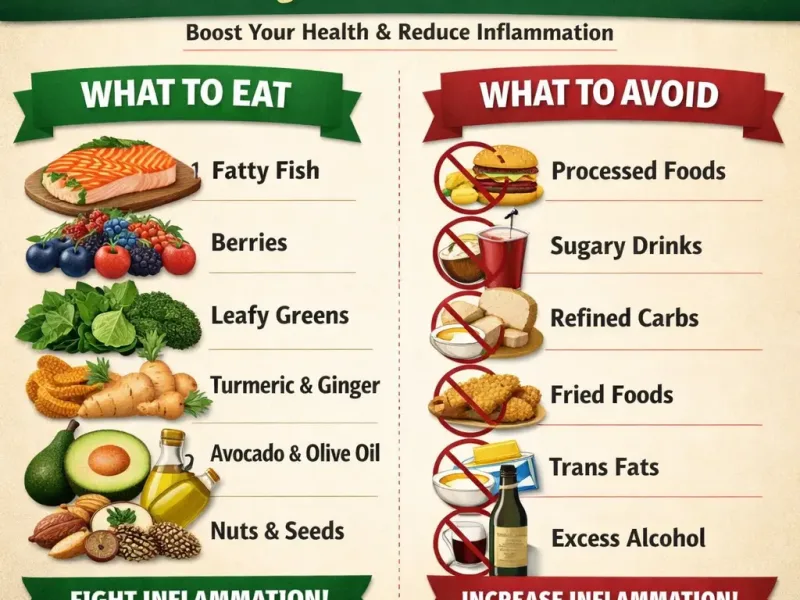
Chronic inflammation is the underlying driver of most major diseases — from heart disease to Alzheimer's. The right anti-inflammatory foods can meaningfully reduce systemic inflammation, and the evidence behind them is stronger than you might think.
April 13, 2026

Learn about mononucleosis (mono), its symptoms like extreme fatigue and sore throat, causes like the Epstein-Barr virus, and how to manage recovery with rest and home care. Understand diagnosis and when to seek medical help.
April 1, 2026

Explore the risks of STI transmission during hand jobs, fingering, and oral sex. Learn practical prevention tips and when to get tested to protect your sexual health.
April 1, 2026