

Free Helpline
We are here to assist you.
Health Advisor
+91-8877772277Available 7 days a week
10:00 AM – 6:00 PM to support you with urgent concerns and guide you toward the right care.

We are here to assist you.
Health Advisor
+91-8877772277Available 7 days a week
10:00 AM – 6:00 PM to support you with urgent concerns and guide you toward the right care.
Demystifying the flu shot! Learn about the ingredients, safety, and effectiveness of the influenza vaccine for your health.

As flu season approaches, many of us think about getting our annual flu shot. It's a simple step that can significantly protect our health and the health of those around us. But have you ever wondered what's actually in that shot? You might glance at the ingredient list and see some unfamiliar or even concerning-sounding names. Let's break down the common ingredients found in flu vaccines and address some common questions and concerns, especially for our readers in India.
Influenza, or the flu, is a common respiratory illness that can cause significant discomfort and, in some cases, serious complications. While often milder than the flu, influenza can lead to pneumonia, bronchitis, sinus infections, and ear infections. For certain groups, like young children, older adults, pregnant women, and people with chronic health conditions, the flu can be particularly dangerous, even leading to hospitalization or death. Getting vaccinated is a vital part of staying healthy, especially during peak flu seasons which can coincide with our changing weather patterns here in India.
There are generally two main types of flu vaccines available:
Let's look at some of the ingredients you might find in a typical flu shot and understand why they are there:
Many flu vaccines are produced by growing the influenza viruses inside fertilized chicken eggs. Because of this, the final vaccine may contain a very small amount of egg protein, such as ovalbumin. If you have a severe egg allergy (anaphylaxis), it's important to discuss this with your doctor before getting the flu shot. However, for most people with mild egg allergies, the flu shot is considered safe. Newer vaccine technologies are also being developed that don't rely on eggs.
You might have heard concerns about thimerosal, a mercury-containing preservative. Thimerosal is added to multi-dose vaccine vials to prevent the growth of bacteria and fungi, ensuring the vaccine remains safe and effective throughout its use. While mercury can be toxic in large amounts, the amount of mercury in thimerosal used in vaccines is very small and has been deemed safe by health authorities worldwide. It's important to know that thimerosal has been removed from most single-dose flu vaccine vials and is not present in the LAIV nasal spray. If you are still concerned, thimerosal-free versions of the flu vaccine are widely available.
These ingredients help keep the vaccine stable, protecting its potency even when exposed to heat or light. Think of them as helpers that ensure the vaccine works as intended.
Very small amounts of antibiotics like neomycin or gentamicin might be included in the vaccine manufacturing process to prevent bacterial contamination. These are used in such tiny quantities that they typically do not cause allergic reactions in people who might be sensitive to these medications.
Formaldehyde is a naturally occurring substance that is also used during the manufacturing of the flu vaccine. Its role is to inactivate the influenza viruses, making them safe for the vaccine. Most of the formaldehyde used in the production process is removed from the final vaccine product. The levels remaining are far too low to cause any adverse health effects.
An emulsifier like polysorbate 80 helps ensure that all the ingredients in the vaccine are evenly distributed, preventing them from separating. It's a common ingredient in many food products, like salad dressings.
The flu vaccine is one of the most studied vaccines available. Millions of people receive it every year, and serious side effects are extremely rare. The benefits of getting vaccinated – preventing illness, reducing doctor's visits, hospitalizations, and even deaths – far outweigh the minimal risks for the vast majority of people.
Mrs. Sharma, a 65-year-old homemaker from Delhi, was hesitant about the flu shot. She had heard some rumors about side effects and felt perfectly healthy. Her doctor explained that while she felt well now, the flu could be very serious for someone her age, potentially leading to pneumonia. After discussing the ingredients and understanding their purpose, Mrs. Sharma decided to get vaccinated and felt relieved knowing she had taken a proactive step for her health.
While the flu shot is safe for most people, there are a few exceptions:
Always discuss any concerns or allergies you have with your doctor or healthcare provider before getting vaccinated. They can help you choose the right type of flu vaccine for you and address any specific health conditions you may have.
The flu shot is a safe and effective way to protect yourself and your community from influenza. Understanding the ingredients helps demystify the vaccine and build confidence in its safety. Prioritizing your health with a flu shot is a smart move, especially during flu season.
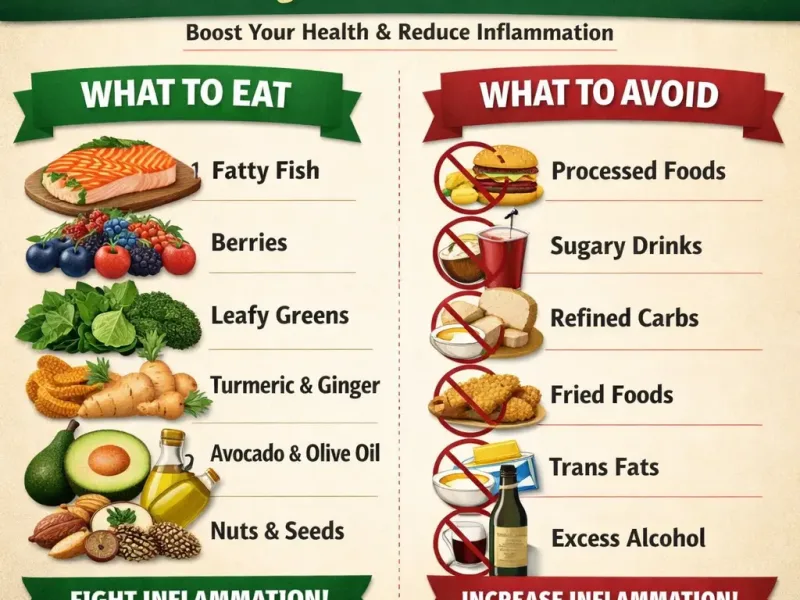
Chronic inflammation is the underlying driver of most major diseases — from heart disease to Alzheimer's. The right anti-inflammatory foods can meaningfully reduce systemic inflammation, and the evidence behind them is stronger than you might think.
April 13, 2026

Learn about mononucleosis (mono), its symptoms like extreme fatigue and sore throat, causes like the Epstein-Barr virus, and how to manage recovery with rest and home care. Understand diagnosis and when to seek medical help.
April 1, 2026

Explore the risks of STI transmission during hand jobs, fingering, and oral sex. Learn practical prevention tips and when to get tested to protect your sexual health.
April 1, 2026