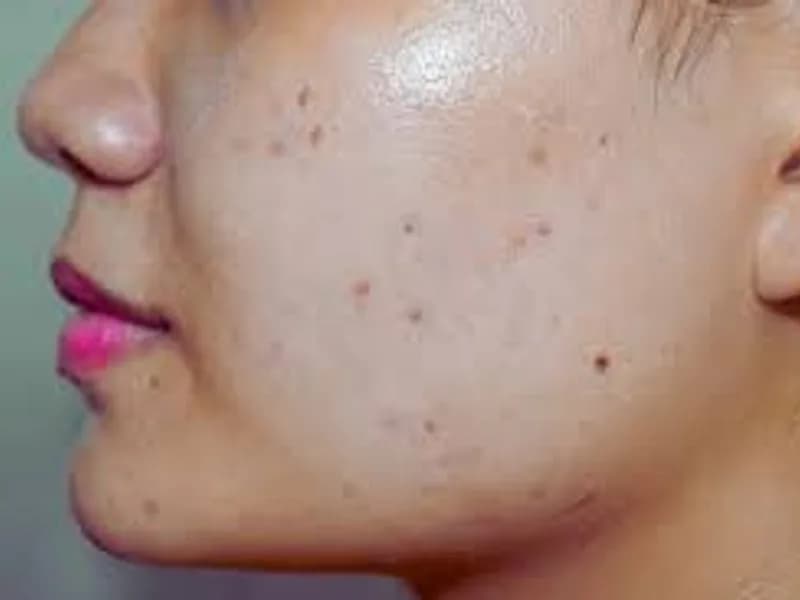
Understanding Dark Spots: More Than Just Skin Deep
Sarangi kumari sharma, a 42-year-old software engineer from kolkata , noticed stubborn dark patches on his cheeks after a summer vacation. Like many, he initially dismissed them, but they persisted, affecting his confidence. What most people miss is that these aren't just cosmetic issues; they often signal underlying skin changes.
Dark spots, medically termed hyperpigmentation, occur when excess melanin (the pigment giving skin its color) forms deposits in the skin. This can happen due to various factors, including sun exposure, acne inflammation, hormonal changes, or even certain medications.
In real-world terms, this means your skin is reacting to something. How serious is this really? For most, it's a cosmetic concern, but persistent or changing spots warrant a physician's evaluation.
Common Causes of Facial Hyperpigmentation
Sun Exposure (Solar Lentigines)
The sun is a primary culprit. UV radiation triggers melanin production. Over time, this leads to sunspots, often seen on sun-exposed areas like the face and hands. Protecting your skin from the sun is vital.
Post-Inflammatory Hyperpigmentation (PIH)
Acne breakouts, injuries, or even harsh skincare can leave behind dark marks. This happens as the skin repairs itself after inflammation. Patients frequently tell us these marks linger long after the initial blemish heals.
Recovery is rarely linear.
Melasma
Often called the 'mask of pregnancy,' melasma presents as larger, irregular brown patches. Hormonal fluctuations (during pregnancy or from birth control pills) are key triggers, alongside sun exposure. We often see this during monsoon season when humidity is high.
Other Factors
Certain medical conditions and medications can also contribute to skin darkening. Always inform your doctor about any new spots or changes.
Proven Treatments for Dark Spots
Topical Treatments
Topical creams and serums are often the first line of defense. These treatments help by inhibiting melanin production or increasing skin cell turnover.
Hydroquinone: A reliable agent for lightening dark spots. Use under physician supervision.
Retinoids (e.g., Tretinoin): Enhance cell turnover, helping to fade spots over time.
Vitamin C: A potent antioxidant that brightens skin and inhibits melanin.
Niacinamide: Helps reduce inflammation and pigment transfer.
Kojic Acid & Azelaic Acid: Also effective in reducing melanin production.
Practically speaking, consistency is key with topical therapies. Results typically appear after 8-12 weeks of regular use.
Professional Procedures
For more stubborn hyperpigmentation, dermatologists offer advanced procedures.
Chemical Peels: Acids like glycolic or salicylic acid remove the outer skin layers, revealing brighter skin.
Microdermabrasion: A minimally invasive procedure that exfoliates the skin's surface.
Laser Therapy: Lasers target melanin precisely, breaking down pigment deposits. Different lasers suit different skin types and concerns. AIIMS often uses advanced laser systems for complex cases.
Microneedling: Creates tiny punctures to stimulate collagen and improve skin texture, aiding pigment removal.
What should you actually do? Discuss these options with a dermatologist to determine the best fit for your skin type and the severity of your spots.
Prevention: The Best Approach
Sun Protection is Non-Negotiable
This is the single most crucial step. Use a broad-spectrum sunscreen with SPF 30 or higher daily, even on cloudy days. Reapply every two hours when outdoors.
Think of it like wearing a helmet while riding a bike – essential protection. Wearing wide-brimmed hats and seeking shade further boosts defense.
Gentle Skincare Practices
Avoid harsh scrubbing or picking at blemishes. Aggressive treatments can worsen inflammation and lead to more dark spots. Adopt a gentle cleansing and moisturizing routine.
Healthy Lifestyle Choices
A balanced diet rich in antioxidants supports skin health. Staying hydrated also plays a role. Many of us forget that what we consume impacts our skin's appearance.
Living with Hyperpigmentation
Living with dark spots is genuinely hard. They can impact self-esteem, making everyday interactions feel more challenging.
Remember Ravi? After consistent treatment and diligent sun protection, his skin began to clear. He shared, "I felt like myself again, more confident stepping out." His journey highlights the effectiveness of a combined approach.
Here's the thing — achieving clear skin is a marathon, not a sprint. Patience and persistence are your allies. Consult a specialist for a personalized plan. The World Health Organization (WHO) emphasizes preventative care for overall skin health.
Frequently Asked Questions
Can I use lemon juice to lighten dark spots?
While lemon juice has acidic properties, its high pH can irritate the skin and potentially cause photosensitivity, making dark spots worse. It's generally not recommended by dermatologists for safe and successful care.
That alone changes everything.
How long does it take for dark spots to fade?
The timeline varies significantly depending on the cause, severity, and therapy method. Topical treatments can take 8-12 weeks or longer to show noticeable results. Professional procedures might offer faster improvements, but multiple sessions are often needed.
Are dark spots a sign of a serious illness?
In most cases, hyperpigmentation is a benign cosmetic concern. However, any rapidly changing, unusually shaped, or concerning spots should be evaluated by a physician to rule out more serious conditions like skin cancer.
Can I combine different treatments for faster results?
Combining treatments can sometimes enhance results, but it must be done under the guidance of a dermatologist. Improper combination of active ingredients or procedures can lead to irritation, increased inflammation, and worsening of hyperpigmentation.
Always consult a qualified physician before making medical decisions.