

Free Helpline
We are here to assist you.
Health Advisor
+91-8877772277Available 7 days a week
10:00 AM – 6:00 PM to support you with urgent concerns and guide you toward the right care.

We are here to assist you.
Health Advisor
+91-8877772277Available 7 days a week
10:00 AM – 6:00 PM to support you with urgent concerns and guide you toward the right care.
Debunking the myth that farts cause pink eye. Learn what pink eye is, how it truly spreads, and practical prevention tips for healthy eyes.

It’s a question that might make you giggle or feel a bit queasy: can you actually catch pink eye from a fart? Perhaps you’ve heard a rumour, or maybe a funny anecdote, but let’s get straight to the medical facts. The short answer is a resounding no. A fart, or flatulence, cannot directly cause pink eye. But this doesn't mean pink eye isn't a concern, and understanding how it spreads is key to staying healthy. We’ll break down why this myth exists, what pink eye really is, and how you can effectively prevent it. Get ready to separate fact from fiction!
Before we tackle the fart question, let's understand pink eye itself. Medically known as conjunctivitis, pink eye is an infection or inflammation of the conjunctiva. The conjunctiva is that thin, clear membrane that covers the white part of your eyeball and also lines the inside of your eyelids. When it gets inflamed or infected, it turns red or pink, hence the common name.
Pink eye is a common condition, and it can be caused by a variety of factors. It's important to know these so you can recognize the signs and take appropriate action. The main culprits include:
So, why would anyone think a fart could cause pink eye? It likely stems from a misunderstanding of what flatulence actually is and how infections spread. Let's clarify:
Flatulence is essentially the passing of intestinal gas through the rectum. This gas is primarily composed of methane and other gases produced by bacteria in your gut as they break down undigested food, or it can be from swallowed air. Dr. Amir Mozavi, a medical expert, points out that methane gas itself does not contain bacteria. Any bacteria that might be present in the intestinal tract are generally contained and would die off very quickly once they leave the body and are exposed to air.
Think about it this way: your gut is a closed system, and while it hosts many bacteria, they are meant to be there. Once the gas is expelled, it disperses rapidly. The concentration of any potential bacteria would be incredibly low, and they wouldn't survive long enough to cause an infection like pink eye.
It’s estimated that most people pass gas at least 14 times a day. If farts were a viable vector for pink eye, we’d be seeing a lot more infections! The idea of farting on a pillow and somehow transferring germs to someone's eye is simply not supported by how infections work.
The confusion likely arises because pink eye, especially the bacterial and viral types, is contagious. However, its transmission routes are much more direct and well-understood. The primary way pink eye spreads is through:
A Real-Life Scenario: Imagine a busy parent who has just changed their toddler’s diaper. They quickly wipe their hands on their jeans before helping their child with homework, then absentmindedly rub their own eye. If the child had a bacterial infection, or if there was any residual fecal matter on the parent's hands, this simple act could lead to pink eye for the parent.
Conjunctivitis is contagious, often compared to the common cold in terms of its spreadability. This means taking precautions is important, especially in shared environments like homes, schools, and offices.
While farts won't give you pink eye, increased or particularly foul-smelling gas can sometimes be a sign of underlying digestive issues. Conditions like:
If you experience persistent or bothersome gas, it’s worth discussing with your doctor to rule out any health concerns.
Since pink eye is contagious and preventable, focusing on good hygiene practices is your most effective strategy. Here’s what you should do:
While many cases of pink eye resolve on their own, you should see a doctor if you experience any of the following:
A doctor can determine the cause of your pink eye and recommend the appropriate treatment, whether it's antiviral or antibiotic eye drops, or simply supportive care for allergies.
Let's put this myth to bed definitively. You cannot get pink eye from a fart. The gas produced during flatulence does not carry the bacteria or viruses that cause conjunctivitis. However, pink eye is a real and contagious condition that spreads through direct contact and contaminated surfaces, including, in rare instances, fecal matter transfer to the eyes. By practicing excellent hand hygiene and avoiding touching your eyes, you can significantly reduce your risk of contracting this common eye infection. Stay informed, stay healthy!
Q1: Can I get pink eye from someone else's fart?
A1: No, you cannot get pink eye from someone else's fart. The gas itself does not transmit the infection.
Q2: If pink eye is contagious, why isn't it spread by farts?
A2: Pink eye is spread by direct contact with infected discharge or contaminated surfaces. The bacteria or viruses responsible need a viable pathway to infect another person, which fart gas does not provide.
Q3: What is the most common way to get pink eye?
A3: The most common ways are through viruses (like the common cold) and bacteria, often spread by touching an infected eye or surface and then touching your own eye.
Q4: How long is pink eye contagious?
A4: Viral conjunctivitis can be contagious for as long as you have symptoms, sometimes up to 2-3 weeks. Bacterial conjunctivitis is typically contagious until you have been on antibiotic treatment for at least 24 hours and the discharge has cleared.
Q5: Can farting cause other health problems?
A5: While not directly causing infections like pink eye, excessive or very foul-smelling gas can sometimes indicate underlying digestive issues like IBS, which should be discussed with a doctor.
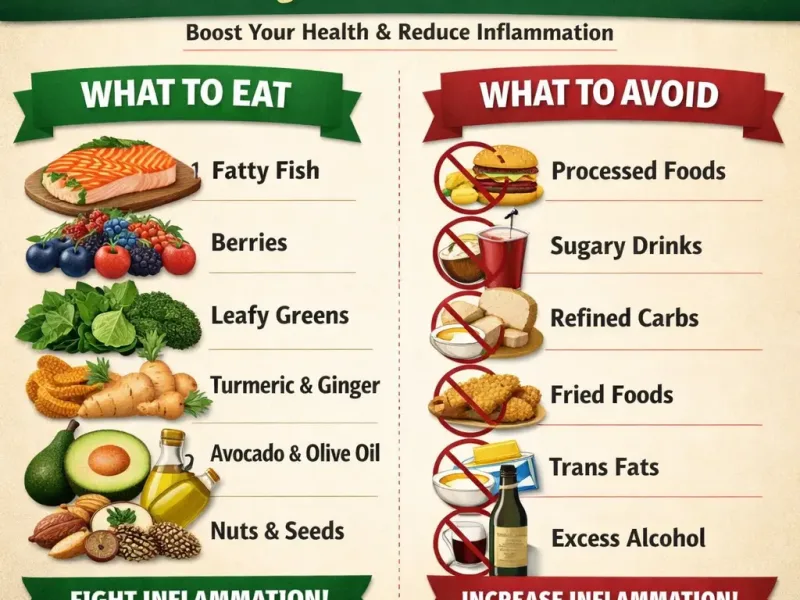
Chronic inflammation is the underlying driver of most major diseases — from heart disease to Alzheimer's. The right anti-inflammatory foods can meaningfully reduce systemic inflammation, and the evidence behind them is stronger than you might think.
April 13, 2026

Learn about mononucleosis (mono), its symptoms like extreme fatigue and sore throat, causes like the Epstein-Barr virus, and how to manage recovery with rest and home care. Understand diagnosis and when to seek medical help.
April 1, 2026

Explore the risks of STI transmission during hand jobs, fingering, and oral sex. Learn practical prevention tips and when to get tested to protect your sexual health.
April 1, 2026