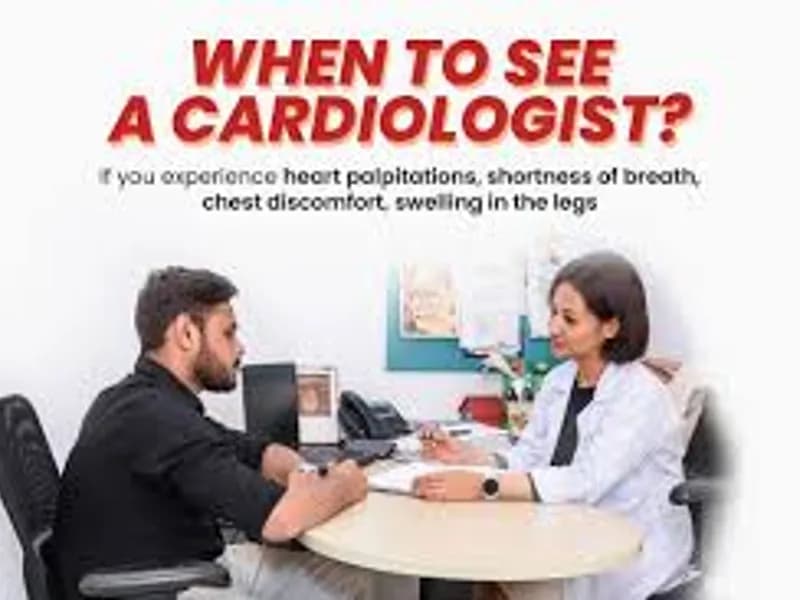
When to Consult a Cardiac Specialist: Prioritizing Your Cardiovascular Well-being
This vital organ works tirelessly every second. Prioritizing its well-being is paramount. Individuals often question when to seek advice from a cardiac specialist, a physician focusing on the circulatory system.
Understanding the indicators, truthfully, can make a significant difference in managing potential cardiovascular concerns. Frequently, patients delay seeking expert medical guidance, which often leads to more intricate health scenarios down the line.
Recognizing the Key Indicators
Several signs and symptoms suggest a visit to a cardiac care physician is necessary. These indicators are your body’s way of signaling that something could be amiss with your cardiovascular system.
Thoracic Discomfort or Pain
Discomfort in the upper torso is perhaps the most widely recognized symptom of cardiac trouble. This sensation can feel like a squeezing, fullness, tightness, or even a sharp ache in the center or left side of your pectoral region. It could last more than a few minutes, or it may dissipate and then return.
How serious is this really? Such sensations should never be disregarded, as they can be an indicator of a myocardial infarction (heart attack) or other serious conditions.
Shortness of Breath (Dyspnea)
Experiencing breathlessness, especially without exertion, is another vital sign. You may feel like you cannot inhale enough air, even when at rest. This can occur with or without discomfort in the upper body.
That's the part worth remembering.
Sometimes, this symptom is more pronounced when lying flat, necessitating sleep propped up on pillows. In practical terms, unexplained dyspnea warrants a specialist’s evaluation.
Cardiac Palpitations
Palpitations feel like your vital pump is fluttering, racing, pounding, or skipping beats. While occasional palpitations can be harmless (often triggered by stress or caffeine), persistent or frequent episodes require attention.
Is there a better way? Monitoring these sensations is crucial for identifying potential arrhythmias (irregular cardiac rhythms).
Swelling in Legs, Ankles, or Feet (Edema)
Fluid buildup, causing swelling, can signal that your vital pump isn’t circulating fluid as efficiently as it should. This condition, known as edema, often affects the lower extremities. It is a clear indicator that the pumping action of your cardiac system might be compromised.
Fatigue and Weakness
Unexplained and persistent fatigue can be a sign of underlying cardiac problems. If you feel unusually tired, even after adequate rest, it could be your vital pump struggling to supply sufficient perfusion to your body. This type of exhaustion differs from everyday tiredness.
Dizziness or Lightheadedness
Feeling dizzy or lightheaded, especially if it happens suddenly or repeatedly, could indicate reduced circulation to the brain. This may be linked to cardiac issues like low vascular tension or arrhythmias. Prompt assessment is advisable.
And yet, so many people miss it.
When to Seek Immediate Emergency Care
Certain warning signs require immediate medical attention. Call emergency services (like 108 in India) if you experience:
Sudden, severe discomfort in the upper torso, especially if accompanied by shortness of breath, sweating, nausea, or pain radiating to your arm, jaw, or back.
Sudden, severe shortness of breath.
Fainting or loss of consciousness.
Practically speaking, these are red flags for potentially life-threatening cardiac events.
Risk Factors Warranting a Cardiac Specialist Visit
Even without overt indicators, certain possibility factors make regular cardiac check-ups crucial. These include:
High Vascular Tension (Hypertension): Uncontrolled hypertension (high vascular tension) significantly strains the cardiac system. Regular monitoring is vital.
High Cholesterol Levels: Elevated cholesterol can lead to plaque buildup in arteries (atherosclerosis), narrowing them and restricting fluid flow.
Diabetes Mellitus: This concern dramatically increases the danger of cardiovascular disease. Managing diabetes is key to protecting your cardiac health.
Family History of Cardiac Disease: A strong family history of early onset cardiac disease (before age 55 in men, 65 in women) increases your personal chance.
Smoking: Smoking damages vascular structures and increases vascular tension, posing a severe threat to cardiovascular well-being.
Obesity: Excess weight contributes to high vascular tension, high cholesterol, and diabetes, all danger factors for cardiovascular disease.
Sedentary Lifestyle: Lack of physical activity weakens the cardiac muscle and contributes to other chance factors.
The Role of a Cardiac Specialist
Cardiac specialists are physicians trained to diagnose and treat conditions affecting the vital pump and its vessels. They perform various diagnostic tests, including ECGs (electrocardiograms), echocardiograms, stress tests, and angiograms, to assess cardiac function and identify blockages. Based on these findings, they develop personalized treatment plans.
These plans may include lifestyle modifications, medications, or, in some cases, procedures like angioplasty or bypass surgery. In many instances, early intervention significantly improves outcomes.
Living with Cardiovascular Health in Mind
Taking proactive steps towards cardiovascular well-being is essential. This includes adopting a balanced diet, engaging in regular physical activity, managing stress effectively, and avoiding smoking. Living with this is genuinely challenging, especially when managing chronic conditions.
Think of it like maintaining your scooter – regular servicing prevents major breakdowns! Regular check-ups with your primary care physician are also important. They can help monitor your likelihood factors and refer you to a cardiac specialist when needed.
Always consult a qualified physician before making medical decisions.
Frequently Asked Questions
Can I eat rice if I have diabetes?
Yes, individuals with diabetes can eat rice, but portion control and the type of rice are crucial. Opt for brown rice or other whole grains more often, as they have a lower glycemic index. Monitor your glycemic levels after eating rice to understand its impact on you.
It sounds simple. It rarely is.
How often should I get my vascular tension checked?
If your vascular tension is normal, check it at least once a year. If you have high vascular tension or other chance factors, your doctor may recommend checking it more frequently, perhaps every few months, to ensure it's well-managed.
What is an echocardiogram?
An echocardiogram, often called an “echo,” is an ultrasound of the vital pump. It uses sound waves to create moving pictures of your cardiac organ. This allows doctors to see how well its chambers and valves are working.
Is thoracic pain always a sign of a myocardial infarction?
No, pain in the upper torso is not always a myocardial infarction, but it should always be taken seriously. Many other conditions, like indigestion, muscle strain, or anxiety, can cause pectoral discomfort. However, because it *can* be a cardiac event, seeking prompt medical evaluation is vital.