

Free Helpline
We are here to assist you.
Health Advisor
+91-8877772277Available 7 days a week
10:00 AM – 6:00 PM to support you with urgent concerns and guide you toward the right care.

We are here to assist you.
Health Advisor
+91-8877772277Available 7 days a week
10:00 AM – 6:00 PM to support you with urgent concerns and guide you toward the right care.
Explore the diverse landscape of cardiovascular disease, from common conditions like coronary artery disease and heart failure to arrhythmias, valvular issues, stroke, and PAD. Understand their causes, symptoms, and treatment options to empower your heart health journey. Learn how lifestyle chang...

Cardiovascular disease (CVD) is a broad term encompassing a range of conditions that affect the heart and blood vessels. It remains a leading cause of death globally, but understanding its various forms is the first step towards prevention, early diagnosis, and effective management. This comprehensive guide explores the most common types of cardiovascular disease, shedding light on their causes, symptoms, and treatment approaches.
Coronary Artery Disease (CAD) is perhaps the most common type of heart disease. It occurs when the coronary arteries, which supply blood to the heart muscle, become hardened and narrowed due to the buildup of plaque—a process called atherosclerosis. This plaque buildup reduces blood flow to the heart, leading to symptoms such as chest pain (angina), shortness of breath, and in severe cases, a heart attack.
Treatment for CAD often includes lifestyle modifications, medications (e.g., statins, antiplatelet drugs), and sometimes procedures like angioplasty with stent placement or coronary artery bypass grafting (CABG).
Heart failure, sometimes referred to as congestive heart failure, doesn't mean the heart has stopped working, but rather that it's not pumping blood as efficiently as it should. This can lead to a backup of blood in the veins and fluid accumulation in the lungs and other body tissues.
Heart failure often develops after other conditions have damaged or weakened the heart, such as CAD, high blood pressure, previous heart attacks, or heart valve disease.
Management involves medications (e.g., ACE inhibitors, beta-blockers, diuretics), lifestyle changes, and in some cases, implantable devices like pacemakers or defibrillators, or even heart transplantation.
Arrhythmias are conditions where the heart beats too fast (tachycardia), too slow (bradycardia), or with an irregular rhythm. These disruptions in the heart's electrical impulses can lead to a range of symptoms, from mild palpitations to life-threatening emergencies.
Arrhythmias can be caused by underlying heart conditions, electrolyte imbalances, stress, certain medications, or excessive caffeine/alcohol intake.
Treatment varies widely depending on the type and severity, including medications, lifestyle changes, electrical cardioversion, catheter ablation, or implantable devices like pacemakers or implantable cardioverter-defibrillators (ICDs).
The heart has four valves that keep blood flowing in the correct direction. Valvular heart disease occurs when one or more of these valves don't open or close properly, disrupting normal blood flow. This can involve stenosis (narrowing of the valve) or regurgitation (leaky valve).
Can be congenital (present at birth), or acquired later in life due to infections (like rheumatic fever), age-related degeneration, or other heart conditions.
Depending on severity, treatment may involve medications to manage symptoms, or surgical repair or replacement of the affected valve.
While often considered a brain condition, stroke is fundamentally a cardiovascular event because it involves the blood vessels supplying the brain. An ischemic stroke occurs when a blood clot blocks an artery leading to the brain, while a hemorrhagic stroke occurs when a blood vessel in the brain ruptures and bleeds.
Similar to other CVDs: high blood pressure, high cholesterol, diabetes, smoking, obesity, and atrial fibrillation.
Emergency treatment for ischemic stroke often involves clot-busting drugs (tPA) or mechanical thrombectomy. Hemorrhagic stroke treatment focuses on controlling bleeding and reducing pressure on the brain.
Peripheral Artery Disease (PAD) is a condition where narrowed arteries reduce blood flow to the limbs, most commonly the legs. This is also caused by atherosclerosis, similar to CAD.
Lifestyle changes, medications (e.g., to improve blood flow or reduce cholesterol), and sometimes angioplasty or bypass surgery.
Congenital heart defects are structural problems with the heart that are present at birth. These defects can affect the heart walls, valves, or blood vessels, and vary in severity from minor to life-threatening.
Many minor defects may not require treatment, while more severe ones might necessitate medications, catheter procedures, or surgery, often performed in childhood or infancy.
Cardiovascular disease encompasses a diverse group of conditions, each with its unique characteristics, but often sharing common risk factors. Regular check-ups, adopting a heart-healthy lifestyle, and promptly addressing any symptoms are crucial for managing these conditions and promoting long-term cardiovascular health. If you experience any symptoms related to heart or circulatory problems, it's vital to seek medical attention immediately for accurate diagnosis and appropriate care.
A: Coronary Artery Disease (CAD) is the most common type of cardiovascular disease globally, characterized by the narrowing of arteries supplying blood to the heart.
A: While some risk factors like genetics are unchangeable, many forms of CVD are largely preventable through lifestyle modifications. These include maintaining a healthy diet, regular exercise, not smoking, managing blood pressure and cholesterol, and controlling diabetes.
A: Common warning signs of a heart attack include chest pain or discomfort, shortness of breath, pain in the jaw, neck, back, arm, or stomach, and lightheadedness or nausea. If you experience these symptoms, seek emergency medical care immediately.
A: High blood pressure (hypertension) is not a type of CVD itself, but it is a major risk factor for developing many types of cardiovascular disease, including CAD, heart failure, and stroke. Uncontrolled high blood pressure can damage arteries over time.
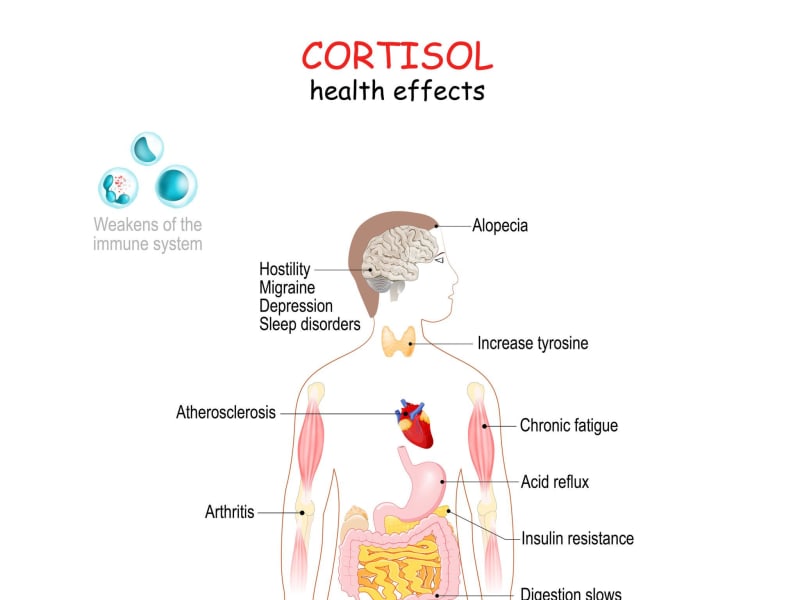
Chronic stress is now implicated in the pathology of heart disease, autoimmune conditions, digestive disorders, and cognitive decline. Understanding the biological mechanisms behind this damage is the first step in taking it seriously.
April 14, 2026

Discover how eating impacts your blood pressure, learn about postprandial hypotension, and get practical diet tips for managing blood pressure, especially for Indian readers. Includes DASH and Mediterranean diet guidance.
April 1, 2026

Explore natural ways to support blood pressure management, including foods and herbs that may act like 'natural beta-blockers'. Learn about antioxidants, L-arginine, potassium, garlic, hawthorn, red yeast rice, and omega-3s. Always consult your doctor before making changes.
April 1, 2026