

Free Helpline
We are here to assist you.
Health Advisor
+91-8877772277Available 7 days a week
10:00 AM – 6:00 PM to support you with urgent concerns and guide you toward the right care.

We are here to assist you.
Health Advisor
+91-8877772277Available 7 days a week
10:00 AM – 6:00 PM to support you with urgent concerns and guide you toward the right care.
Hereditary transthyretin amyloid cardiomyopathy (hATTR-CM) is a rare genetic heart condition. Learn about its symptoms, causes, diagnosis, and treatment options to manage genetic risk and improve heart health.

Hereditary transthyretin amyloid cardiomyopathy (hATTR-CM) is a progressive and often underdiagnosed genetic disorder that primarily affects the heart. It belongs to a group of conditions known as amyloidosis, which occur when abnormal proteins, called amyloid, build up in organs and tissues throughout the body. In hATTR-CM, the amyloid deposits are formed from misfolded transthyretin (TTR) protein, leading to stiffening of the heart muscle and impaired function. Understanding the genetic basis of hATTR-CM is crucial for early diagnosis, appropriate management, and potentially life-saving interventions.
Hereditary ATTR amyloidosis is an inherited condition caused by a mutation in the TTR gene. The TTR gene provides instructions for making the transthyretin protein, which is primarily produced in the liver and transports thyroid hormones and vitamin A (retinol) throughout the body. In individuals with a mutated TTR gene, the protein becomes unstable, misfolds, and aggregates into amyloid fibrils. These fibrils then deposit in various organs, with the heart being a major target in hATTR-CM.
The accumulation of amyloid in the heart muscle (myocardium) causes it to become stiff and thickened, a condition known as restrictive cardiomyopathy. This stiffening prevents the heart from filling properly with blood between beats, leading to reduced pumping efficiency and eventually heart failure. While hATTR-CM is a rare disease, its prevalence is often underestimated due to diagnostic challenges and its varied presentation.
The symptoms of hATTR-CM can be diverse and non-specific, often mimicking other more common heart conditions. This can lead to delays in diagnosis. Symptoms typically worsen over time as amyloid deposits accumulate. They can also affect other systems, making the diagnosis even more complex.
The presence of both cardiac and neurological symptoms, especially bilateral carpal tunnel syndrome or unexplained peripheral neuropathy, should raise suspicion for hATTR-CM.
The sole cause of hereditary ATTR cardiomyopathy is a genetic mutation in the TTR gene. This condition is inherited in an autosomal dominant pattern, meaning that a person needs to inherit only one copy of the mutated gene from either parent to develop the disease. If one parent has the mutation, there is a 50% chance with each pregnancy that their child will inherit the mutated gene.
There are over 130 known mutations in the TTR gene that can lead to ATTR amyloidosis. Some mutations are more commonly associated with cardiac involvement (e.g., V122I, T60A), while others predominantly cause neurological symptoms (e.g., V30M). However, there is significant variability in how these mutations manifest, even within the same family. The V122I mutation is particularly common in individuals of African or African American descent and is a significant cause of hATTR-CM in this population.
It's important to distinguish hATTR-CM from wild-type ATTR cardiomyopathy (wtATTR-CM), which is not inherited and typically affects older men. In wtATTR-CM, the TTR protein misfolds and deposits without a genetic mutation, usually as a consequence of aging.
Diagnosing hATTR-CM can be challenging due to its non-specific symptoms and rarity. A high index of suspicion, especially in individuals with unexplained heart failure, neuropathy, or a family history of similar symptoms, is crucial. The diagnostic process typically involves a combination of imaging, biopsy, and genetic testing.
Treatment for hATTR-CM has advanced significantly in recent years, moving beyond purely supportive care to disease-modifying therapies that can slow or halt the progression of the disease. Treatment strategies aim to stabilize the TTR protein, reduce TTR production, or clear amyloid deposits, alongside managing symptoms.
Treatment decisions are highly individualized and depend on the specific mutation, stage of the disease, and predominant symptoms. A multidisciplinary team approach involving cardiologists, neurologists, geneticists, and other specialists is essential.
Since hATTR-CM is a genetic condition, primary prevention in the sense of preventing the mutation from occurring is not possible. However, prevention strategies focus on early diagnosis and management to prevent or slow disease progression and improve outcomes for at-risk individuals and their families.
If you experience any of the symptoms described above, especially if they are unexplained or progressively worsening, it is important to consult a doctor. This is particularly crucial if:
Early consultation can lead to timely diagnosis and access to effective treatments that can slow disease progression and improve quality of life.
No, hATTR-CM is a genetic disease caused by a mutation in the TTR gene and is not contagious. It cannot be spread from person to person.
hATTR-CM is considered a rare disease, but its exact prevalence is difficult to determine due to underdiagnosis. It's estimated to affect thousands worldwide, with certain mutations being more prevalent in specific populations (e.g., V122I in African Americans).
Currently, there is no cure for hATTR-CM. However, significant advancements in treatment, particularly with TTR stabilizers and gene silencers, can effectively slow or halt disease progression, manage symptoms, and improve patient outcomes. In some cases, liver or heart-liver transplants can be curative by replacing the source of mutant TTR protein.
Both hATTR-CM (hereditary) and wtATTR-CM (wild-type) involve the deposition of transthyretin amyloid in the heart. The key difference is the cause: hATTR-CM is due to a genetic mutation in the TTR gene, while wtATTR-CM occurs without a mutation, typically in older individuals as a consequence of aging, where the normal (wild-type) TTR protein misfolds.
Not necessarily. While carrying a pathogenic TTR mutation means you are at risk, the penetrance (the likelihood of developing symptoms) can vary significantly depending on the specific mutation and other genetic or environmental factors. Some individuals with mutations may remain asymptomatic for a long time, or even throughout their lives, a phenomenon known as variable penetrance. Regular monitoring is still recommended.
Hereditary ATTR cardiomyopathy is a serious and progressive genetic heart condition that requires a high index of suspicion for timely diagnosis. While challenging to identify due to its varied symptoms, advancements in diagnostic tools, particularly nuclear scintigraphy and genetic testing, have made early detection more feasible. The emergence of disease-modifying therapies has transformed the landscape of hATTR-CM management, offering hope for slowing disease progression and improving the quality of life for affected individuals. Awareness, early recognition of symptoms, prompt medical evaluation, and genetic counseling are paramount in addressing the impact of this complex genetic disorder on heart health.
This article provides general information and does not constitute medical advice. Always consult with a qualified healthcare professional for diagnosis and treatment of any medical condition. The information presented is based on current medical understanding of Hereditary ATTR Cardiomyopathy. For specific treatment guidelines and detailed information, please refer to reputable medical organizations and peer-reviewed journals such as:
- American Heart Association (AHA)
- European Society of Cardiology (ESC)
- Amyloidosis Foundation
- National Organization for Rare Disorders (NORD)
- Clinical trial results published in journals like The New England Journal of Medicine, Circulation, Journal of the American College of Cardiology.
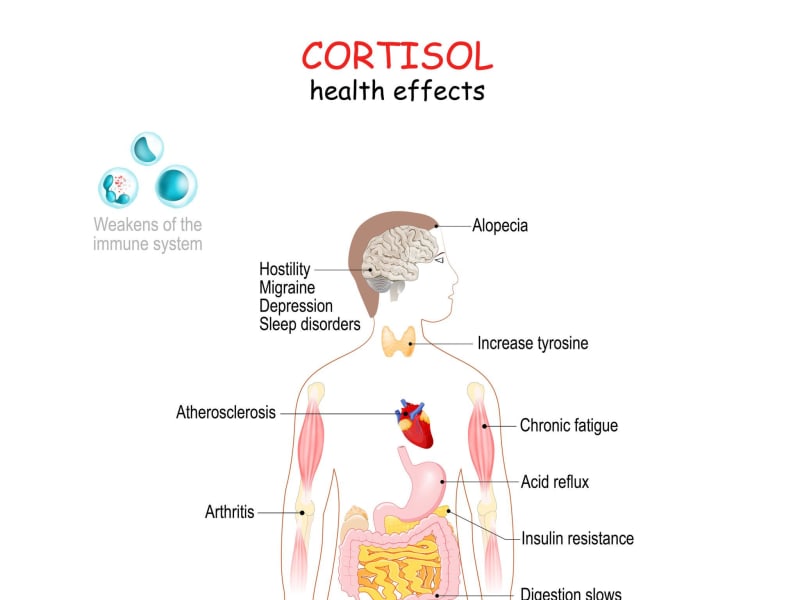
Chronic stress is now implicated in the pathology of heart disease, autoimmune conditions, digestive disorders, and cognitive decline. Understanding the biological mechanisms behind this damage is the first step in taking it seriously.
April 14, 2026

Discover how eating impacts your blood pressure, learn about postprandial hypotension, and get practical diet tips for managing blood pressure, especially for Indian readers. Includes DASH and Mediterranean diet guidance.
April 1, 2026

Explore natural ways to support blood pressure management, including foods and herbs that may act like 'natural beta-blockers'. Learn about antioxidants, L-arginine, potassium, garlic, hawthorn, red yeast rice, and omega-3s. Always consult your doctor before making changes.
April 1, 2026