

Free Helpline
We are here to assist you.
Health Advisor
+91-8877772277Available 7 days a week
10:00 AM – 6:00 PM to support you with urgent concerns and guide you toward the right care.

We are here to assist you.
Health Advisor
+91-8877772277Available 7 days a week
10:00 AM – 6:00 PM to support you with urgent concerns and guide you toward the right care.
Recognizing common heart disease symptoms like chest pain, breathlessness, fatigue, and irregular heartbeats is crucial for early detection and treatment. Learn to identify the warning signs and understand when to seek medical help for better heart health.

Understanding the warning signs of heart disease is paramount for early detection and effective management. Heart disease remains a leading cause of mortality worldwide, but recognizing its symptoms can significantly improve outcomes. Many people may dismiss subtle signs, attributing them to stress, aging, or other less serious conditions. However, knowing what to look for and when to seek medical attention can be life-saving. This comprehensive guide will delve into the most common symptoms, helping you identify potential issues and take proactive steps towards maintaining your cardiovascular health.
Heart disease is an umbrella term encompassing a range of conditions that affect your heart. These conditions include coronary artery disease (CAD), which involves narrowed or blocked blood vessels; heart failure, where the heart can't pump enough blood; arrhythmias, which are abnormal heart rhythms; and congenital heart defects, among others. Each type can manifest with distinct symptoms, but there are several common indicators that should never be ignored. Early diagnosis is key, as it allows for timely intervention, lifestyle modifications, and medical treatments that can prevent progression and complications.
Perhaps the most well-known symptom, chest pain is often associated with heart attacks or coronary artery disease. This pain, known as angina, isn't always sharp. It can feel like a pressure, tightness, squeezing, or a heavy sensation in your chest. It might occur behind your breastbone, or sometimes spread to your neck, jaw, shoulders, back, or arms (especially the left arm). Angina often gets worse with physical activity or emotional stress and can be relieved by rest or medication. While not all chest pain is heart-related, new or worsening chest pain should always be evaluated by a medical professional immediately.
Feeling unusually breathless, especially during light activity or even at rest, can be a significant sign of heart trouble. This symptom, known as dyspnea, often indicates that your heart isn't pumping enough blood to meet your body's oxygen demands, leading to fluid buildup in the lungs (a hallmark of heart failure). If you find yourself gasping for air, waking up breathless at night, or experiencing difficulty breathing while lying down, seek prompt medical advice.
Unexplained or persistent fatigue and weakness, especially after minimal exertion, can be a symptom of heart disease. When your heart struggles to pump blood efficiently, your organs and muscles don't receive adequate oxygen and nutrients, leading to a general feeling of tiredness. Many people attribute this to aging or stress, but if it's new, severe, or interferes with your daily activities, it warrants investigation.
While occasional skipped heartbeats are common and usually harmless, persistent or noticeable irregular heartbeats, known as palpitations, can signal an underlying heart condition. You might feel your heart racing, fluttering, pounding, or skipping beats. If these sensations are accompanied by dizziness, shortness of breath, or chest discomfort, they could indicate an arrhythmia that requires medical attention.
Swelling (edema) in your lower extremities is a common sign of heart failure. When your heart can't pump blood effectively, fluid can back up in the veins and accumulate in tissues, particularly in your legs, ankles, and feet due to gravity. This can make your shoes feel tight or leave indentations when you press on the swollen area. It's a symptom that suggests your heart is working harder than it should.
Heart pain isn't always confined to the chest. It can radiate to other areas such as the left arm, jaw, back, neck, or even the stomach. This referred pain is particularly common in women, who may experience atypical symptoms like back or jaw pain without typical chest discomfort during a heart attack. If you experience sudden, unexplained pain in these areas, especially if accompanied by other symptoms, consider it a potential cardiac issue.
Feeling dizzy or lightheaded, or even fainting, can be a sign that your heart isn't pumping enough blood to your brain. This can be caused by various heart problems, including arrhythmias, heart valve issues, or heart failure. If these symptoms occur frequently or without warning, it's crucial to consult a doctor.
While often mistaken for digestive issues, these symptoms can sometimes be indicative of a heart attack, especially in women. If you experience nausea, indigestion, heartburn, or abdominal pain along with other cardiac symptoms like chest pain or shortness of breath, do not dismiss them. This combination can be a less typical presentation of a serious heart event.
If you experience any new, severe, or worsening heart symptoms, particularly chest pain, shortness of breath, or fainting, it is critical to seek emergency medical care immediately. For less severe but persistent symptoms, make an appointment with your doctor. Never try to self-diagnose heart problems. Early intervention can prevent serious complications and improve your long-term health outlook.
While recognizing symptoms is vital, prevention is always the best strategy. Maintaining a heart-healthy lifestyle includes a balanced diet rich in fruits, vegetables, and whole grains, regular physical activity, managing stress, getting adequate sleep, avoiding smoking, and controlling conditions like high blood pressure, high cholesterol, and diabetes. Regular check-ups with your doctor are also essential for monitoring your heart health.
Yes, while men often experience classic chest pain, women may have more subtle or atypical symptoms like shortness of breath, nausea, extreme fatigue, and pain in the back or jaw without intense chest pressure. It's important for both genders to be aware of the full range of symptoms.
No, chest pain can be caused by many conditions, including muscle strain, heartburn, anxiety, or lung issues. However, because it can be a symptom of a heart attack, any new or concerning chest pain should always be evaluated by a healthcare professional immediately.
If you experience sudden, severe chest pain, especially if it radiates to your arm, jaw, or back, or is accompanied by shortness of breath, sweating, or dizziness, call emergency services immediately. Do not attempt to drive yourself to the hospital.
Chronic stress can contribute to risk factors for heart disease like high blood pressure and can also trigger symptoms like palpitations or chest discomfort. While stress itself might not cause a heart attack, it can exacerbate existing heart conditions and mimic symptoms, making it important to manage stress effectively and consult a doctor if symptoms are concerning.
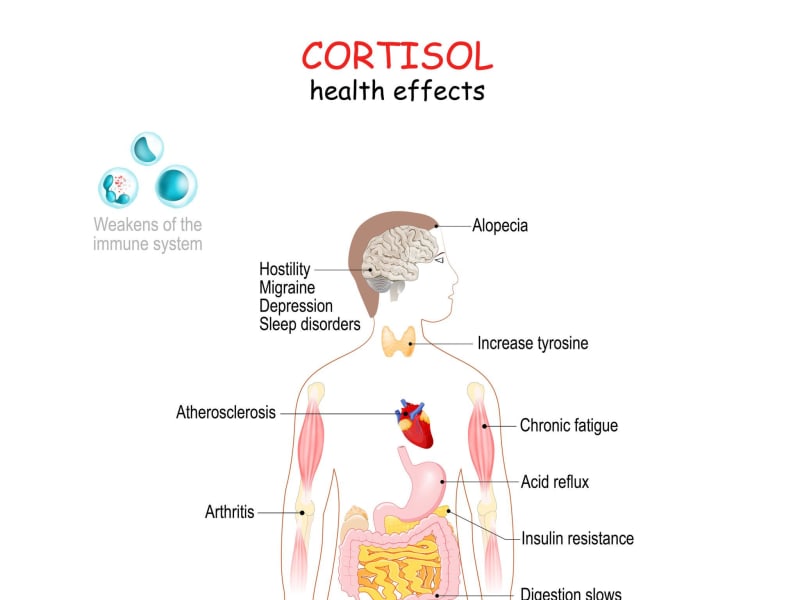
Chronic stress is now implicated in the pathology of heart disease, autoimmune conditions, digestive disorders, and cognitive decline. Understanding the biological mechanisms behind this damage is the first step in taking it seriously.
April 14, 2026

Discover how eating impacts your blood pressure, learn about postprandial hypotension, and get practical diet tips for managing blood pressure, especially for Indian readers. Includes DASH and Mediterranean diet guidance.
April 1, 2026

Explore natural ways to support blood pressure management, including foods and herbs that may act like 'natural beta-blockers'. Learn about antioxidants, L-arginine, potassium, garlic, hawthorn, red yeast rice, and omega-3s. Always consult your doctor before making changes.
April 1, 2026