

Free Helpline
We are here to assist you.
Health Advisor
+91-8877772277Available 7 days a week
10:00 AM – 6:00 PM to support you with urgent concerns and guide you toward the right care.

We are here to assist you.
Health Advisor
+91-8877772277Available 7 days a week
10:00 AM – 6:00 PM to support you with urgent concerns and guide you toward the right care.
Explore the world of cholesterol injections: understand their cost, effectiveness, who needs them, potential side effects, and alternatives, with a focus on the Indian healthcare landscape.

High cholesterol is a significant health concern for many individuals, increasing the risk of serious cardiovascular events like heart attacks and strokes. While lifestyle changes and oral medications like statins are often the first line of treatment, some patients require more potent interventions. Cholesterol injections represent a newer, advanced treatment option for managing severely high cholesterol levels. This guide aims to provide a detailed overview of cholesterol injections, focusing on their cost, effectiveness, potential side effects, and when a doctor might prescribe them, with a specific focus on the Indian context.
Cholesterol injections are a class of medications designed to significantly lower high-density lipoprotein (HDL) cholesterol, commonly known as 'bad' cholesterol. These injections typically work by interfering with the body's processes for producing or clearing cholesterol, particularly low-density lipoprotein (LDL) cholesterol. Unlike traditional oral medications, these are administered via injection, often at less frequent intervals, offering a different approach to managing hypercholesterolemia.
The primary mechanism of action for most cholesterol-lowering injections involves targeting specific proteins or pathways involved in cholesterol metabolism. For instance, some injections, like those containing PCSK9 inhibitors (e.g., Repatha and Praluent), are monoclonal antibodies. These antibodies bind to the PCSK9 protein in the liver. PCSK9 normally breaks down LDL receptors, which are responsible for removing LDL cholesterol from the bloodstream. By inhibiting PCSK9, these injections allow more LDL receptors to remain on the liver's surface, leading to increased removal of LDL cholesterol from the blood. Another type of injection, such as Inclisiran (Leqvio), works differently by targeting the messenger RNA (mRNA) that instructs the liver to produce PCSK9 protein, thereby reducing PCSK9 levels and consequently lowering LDL cholesterol.
Cholesterol injections are generally reserved for individuals who meet specific criteria:
Several cholesterol-lowering injections are available globally, though their availability and cost in India can vary. The most common types include:
These are injectable medications that significantly reduce LDL cholesterol. They are typically administered every two weeks or once a month.
This is a newer class of cholesterol-lowering injection that works differently by targeting PCSK9 production at the mRNA level. It is administered less frequently.
Note on Costs: The prices mentioned are estimates and can vary significantly based on the specific pharmaceutical company, the city of purchase, prevailing market rates, and any discounts or insurance schemes available. It is essential to consult with your healthcare provider and insurance company for accurate cost information and coverage details in India.
Like all medications, cholesterol injections can have side effects. It is vital to discuss these with your doctor. Common side effects may include:
Serious allergic reactions are rare but possible. If you experience difficulty breathing, swelling of the face, lips, tongue, or throat, seek immediate medical attention.
Oral medications, particularly statins, remain the cornerstone of cholesterol management due to their proven efficacy, long-term safety record, and affordability. They are typically the first choice for most patients. Cholesterol injections are generally considered when oral medications are insufficient or not tolerated. While injections offer superior potency for some individuals and a less frequent dosing schedule, their high cost is a major barrier. The decision between injections and oral medications is highly individualized and should be made in consultation with a healthcare provider, considering the patient's cholesterol levels, overall health, risk factors, and financial situation.
It is crucial to consult a doctor if you have high cholesterol or any risk factors for heart disease. Specifically, seek medical advice if:
Your doctor will assess your condition, discuss treatment options, including the potential role of cholesterol injections, and help you make an informed decision.
Most people experience mild discomfort or a stinging sensation at the injection site, similar to other injections. The pain is usually temporary and subsides quickly. Your doctor can discuss strategies to minimize discomfort.
The duration of treatment depends on your individual response, cholesterol levels, and overall cardiovascular risk. For many, it is a long-term therapy, often lifelong, to maintain cholesterol control.
No, cholesterol injections are prescription medications and must be administered under the guidance of a qualified healthcare professional. Self-administering these powerful drugs without medical supervision is not recommended and can be dangerous.
Diet and exercise remain fundamental components of cholesterol management, even when taking injections. A heart-healthy diet low in saturated and trans fats, combined with regular physical activity, complements the effects of the medication and contributes to overall cardiovascular health.
Insurance coverage for advanced medications like cholesterol injections can vary significantly among providers and policies in India. Some comprehensive health insurance plans may offer coverage, but often with specific conditions, co-payments, or deductibles. It is essential to check your policy details or speak directly with your insurance provider to understand the extent of coverage for these treatments.
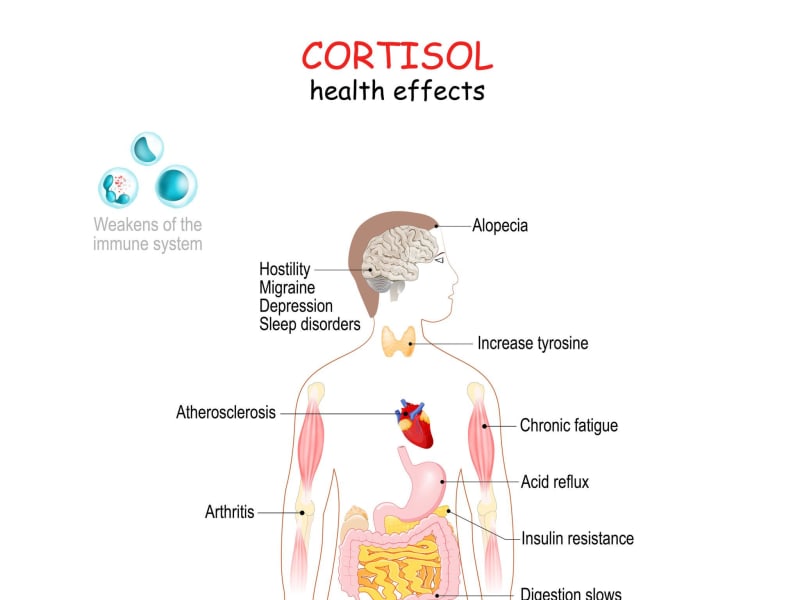
Chronic stress is now implicated in the pathology of heart disease, autoimmune conditions, digestive disorders, and cognitive decline. Understanding the biological mechanisms behind this damage is the first step in taking it seriously.
April 14, 2026

Discover how eating impacts your blood pressure, learn about postprandial hypotension, and get practical diet tips for managing blood pressure, especially for Indian readers. Includes DASH and Mediterranean diet guidance.
April 1, 2026

Explore natural ways to support blood pressure management, including foods and herbs that may act like 'natural beta-blockers'. Learn about antioxidants, L-arginine, potassium, garlic, hawthorn, red yeast rice, and omega-3s. Always consult your doctor before making changes.
April 1, 2026