

Free Helpline
We are here to assist you.
Health Advisor
+91-8877772277Available 7 days a week
10:00 AM – 6:00 PM to support you with urgent concerns and guide you toward the right care.

We are here to assist you.
Health Advisor
+91-8877772277Available 7 days a week
10:00 AM – 6:00 PM to support you with urgent concerns and guide you toward the right care.
Learn about the common causes of chest pain and dizziness, from anxiety to heart conditions. Understand when to seek emergency help and when to consult your doctor.

Experiencing chest pain and dizziness at the same time can be alarming. Many people worry that it might signal a serious heart problem. While it's true that these symptoms can sometimes indicate a medical emergency, they are also frequently caused by less severe issues. Understanding the possible reasons behind this combination can help you know when to seek immediate medical attention and when to consult your doctor. It's natural to feel anxious when you experience such symptoms. Imagine this: you're at home, perhaps after a busy day, and suddenly you feel a tightness in your chest coupled with a wave of dizziness. Your first thought might be the worst. However, it's important to remember that many factors can contribute to this, and not all of them are life-threatening. This guide aims to provide clear, practical information for Indian readers, helping you navigate these symptoms with confidence. Common Causes of Chest Pain and Dizziness The reasons for experiencing chest pain and dizziness together are varied. Let's explore some of the most frequent culprits: Anxiety and Panic Attacks It's quite common for feelings of anxiety to manifest physically. When anxiety builds up, or if you have an anxiety disorder, you might experience chest tightness, a racing heart, and dizziness. A panic attack is a more intense, sudden episode of fear that can include symptoms like: A pounding heart Shortness of breath Chest pain or discomfort Dizziness or lightheadedness Trembling or shaking A feeling of losing control While a full panic attack involves several symptoms, a limited-symptom panic attack can occur with fewer. If these episodes happen frequently or interfere with your daily life, speaking to a doctor or mental health professional is a good step. High Blood Pressure (Hypertension) High blood pressure, also known as hypertension, means the force of blood pushing against your artery walls is consistently too high. Often, hypertension doesn't cause noticeable symptoms in its early stages. However, in severe or advanced cases, it can be associated with chest pain and dizziness. Managing blood pressure through lifestyle changes and medication, if prescribed, is vital for overall health. Gastrointestinal Issues Problems with your digestive system can sometimes lead to chest discomfort that feels like pain. Everyone experiences gas, but when it builds up, it can cause bloating and discomfort that may radiate to the chest. This pressure can sometimes lead to feelings of dizziness. Upper abdominal pain, often associated with conditions like indigestion or acid reflux, can also be felt in the chest. This discomfort might be accompanied by nausea or dizziness. If you frequently experience heartburn or indigestion, it's worth discussing with your doctor. Angina Angina is a type of chest pain that occurs when a part of your heart muscle doesn't get enough oxygen-rich blood. This usually happens during physical exertion or emotional stress, but it can also occur at rest. Angina pain is often described as a squeezing, pressure, or tightness in the chest. It can sometimes be accompanied by dizziness. Heart Disease and Arrhythmias Heart disease is a broad term encompassing various conditions affecting the heart's rhythm, blood vessels, or muscle. Some specific heart conditions can cause both chest pain and dizziness: Arrhythmia (Abnormal Heartbeat): This occurs when your heart beats too fast, too slow, or irregularly. An irregular heartbeat can disrupt the normal flow of blood, leading to chest discomfort and dizziness. Other symptoms might include palpitations or a fluttering sensation in the chest. Atrial Fibrillation (AFib): A common type of arrhythmia where the upper chambers of the heart (atria) beat chaotically and irregularly. AFib can cause chest pain and dizziness due to the inefficient pumping of blood. You might also experience shortness of breath or fatigue. Mitral Valve Prolapse (MVP): In MVP, the heart's mitral valve doesn't close properly. While many people with MVP have no symptoms, some can experience chest pain, dizziness, and palpitations. Heart Attack (Myocardial Infarction) A heart attack is a medical emergency that happens when blood flow to a part of the heart muscle is severely reduced or blocked. This is often caused by a blockage in the coronary arteries. Symptoms can vary but commonly include: Chest pain or pressure that may spread to the arms, jaw, neck, or back Shortness of breath Cold sweats Nausea or vomiting Sudden dizziness or lightheadedness If you suspect you are having a heart attack, call emergency services immediately. Do not delay seeking help. Migraine While primarily known for causing severe headaches, migraines are neurological conditions that can sometimes present with other symptoms. Chest pain isn't a typical migraine symptom, but it can occur in some individuals during a migraine episode, potentially alongside dizziness. Food Poisoning Contaminated food can lead to food poisoning, causing symptoms like nausea, vomiting, diarrhea, and abdominal pain. The abdominal pain can sometimes be felt in the chest and might be accompanied by dizziness, especially if dehydration sets in. When to Seek Immediate Medical Help Most instances of chest pain and dizziness are not serious and resolve on their own. However, it's crucial to recognize when these symptoms might indicate a medical emergency. You should call emergency services (like 108 or 112 in India) immediately if you experience chest pain and dizziness along with any of the following: Symptoms that last for more than 15 minutes Difficulty breathing or shortness of breath Pain that spreads to your arms, jaw, neck, or back Cold sweats Nausea or vomiting A sudden, severe headache Loss of consciousness Irregular or very fast heartbeat Prompt medical attention in these situations can be life-saving. When to Consult Your Doctor Even if your symptoms don't seem immediately life-threatening, it's wise to consult a doctor if: The chest pain and dizziness occur frequently. The symptoms are worsening over time. You have underlying health conditions like high blood pressure, diabetes, or a history of heart disease. You are concerned about your symptoms. Your doctor can perform a thorough evaluation, including a physical exam and possibly diagnostic tests, to determine the exact cause and recommend appropriate treatment. Diagnosis and Treatment Diagnosing the cause of chest pain and dizziness involves a comprehensive approach: Medical History and Physical Exam: Your doctor will ask detailed questions about your symptoms, medical history, and lifestyle. A physical examination will help assess your vital signs and overall health. Diagnostic Tests: Depending on the suspected cause, tests may include an electrocardiogram (ECG or EKG) to check heart rhythm, blood tests to look for heart muscle damage or other markers, a chest X-ray, or imaging tests like an echocardiogram. Treatment varies significantly based on the diagnosis: For Anxiety/Panic Attacks: Therapy (like cognitive behavioral therapy), stress management techniques, and sometimes medication can be effective. For High Blood Pressure: Lifestyle changes (diet, exercise, reducing salt intake) and prescribed medications are key. For Gastrointestinal Issues: Antacids, dietary adjustments, and medications to reduce stomach acid are common treatments. For Angina/Heart Disease: Medications to improve blood flow, reduce blood pressure, or manage heart rhythm, along with lifestyle changes, are often prescribed. In some cases, procedures like angioplasty or surgery may be necessary. For Other Conditions: Treatment will be specific to the diagnosed condition, whether it's food poisoning, a migraine, or another ailment. Preventing Chest Pain and Dizziness While not all causes can be prevented, adopting a healthy lifestyle can significantly reduce the risk of many conditions that lead to these symptoms: Maintain a Healthy Diet: Focus on fruits, vegetables, whole grains, and lean proteins. Limit processed foods, excessive salt, and unhealthy fats. Regular Exercise: Aim for at least 150 minutes of moderate-intensity aerobic activity per week. Manage Stress: Practice relaxation techniques like deep breathing, meditation, or yoga. Avoid Smoking: If you smoke, seek help to quit. Limit Alcohol Intake: Consume alcohol in moderation, if at all. Stay Hydrated: Drink plenty of water throughout the day. Regular Health Check-ups: See your doctor for regular screenings and to manage any chronic conditions. Frequently Asked Questions (FAQ) Q1: Is chest pain and dizziness always a sign of a heart attack? A1: No, not always. While a heart attack is a serious possibility, many other conditions, including anxiety, indigestion, and high blood pressure, can cause these symptoms. It's important to assess other accompanying symptoms and seek medical help if you have any doubts. Q2: How quickly should I see a doctor if I experience chest pain and dizziness? A2: If your symptoms are severe, last longer than 15 minutes, or are accompanied by shortness of breath, cold sweats, or pain spreading to other areas, call for emergency medical help immediately. If symptoms are mild and resolve quickly, but you are concerned or they happen often, schedule an appointment with your doctor. Q3: Can stress cause chest pain and dizziness? A3: Yes, stress and anxiety are common triggers for physical symptoms like chest tightness, a racing heart, and dizziness. Panic attacks, which are often linked to stress, can also cause these sensations. Q4: What can I do at home if I feel mild chest pain and dizziness? A4: If the symptoms are mild and you suspect they might
In summary, timely diagnosis, evidence-based treatment, and prevention-focused care improve long-term health outcomes.
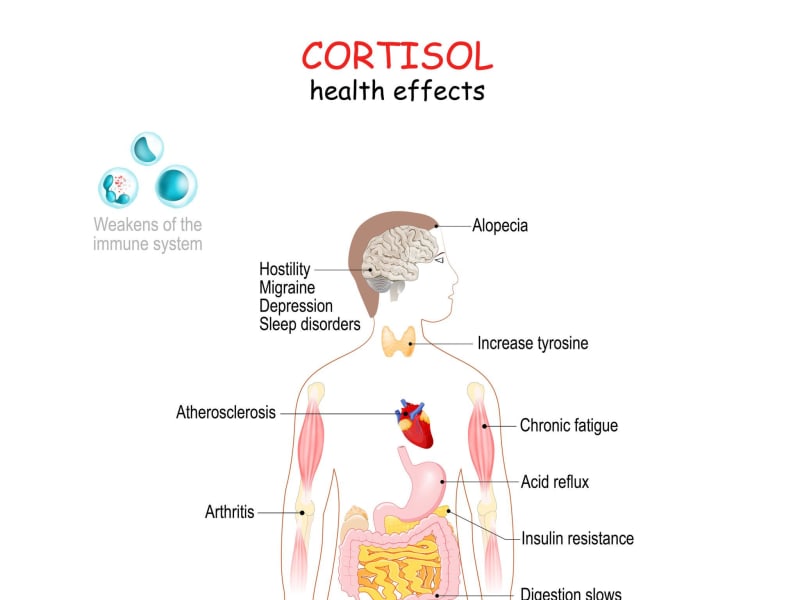
Chronic stress is now implicated in the pathology of heart disease, autoimmune conditions, digestive disorders, and cognitive decline. Understanding the biological mechanisms behind this damage is the first step in taking it seriously.
April 14, 2026

Discover how eating impacts your blood pressure, learn about postprandial hypotension, and get practical diet tips for managing blood pressure, especially for Indian readers. Includes DASH and Mediterranean diet guidance.
April 1, 2026

Explore natural ways to support blood pressure management, including foods and herbs that may act like 'natural beta-blockers'. Learn about antioxidants, L-arginine, potassium, garlic, hawthorn, red yeast rice, and omega-3s. Always consult your doctor before making changes.
April 1, 2026