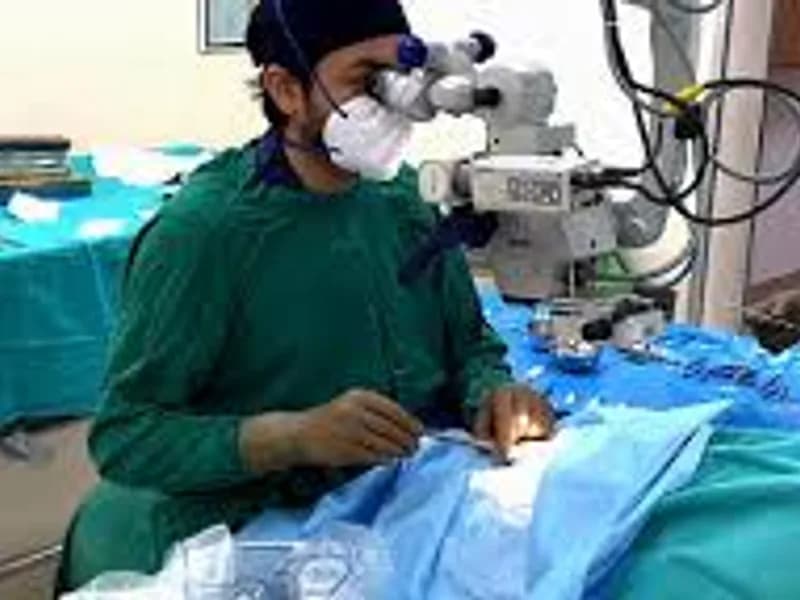
As we age, the natural clear lens inside our eye slowly becomes cloudy, leading to a common visual impairment known as a cataract. When this clouding begins to interfere with your ability to read, drive safely, or recognize familiar faces, consulting a skilled cataract surgery doctor in India is the best step toward reclaiming crystal-clear vision.
India has earned a stellar reputation as a global hub for advanced ophthalmology, offering precision eye care that matches the highest international healthcare benchmarks. By choosing a specialized eye surgeon, you gain access to sophisticated, painless procedures that replace the cloudy lens with a premium artificial implant, safely permanently restoring your sight.
Indian eye care centers are widely recognized for combining top-tier clinical expertise with cutting-edge robotic and laser infrastructure. Selecting an ophthalmic specialist in India ensures you receive world-class care customized entirely to your unique lifestyle and refractive needs.
Patients from across the globe choose Indian eye specialists due to several distinct medical advantages:
Globally Trained Ophthalmologists: Many interventional eye specialists have decades of experience and hold prestigious international fellowships.
Micro-Incision Techniques: Routine use of advanced phacoemulsification (ultrasound) and femtosecond laser surgery that requires no painful stitches or needles.
Premium Implant Options: Access to a complete range of advanced intraocular lenses (IOLs), including multifocal, trifocal, and astigmatism-correcting toric lenses.
Highly Affordable Visual Care: Premium diagnostic testing, customizable lens choices, and precise laser surgeries delivered at a fraction of Western medical costs.
Symptoms That Indicate You Have a Cataract
Cataracts typically develop over several years, causing a slow and painless decline in your overall visual quality. Recognizing these progressive visual warning signs early allows a cataract surgery doctor in India to evaluate your eyes and intervene before your independence is compromised.
Schedule a comprehensive eye exam if you notice any of the following visual changes:
Cloudy or Blurry Sight: Feeling as though you are constantly looking through a dirty piece of glass or a foggy, misted window pane.
Increased Glare Sensitivity: Experiencing sharp halos, glare, or physical discomfort around oncoming car headlights or bright overhead indoor lights.
Poor Night Vision: Noticing a sudden, significant difficulty seeing clearly in dim settings, making driving after dark highly hazardous.
Fading of Vibrant Colors: Recognizing that bright whites, deep blues, and rich yellows look increasingly dull, faded, or tinted with a yellowish hue.
Core Causes and Risk Factors for Lens Clouding
The primary cause of cataracts is the natural aging process, which causes the proteins within the eye's lens to clump together and obscure incoming light. Understanding the complementary risk factors can help you manage your overall systemic health and preserve your remaining vision.
Your chosen eye surgeon will look at several personal risk factors during your preliminary eye evaluation:
Natural Cellular Aging: The progressive structural breakdown of lens proteins that typically starts affecting adults after the age of forty.
Unmanaged Diabetes Mellitus: High systemic blood sugar levels that structurally alter the fluid balance inside the crystalline lens, accelerating cloudiness.
Extended UV Exposure: Spending prolonged hours outdoors in bright sunlight without wearing protective, UV-blocking sunglasses.
Lifestyle and Medical History: A history of long-term tobacco use, chronic hypertension, severe ocular trauma, or prolonged usage of corticosteroid medications.
Advanced Treatment Options in Modern Eye Surgery
The only definitive, medically proven method to cure a cataract is to surgically remove the cloudy natural lens and replace it with a clear intraocular lens (IOL). Your cataract surgery doctor in India will measure your eye shape precisely to help you choose the ideal treatment approach.
Modern eye care centers routinely offer these highly successful surgical procedures:
Phacoemulsification Surgery: The current global standard, where high-frequency ultrasound waves safely dissolve the cataract through a microscopic incision.
Femtosecond Laser Cataract Surgery: Utilizing a computer-guided robotic laser to make ultra-precise incisions and soften the cataract, maximizing overall safety.
Monofocal Intraocular Lenses: A highly reliable lens choice designed to provide crisp, sharp vision at a single distance, usually requiring reading glasses for close-up tasks.
Advanced Technology IOLs: Premium multifocal or extended depth of focus (EDOF) lenses that greatly reduce your dependency on glasses for both near and far distances.
What to Expect During the Visual Recovery Process
The recovery following a modern outpatient eye procedure is remarkably fast, but it requires strict compliance with your doctor’s post-operative instructions. Adhering to your eye drop schedule prevents localized infection and ensures the new implant settles perfectly into place.
A standard post-operative recovery plan involves the following essential care milestones:
Immediate Discharge: Spending less than two hours at the eye clinic before heading home safely with a protective clear eye shield.
Meticulous Eye Drop Use: Administering prescribed antibiotic and anti-inflammatory eye drops exactly as directed to promote healthy internal healing.
Visual Stabilization: Experiencing mild blurriness or a slight gritty feeling for the first two to three days before vision sharpens dramatically.
Activity Modifications: Avoiding bending forward completely, lifting heavy items, splashing water directly into the eye, or rubbing the eyelids for two weeks.
FAQs:
1. Is cataract surgery painful, and is general anesthesia required? No, the procedure is virtually painless. Surgeons use advanced numbing eye drops, completely eliminating the need for general anesthesia or painful injections around the eye, keeping you comfortable and awake throughout.
2. Can a cataract return or grow back after undergoing surgery? No, a cataract cannot grow back because the natural lens has been permanently removed. However, some patients may develop a common condition called a secondary cataract months or years later, which is quickly and painlessly cleared with a brief, non-surgical laser treatment.
3. How long should I wait between having both eyes operated on? To ensure complete medical safety and allow your first eye's vision to stabilize, surgeons typically recommend waiting anywhere from several days to two weeks before scheduling surgery for the second eye.
Conclusion
Consulting an experienced cataract surgery doctor in India is a safe, predictable, and life-changing pathway to restoring your visual clarity and daily confidence. By combining world-class surgical expertise, advanced robotic laser systems, and premium lens designs, you can look forward to a swift and painless recovery. Reclaim the vibrant colors of your world by scheduling a comprehensive diagnostic eye checkup today.
Author: Doctar Team
Disclaimer: The information provided in this article is for educational purposes only and should not replace professional medical advice, diagnosis, or treatment. For more information connect with Doctor on Doctar.