

Free Helpline
We are here to assist you.
Health Advisor
+91-8877772277Available 7 days a week
10:00 AM – 6:00 PM to support you with urgent concerns and guide you toward the right care.

We are here to assist you.
Health Advisor
+91-8877772277Available 7 days a week
10:00 AM – 6:00 PM to support you with urgent concerns and guide you toward the right care.
Discover why your bruise might be itching, potential causes like dry skin or increased circulation, and effective home remedies for relief. Learn when to consult a doctor for persistent or concerning symptoms.

Discovering a bruise is common after a bump or fall. But what if that bruise starts to itch? This sensation, medically known as pruritus, can be puzzling and sometimes uncomfortable. In India, where active lifestyles are common and people often engage in sports or outdoor activities, experiencing a bruise is a regular occurrence. However, an itchy bruise might leave you wondering if something more serious is going on. This guide aims to demystify why your bruise might be itching, what you can do about it, and when it's time to seek medical advice.
Before we dive into the itch, let's understand what a bruise is. A bruise, or contusion, forms when tiny blood vessels beneath your skin break, usually due to an injury. This rupture causes blood to leak into the surrounding tissues, creating that familiar discolored patch. While bumps and falls are the usual culprits, muscle strains, ligament sprains, or even bone fractures can also lead to bruising. As the bruise heals, it goes through a fascinating color transformation, typically changing from red or purple to brown, and finally to a yellowish hue before disappearing.
The exact reason why a bruise might itch isn't fully understood by medical science. However, several theories attempt to explain this phenomenon:
While an isolated itchy bruise is often harmless, sometimes the combination of bruising and itching can signal an underlying issue. This is particularly important to consider if you notice a rash or other skin lesions along with the bruise.
A common scenario in India, especially during monsoon or warmer months, involves insect bites. A mosquito, flea, or ant bite can cause intense itching. If you scratch the bite excessively, you can damage the skin, leading to bruising. In this case, both the bite and the resulting bruise can be itchy. The itch will persist until your body's reaction to the insect's venom or proteins subsides.
Sometimes, a bruise might appear to be itching because it's masking an underlying skin condition. For example, a rash or a lump could be the primary issue, and your scratching might cause bruising. The original condition might also be itchy itself.
While most itchy bruises are nothing to worry about, there are specific situations where you should seek medical attention. It's always better to be safe than sorry, especially when it comes to your health.
Although rare, persistent bruising along with itchy skin could, in some cases, be a symptom of more serious health problems:
Some medications, including certain antibiotics and chemotherapy drugs, can cause both increased bruising and skin itchiness. If you've recently started a new medication and noticed these symptoms, discuss it with your doctor.
If your itchy bruise doesn't seem to be linked to any serious conditions, here are some practical steps you can take for relief:
Real-life scenario: Rohan, a 30-year-old software engineer in Delhi, accidentally banged his shin against his desk while rushing for a meeting. A large bruise formed, and a few days later, it started to itch intensely. He resisted the urge to scratch, applied a cold compress, and kept the area moisturized. Within a week, both the bruise and the itch faded away without any issues.
It's important to seek medical advice if you experience any of the following:
Your doctor can properly diagnose the cause of your symptoms and recommend the most effective treatment plan. They might perform blood tests or other investigations to rule out underlying conditions.
Yes, a bruise can itch as part of the inflammatory process or due to nerve responses, even if the visible healing of the discoloration hasn't reached that stage yet. The itch is often related to the body's repair mechanisms.
Use mild, fragrance-free moisturizers or over-the-counter anti-itch creams like hydrocortisone or antihistamine creams as directed. Avoid applying strong or unverified topical treatments, as they could irritate the skin or worsen the condition.
The itch associated with a bruise typically lasts as long as the bruise is present and healing, which can be anywhere from a few days to a couple of weeks, depending on the severity of the bruise.
Understanding why your bruise might be itching can alleviate anxiety. By following simple self-care measures and knowing when to consult a healthcare professional, you can manage this common discomfort effectively.
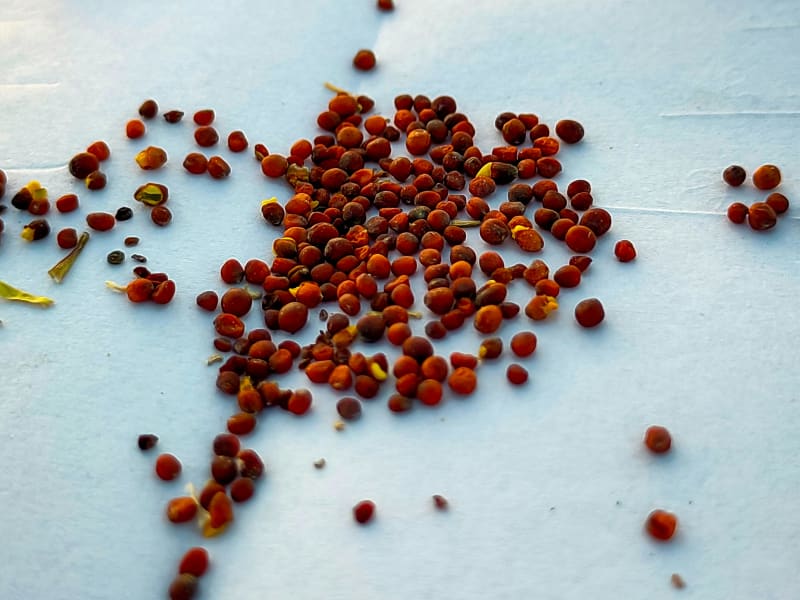
An example of a spice, which has potential health benefits, is mustard seeds. Their nutrition, applications, benefits, and safety are explained in simple terms in this manual.
April 11, 2026

Explore the fascinating world of DNA (deoxyribonucleic acid), the molecule that holds the blueprint for life. Learn about its structure, function, genes, and its vital role in health and inheritance, explained simply for Indian readers.
April 1, 2026

Discover effective, practical tips for recovering from the common cold faster. Learn about hydration, warm liquids, rest, and when to see a doctor, tailored for an Indian audience.
April 1, 2026