

Free Helpline
We are here to assist you.
Health Advisor
+91-8877772277Available 7 days a week
10:00 AM – 6:00 PM to support you with urgent concerns and guide you toward the right care.

We are here to assist you.
Health Advisor
+91-8877772277Available 7 days a week
10:00 AM – 6:00 PM to support you with urgent concerns and guide you toward the right care.
Discover the science behind why we itch, the common causes like dry skin and allergies, and practical relief strategies including moisturizers, cool compresses, and when to see a doctor to break the itch-scratch cycle.

That nagging, tickling, or sometimes even burning sensation on your skin – we all know it as an itch. It’s a common, everyday experience that can range from mildly annoying to downright maddening, especially when it strikes at inconvenient times, like in the middle of the night. But have you ever stopped to wonder why our skin decides to send us these signals, and why scratching, while momentarily satisfying, often makes things worse? Let’s explore the fascinating science behind itching and discover practical ways to find relief and break free from the relentless itch-scratch cycle. At its core, an itch, medically known as pruritus, is a sensation that arises from the stimulation of specific nerve cells in your skin. These nerve endings send signals along your nerves to your spinal cord, and then up to your brain, where the sensation is interpreted as an itch. This sensation prompts an almost instinctive urge to scratch the affected area. It’s a complex interplay between your skin and your nervous system, involving a variety of cells, proteins, and chemical messengers. When these elements are triggered, they essentially alert your brain that something needs attention on your skin. The feeling of an itch can vary greatly. Some people describe it as a mild tickle, while others experience it as a burning sensation, a sharp, electric jolt, or even a persistent crawling feeling on their skin. Regardless of how it feels, the primary response for most of us is to scratch. It’s our natural instinct to try and eliminate the irritating sensation, and scratching provides immediate, albeit temporary, relief. Understanding the Itch-Scratch Cycle You might have noticed that scratching an itch often feels good in the moment, but it rarely solves the problem in the long run. In fact, it can often make the itching worse. This phenomenon is known as the itch-scratch cycle. When you scratch, you’re actually causing a minor injury to your skin. This injury sends pain signals to your brain. Interestingly, these pain signals can temporarily override the itch signals, providing a brief distraction and a sense of relief. This distraction is often accompanied by the release of serotonin in the brain, a neurotransmitter that can induce feelings of pleasure and well-being. This is why scratching can feel so good. However, the pain signals also reset the itch signal, and in some cases, this can lead to an even stronger itch, prompting more scratching, and thus perpetuating the cycle. Imagine this: You’re trying to relax and watch a movie, but a persistent itch on your forearm won’t let you concentrate. You give in and scratch it. For a few seconds, you feel better. But then, the itch returns, perhaps even more intensely than before. You scratch again, and the cycle continues, leaving you frustrated and uncomfortable. Breaking this cycle is key to finding lasting relief. To do that effectively, it’s important to understand the various reasons why our skin might become itchy in the first place. Common Causes of Itching The reasons behind an itchy sensation are diverse, ranging from simple environmental factors to underlying medical conditions. Understanding the potential causes can help you identify triggers and seek appropriate solutions. Dry Skin (Xerosis) Perhaps the most common culprit behind itching is dry skin. When your skin loses too much moisture, its protective barrier becomes compromised. This leads to tiny cracks or microfractures in the skin. These microfractures trigger a localized inflammatory response, causing the release of chemicals like histamine and kinins. These chemicals irritate the nerve endings in your skin, resulting in redness, swelling, and the sensation of itching. Irritants and Allergens Exposure to certain substances can directly irritate your skin or trigger an allergic reaction, leading to itching. This is often referred to as contact dermatitis. Common irritants include harsh soaps, detergents, certain fabrics (like wool), and chemicals found in cosmetics or cleaning products. Allergens, on the other hand, are substances that your immune system overreacts to, such as poison ivy, nickel (found in jewelry), or latex. When your skin comes into contact with these substances, it can become inflamed, red, and intensely itchy. Skin Conditions Several specific skin conditions are characterized by itching. These include: Eczema (Atopic Dermatitis): A chronic condition causing red, inflamed, and itchy patches of skin. Psoriasis: An autoimmune condition that causes skin cells to build up rapidly, forming thick, silvery scales and itchy patches. Hives (Urticaria): Raised, red, and itchy welts that appear suddenly on the skin, often as a reaction to an allergen. Scabies: A contagious skin infestation caused by tiny mites that burrow into the skin, leading to intense itching, especially at night. Fungal Infections: Conditions like ringworm or athlete's foot can cause itchy, inflamed skin. Insect Bites and Stings The bite or sting of insects like mosquitoes, ants, bees, or spiders can cause localized itching, redness, and swelling as the body reacts to the injected venom or saliva. Internal Diseases Sometimes, itching can be a symptom of an underlying medical condition affecting your internal organs. These can include: Liver disease: Conditions like cholestasis can lead to a buildup of bile salts, causing generalized itching. Kidney disease: Chronic kidney disease can cause waste products to build up in the blood, leading to pruritus. Thyroid problems: Both an overactive (hyperthyroidism) and underactive (hypothyroidism) thyroid can sometimes cause skin changes and itching. Certain Cancers: In rare cases, itching can be a symptom of blood cancers like leukemia or lymphoma, or skin cancers. Neurological Disorders: Conditions affecting the nervous system, such as multiple sclerosis or pinched nerves, can sometimes manifest as itching in specific areas. Medications Certain medications can cause itching as a side effect. This can include opioids, some antibiotics, antifungal medications, and medications used to treat high blood pressure or psychiatric conditions. If you notice itching after starting a new medication, it’s important to discuss this with your doctor. Pregnancy Many women experience itching during pregnancy due to hormonal changes, increased blood flow, or stretching of the skin. While often harmless, some forms of itching during pregnancy, like cholestasis of pregnancy, require medical attention. When to Seek Medical Advice While occasional itching is normal, there are times when it’s essential to consult a doctor. If your itching is severe, widespread, or persistent and doesn’t improve with home remedies, it’s time to get professional help. Pay attention to these warning signs: Itching that lasts for more than two weeks and doesn’t have an obvious cause. Itching that is severe and disrupts your sleep or daily activities. Itching accompanied by other symptoms such as fatigue, weight loss, fever, or changes in bowel or bladder habits. Itching that is localized to a specific area and doesn’t seem to be related to dry skin or an irritant. Itching that is accompanied by a rash that spreads rapidly, blisters, or shows signs of infection (like pus or increased redness and warmth). When you visit your doctor, be prepared to provide a detailed history of your itching. This includes when it started, where it began, how often it occurs, what makes it worse or better, any recent changes in your diet, environment, or medications, and any other symptoms you might be experiencing. This information is vital for the doctor to accurately diagnose the cause of your itch. Strategies for Managing and Preventing Itches Fortunately, there are many effective ways to manage itching and prevent it from becoming a persistent problem. The best approach often depends on the underlying cause. Moisturize Regularly For dry skin, consistent moisturizing is your best friend. Apply a thick, fragrance-free moisturizer immediately after bathing or showering while your skin is still damp. This helps to lock in moisture and repair the skin barrier. Look for creams or ointments that contain ingredients like ceramides, hyaluronic acid, or glycerin. Avoid Irritants Identify and avoid potential triggers. This might mean switching to mild, fragrance-free soaps and laundry detergents, wearing soft, breathable fabrics like cotton, and avoiding prolonged contact with known allergens or irritants. Cool Compresses and Baths Applying a cool, damp cloth or an ice pack wrapped in a thin towel to the itchy area for about 10-15 minutes can provide immediate relief. Taking a cool or lukewarm bath, especially one with colloidal oatmeal, can also be very soothing for itchy skin. Over-the-Counter (OTC) Treatments For mild itching, OTC anti-itch creams containing hydrocortisone or calamine lotion can offer temporary relief. Oral antihistamines, especially those that cause drowsiness, can be helpful for nighttime itching and for relieving hives or allergic reactions. However, always follow the product instructions and consult a pharmacist or doctor if you’re unsure. Stress Management Stress can often exacerbate itching. Practicing relaxation techniques such as deep breathing exercises, meditation, or gentle yoga can help manage stress levels and, consequently, reduce the intensity of itching related to stress. Hydration Drinking plenty of water throughout the day helps keep your skin hydrated from the inside out. Proper hydration is essential for maintaining healthy skin function. Dietary Considerations While not a primary cause for most itches, some individuals find that
In summary, timely diagnosis, evidence-based treatment, and prevention-focused care improve long-term health outcomes.
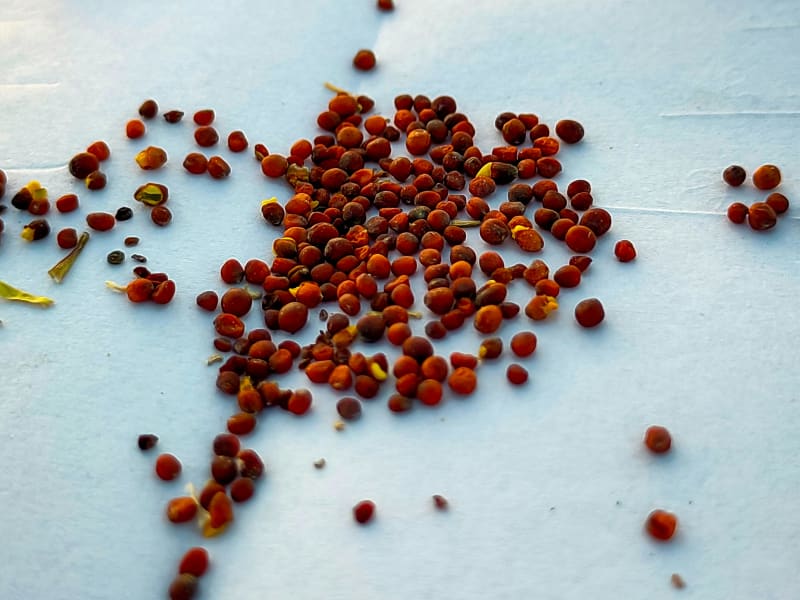
An example of a spice, which has potential health benefits, is mustard seeds. Their nutrition, applications, benefits, and safety are explained in simple terms in this manual.
April 11, 2026

Explore the fascinating world of DNA (deoxyribonucleic acid), the molecule that holds the blueprint for life. Learn about its structure, function, genes, and its vital role in health and inheritance, explained simply for Indian readers.
April 1, 2026

Discover effective, practical tips for recovering from the common cold faster. Learn about hydration, warm liquids, rest, and when to see a doctor, tailored for an Indian audience.
April 1, 2026