

Free Helpline
We are here to assist you.
Health Advisor
+91-8877772277Available 7 days a week
10:00 AM – 6:00 PM to support you with urgent concerns and guide you toward the right care.

We are here to assist you.
Health Advisor
+91-8877772277Available 7 days a week
10:00 AM – 6:00 PM to support you with urgent concerns and guide you toward the right care.
Discover the common causes of peeling skin on your feet, from athlete's foot and dry skin to eczema and allergic reactions. Learn effective treatments and prevention tips for healthier feet.

Peeling skin on your feet can be a common concern, often leading to discomfort and self-consciousness. While it might seem like a minor issue, understanding the underlying causes is key to finding the right treatment and preventing recurrence. From fungal infections like athlete's foot to simple dry skin or even underlying medical conditions, your feet's peeling skin tells a story. This guide will help you decipher that story, offering practical advice tailored for Indian readers. We'll explore common culprits, effective home remedies, when to seek professional help, and how to keep your feet healthy and smooth. Let's get your feet feeling their best again! Your feet are workhorses, carrying you through your day. It's no wonder they sometimes show signs of wear and tear, like peeling skin. This can be caused by a variety of factors, some simple and some more complex. As an experienced health writer, I understand the frustration and sometimes embarrassment peeling feet can cause. Many people in India, especially with our diverse climates and lifestyle habits, experience this. Whether you're worried about athlete's foot after visiting a local gym or dealing with dry skin from the changing seasons, this article provides clear, actionable steps. Common Culprits Behind Peeling Feet Let's dive into the most frequent reasons your feet might be shedding skin: 1. Athlete's Foot (Tinea Pedis) This is a very common fungal infection that thrives in warm, moist environments. It often starts between the toes but can spread to the soles and sides of the feet. Think of it as a tiny uninvited guest that loves sweaty socks and damp public places. Symptoms: Itching, stinging, burning, redness, blisters, and, of course, peeling skin, often starting between the toes. How You Get It: Direct contact with the fungus. This can happen by walking barefoot in public places like gym locker rooms, swimming pool decks, or communal showers. Sharing towels, socks, or even shoes with someone who has athlete's foot can also transmit the fungus. It can also develop if your feet are consistently sweaty due to non-breathable shoes or socks that don't wick away moisture. A Real-Life Scenario: Rohan visited his village for a festival and walked barefoot in the community bathing area. A few days later, he noticed itching between his toes and the skin started to peel. 2. Dry Skin (Xerosis) Sometimes, the simplest explanation is the correct one. Your feet might just be dry! This can lead to rough, scaly, and itchy skin that eventually peels. While some people naturally have drier skin, certain factors can worsen it. Causes and Worsening Factors: Low humidity (especially during dry spells or air-conditioned environments), harsh soaps, very hot baths or showers, dehydration, and certain medical conditions can contribute to dry feet. Symptoms: Dryness, flakiness, itching, and peeling. The skin might feel tight or rough. 3. Eczema (Dermatitis) Eczema is a chronic skin condition that causes inflammation, redness, and itching. While it can appear anywhere on the body, it can also affect the feet, leading to peeling skin. Types: Atopic dermatitis is common, but other forms like dyshidrotic eczema (causing small blisters that can lead to peeling) can also occur on the feet. Symptoms: Red, itchy rash, dry, cracked skin, and peeling. Flare-ups can occur periodically. Contagious?: No, eczema is not contagious. 4. Allergic Reactions or Contact Dermatitis Your feet might be reacting to something they've come into contact with. This could be a new pair of shoes, a laundry detergent used on your socks, or even certain lotions or powders. Symptoms: Redness, itching, swelling, blisters, and peeling in the area of contact. 5. Psoriasis Psoriasis is an autoimmune condition that causes the rapid buildup of skin cells. This buildup can lead to thick, red, scaly patches, and sometimes peeling, on the soles of the feet (known as plantar psoriasis). 6. Other Potential Causes Less common, but still possible, causes include certain autoimmune diseases, reactions to medications, or even nutritional deficiencies. If your peeling is severe, persistent, or accompanied by other concerning symptoms, it's important to consider these possibilities. When to Seek Medical Advice While many cases of peeling feet can be managed at home, there are times when you should consult a doctor or a dermatologist. Don't hesitate to seek professional help if: The peeling is severe or widespread. You experience intense pain or swelling. There are signs of infection, such as pus, increased redness, or warmth. Home treatments aren't improving the condition after a couple of weeks. You have diabetes or a compromised immune system, as foot problems can be more serious. You suspect an underlying medical condition. Diagnosis: How Doctors Figure It Out When you visit a doctor, they will likely start by asking about your symptoms, medical history, and lifestyle habits. They will examine your feet closely. Depending on the suspected cause, they might: Perform a Physical Exam: Looking for characteristic signs of fungal infections, eczema, or other skin conditions. Take a Skin Scraping: If a fungal infection is suspected, a small sample of the peeling skin might be taken and examined under a microscope or sent for lab testing to confirm the presence of fungus. Allergy Testing: If contact dermatitis is suspected, patch testing might be recommended to identify the allergen. Blood Tests: In rare cases, if an underlying systemic condition is suspected, blood tests may be ordered. Treatment Strategies for Peeling Feet The treatment for peeling feet directly depends on the cause. Here’s a breakdown: For Athlete's Foot: Over-the-Counter (OTC) Antifungals: Creams, sprays, or powders containing ingredients like clotrimazole, miconazole, or terbinafine are usually the first line of treatment. Apply as directed, even after symptoms disappear, to ensure the fungus is fully eradicated. Prescription Antifungals: If OTC options aren't effective, your doctor may prescribe stronger topical or oral antifungal medications. Hygiene Measures: Keep feet clean and dry. Change socks frequently, especially if your feet sweat a lot. Wear breathable footwear. For Dry Skin: Moisturize Regularly: Apply a thick, fragrance-free moisturizer several times a day, especially after bathing. Look for ingredients like urea, lactic acid, or ceramides. Lukewarm Baths: Avoid very hot water, which strips natural oils. Use mild, moisturizing soaps. Humidifier: Using a humidifier in your home can add moisture to the air, benefiting dry skin. Hydration: Drink plenty of water throughout the day. For Eczema or Psoriasis: Topical Steroids: Corticosteroid creams or ointments prescribed by your doctor can help reduce inflammation and itching. Moisturizers: Emollients help to repair the skin barrier. Other Prescription Medications: For severe cases, your doctor might consider other treatments. For Allergic Reactions: Identify and Avoid the Allergen: This is the most critical step. If a new shoe caused it, stop wearing them. If it's a product, discontinue use. Antihistamines: OTC or prescription antihistamines can help relieve itching. Topical Steroids: May be prescribed for inflammation. Preventing Peeling Feet: Your Action Plan Prevention is always better than cure. Here’s how to keep your feet happy and healthy: Practice Good Foot Hygiene: Wash your feet daily with mild soap and water, and dry them thoroughly, especially between the toes. Choose Breathable Footwear: Opt for shoes made of natural materials like leather or canvas. Ensure they fit well and aren't too tight. Wear Moisture-Wicking Socks: Cotton socks can trap moisture. Choose synthetic blends or wool socks designed to wick sweat away from your skin. Change them if they become damp. Alternate Your Shoes: Avoid wearing the same pair of shoes every day. Allow them to air out and dry completely between wears. Protect Your Feet in Public: Always wear sandals or flip-flops in public showers, locker rooms, and around swimming pools. Moisturize: Especially if you have a tendency towards dry skin, moisturize your feet regularly. Avoid Hot Water: Use lukewarm water for bathing and washing your feet. Stay Hydrated: Drink enough water to keep your skin healthy from the inside out. Frequently Asked Questions (FAQs) Q1: Can peeling feet be a sign of something serious? A: While often caused by simple issues like dry skin or athlete's foot, peeling feet can sometimes indicate an underlying health condition, especially if it's persistent, severe, or accompanied by other symptoms. Conditions like diabetes or autoimmune disorders can manifest with skin changes on the feet. It’s always best to consult a doctor if you’re concerned. Q2: How quickly can peeling feet heal? A: The healing time varies greatly depending on the cause and severity. Mild dry skin might improve within a few days with good moisturizing. Athlete's foot can take 1-2 weeks to clear with antifungal treatment, but it's important to complete the full course. More persistent conditions like eczema or psoriasis may require ongoing management. Q3: Are there any home remedies for peeling feet? A: For mild dry skin, soaking your feet in warm water with Epsom salts or a bit of olive oil, followed by a good moisturizer, can be soothing. However, for suspected infections like athlete's foot, it's best to use proven antifungal treatments. Always be cautious with home remedies and discontinue if irritation occurs. Peeling skin on your feet doesn't
In summary, timely diagnosis, evidence-based treatment, and prevention-focused care improve long-term health outcomes.
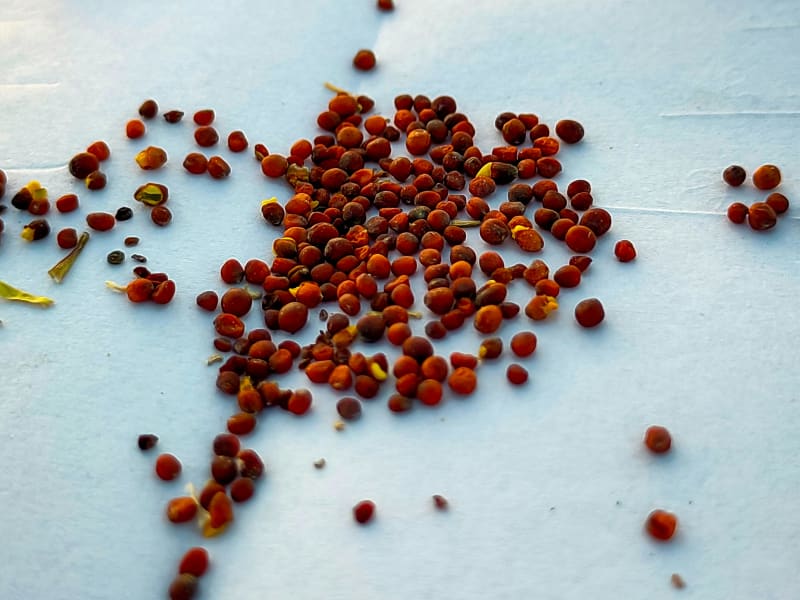
An example of a spice, which has potential health benefits, is mustard seeds. Their nutrition, applications, benefits, and safety are explained in simple terms in this manual.
April 11, 2026

Explore the fascinating world of DNA (deoxyribonucleic acid), the molecule that holds the blueprint for life. Learn about its structure, function, genes, and its vital role in health and inheritance, explained simply for Indian readers.
April 1, 2026

Discover effective, practical tips for recovering from the common cold faster. Learn about hydration, warm liquids, rest, and when to see a doctor, tailored for an Indian audience.
April 1, 2026