

Free Helpline
We are here to assist you.
Health Advisor
+91-8877772277Available 7 days a week
10:00 AM – 6:00 PM to support you with urgent concerns and guide you toward the right care.

We are here to assist you.
Health Advisor
+91-8877772277Available 7 days a week
10:00 AM – 6:00 PM to support you with urgent concerns and guide you toward the right care.
Discover the reasons behind vomiting blood after drinking alcohol, understand what the blood's appearance might mean, and learn when to seek urgent medical help. Get practical advice for prevention and management.

Encountering blood in your vomit after a round of drinks can be a frightening experience. It’s natural to feel alarmed, but it’s important to understand that this symptom, known as hematemesis, doesn't always signal a grave emergency. However, it absolutely warrants attention and a prompt conversation with a healthcare professional to pinpoint the exact cause. This guide aims to demystify the reasons behind vomiting blood after drinking alcohol, explain what the appearance of the blood might suggest, and outline the steps you should take to ensure your well-being. Alcohol, while often consumed in social settings, can have significant impacts on your digestive system. Even moderate consumption can irritate the delicate lining of your stomach and esophagus. When you drink excessively or binge, this irritation can escalate, leading to more serious issues. Understanding how alcohol affects your body is the first step in recognizing potential problems. Why Does Vomiting Blood Happen After Drinking? Several factors related to alcohol consumption can lead to vomiting blood. It’s not just about the quantity you drink, but also how your body reacts and the condition of your digestive tract. Let’s explore the common culprits: Irritation and Tears in the Throat and Esophagus When you drink too much, especially in a short period, you might experience forceful retching or vomiting. This intense physical action can cause irritation to the tissues in your throat and esophagus. Imagine it like a vigorous scrubbing action; it can create tiny tears in the lining. These small tears can bleed, leading to streaks of bright red blood in your vomit. Similarly, forceful coughing after drinking can also lead to such minor tears and bleeding. Your throat might feel raw and sore, a clear indicator of this irritation. Gastritis: Inflammation of the Stomach Lining Gastritis refers to the inflammation of the stomach lining. Alcohol is a well-known irritant and can directly inflame and even erode the stomach lining. When this happens, it can cause discomfort and bleeding. Symptoms of gastritis, besides vomiting blood, often include: A gnawing or burning pain in the upper abdomen. A feeling of unusual fullness, even after eating a small amount. Nausea and occasional vomiting (which may contain blood). While alcohol is a primary suspect, other factors can also contribute to or worsen gastritis. These include the regular use of nonsteroidal anti-inflammatory drugs (NSAIDs) like ibuprofen or naproxen, and certain infections or other underlying medical conditions. If you’re experiencing these symptoms, it’s crucial to discuss your alcohol intake and medication use with your doctor. Peptic Ulcers: Sores in the Digestive Tract The same factors that cause gastritis, particularly regular and heavy alcohol consumption, can also lead to the formation of peptic ulcers. These are painful sores that develop in the lining of the stomach, the lower part of the esophagus, or the upper section of the small intestine (the duodenum). Alcohol can irritate these existing sores or contribute to their formation. Bleeding from an ulcer can range from minor to severe. In some cases, an ulcer can even perforate the gut wall, which is a medical emergency requiring immediate attention. Symptoms associated with peptic ulcers often include: A burning or gnawing pain in the central or upper part of your stomach. Pain that tends to worsen when your stomach is empty and may feel temporarily relieved by eating or taking antacids. Bloating, and sometimes vomiting blood that may look like coffee grounds. It’s important to remember that peptic ulcers are treatable, but prompt diagnosis and management are key to preventing complications. Esophageal Varices: Swollen Blood Vessels Esophageal varices are abnormally enlarged blood vessels, typically found in the lower part of the esophagus. They usually develop as a complication of severe liver disease, such as cirrhosis, where scar tissue or a blood clot in the liver obstructs blood flow. This blockage causes blood to back up and pool in the veins of the esophagus, making them swell. Heavy alcohol consumption is a leading cause of liver disease and, consequently, a significant risk factor for developing esophageal varices. These swollen vessels are fragile and can rupture or bleed easily, especially with forceful vomiting or straining. Vomiting a large amount of blood, or blood that looks bright red, can be a sign of bleeding varices, which is a serious and potentially life-threatening condition requiring immediate medical intervention. Mallory-Weiss Tear A Mallory-Weiss tear is a specific type of tear that occurs in the mucous membrane where the esophagus meets the stomach. This typically happens due to a sudden increase in abdominal pressure, often caused by forceful or prolonged vomiting, retching, or even severe coughing. Alcohol consumption can contribute to this by triggering vomiting. While often not as severe as bleeding from varices or ulcers, a Mallory-Weiss tear can still cause significant bleeding, leading to vomiting blood. The blood might be bright red, especially if the tear is fresh. Alcohol Poisoning In cases of severe alcohol intoxication, known as alcohol poisoning, the body’s systems can be overwhelmed. This can lead to severe nausea and vomiting, which, as discussed, can cause irritation, tears, or aggravate existing conditions like gastritis or ulcers, resulting in vomiting blood. Alcohol poisoning is a medical emergency in itself, characterized by confusion, vomiting, seizures, slow breathing, and loss of consciousness. What Does the Blood in Your Vomit Mean? The appearance of the blood can offer clues, though it’s not a substitute for professional diagnosis: Bright Red Blood: A few streaks of bright red blood might indicate a recent minor injury, such as a small tear in the throat from retching or a nosebleed that has drained down the back of your throat. However, a large amount of bright red blood can signify more serious, active bleeding, possibly from esophageal varices or a significant ulcer. Dark Red or Brown Blood: Blood that appears dark red or has a brownish hue, often described as looking like coffee grounds, usually means the blood has been in your stomach for some time and has been partially digested by stomach acid. This is commonly associated with bleeding from gastritis or peptic ulcers. When is Vomiting Blood an Emergency? While not every instance of vomiting blood after drinking is a dire emergency, certain signs indicate you need immediate medical attention. Call your local emergency number or go to the nearest emergency room right away if you experience any of the following: Vomiting a large amount of blood. Feeling dizzy or lightheaded, especially when standing up. Difficulty breathing or shortness of breath. Severe abdominal pain. Black, tarry stools (melena), which indicate digested blood. Fainting or loss of consciousness. Rapid heartbeat. These symptoms suggest significant blood loss or a serious underlying condition that requires urgent care. What You Should Do Next If you vomit blood after drinking, even if it seems like a small amount, here’s a practical approach: Seek Medical Advice Promptly: Even if you don’t have emergency symptoms, schedule an appointment with your doctor or visit a local clinic as soon as possible. It’s essential to get a proper diagnosis to rule out serious conditions. Stop Drinking Alcohol: This is the most critical step. Abstain from alcohol completely until you have consulted a healthcare professional and understand the cause of the bleeding. Continued drinking can worsen the condition and lead to further complications. Stay Hydrated (Carefully): If you can keep fluids down without vomiting, sip small amounts of water or clear liquids. Avoid acidic or carbonated drinks. Avoid Certain Medications: Refrain from taking NSAIDs (like aspirin, ibuprofen, naproxen) until your doctor advises otherwise, as they can irritate the stomach lining and worsen bleeding. Follow Medical Advice: Adhere strictly to the treatment plan prescribed by your doctor. This might involve medication, dietary changes, or further diagnostic tests. A Real-Life Scenario: Ravi, a 45-year-old software engineer, had a few too many drinks at a friend’s party. The next morning, he woke up feeling nauseous and vomited. To his shock, he saw streaks of red blood in the vomit. He felt a bit of a sore throat but no severe pain. Although scared, he remembered his doctor advising him to avoid self-diagnosis. He immediately called his primary care physician, who advised him to go for an immediate check-up. The doctor suspected a Mallory-Weiss tear due to the retching and advised Ravi to avoid alcohol and NSAIDs for a week. Diagnosis Diagnosing the cause of vomiting blood involves a thorough medical history, physical examination, and possibly several tests: Endoscopy (Upper GI Endoscopy): This is a primary diagnostic tool where a thin, flexible tube with a camera (endoscope) is inserted down your throat to visualize the esophagus, stomach, and duodenum. It allows the doctor to directly see any inflammation, ulcers, tears, or varices and can sometimes be used to stop bleeding. Blood Tests: These can help assess for anemia (low red blood cell count due to blood loss), liver function, and infection. Imaging Tests: While less common for initial diagnosis, CT scans or other imaging might be used in specific situations to assess for complications or other underlying issues. Prevention Preventing
In summary, timely diagnosis, evidence-based treatment, and prevention-focused care improve long-term health outcomes.
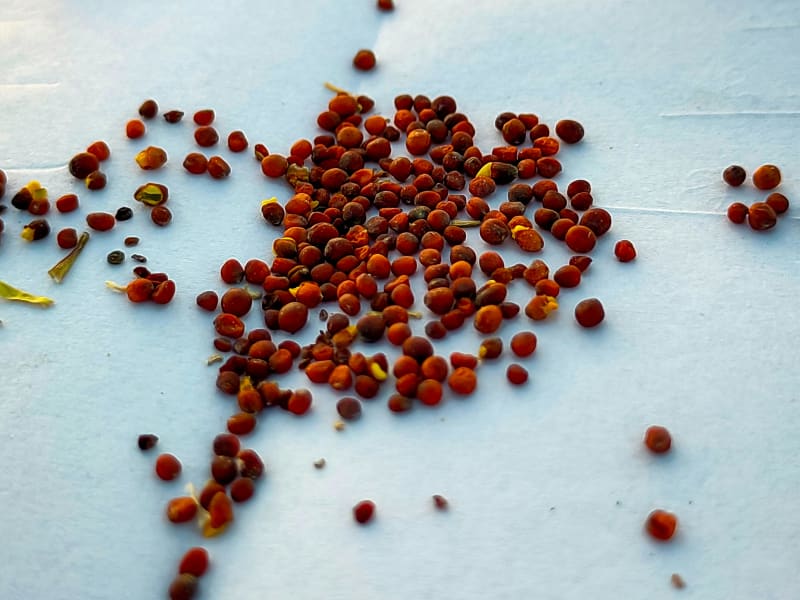
An example of a spice, which has potential health benefits, is mustard seeds. Their nutrition, applications, benefits, and safety are explained in simple terms in this manual.
April 11, 2026

Explore the fascinating world of DNA (deoxyribonucleic acid), the molecule that holds the blueprint for life. Learn about its structure, function, genes, and its vital role in health and inheritance, explained simply for Indian readers.
April 1, 2026

Discover effective, practical tips for recovering from the common cold faster. Learn about hydration, warm liquids, rest, and when to see a doctor, tailored for an Indian audience.
April 1, 2026